مقدمه
فردا صبح از خواب بیدار میشوید و پیش از اینکه به محل کار بروید، آواتار دیجیتال شما در یک جلسه مهم بینالمللی شرکت کرده، به سوالات پاسخ داده و حتی قراردادی را به نام شما امضا کرده است. یا تصور کنید فرزند شما در یک کلاس درس مجازی با معلم هوش مصنوعی تعامل دارد که نه تنها صدا و چهره انسانی دارد، بلکه احساسات او را تشخیص میدهد و روش تدریس خود را با شخصیت او تطبیق میدهد. این دیگر علمتخیل نیست؛ این واقعیتی است که در حال شکلگیری است.
در دنیایی که
هوش مصنوعی با سرعت نور در حال پیشرفت است، مرزهای میان هویت واقعی و دیجیتال ما بهطور فزایندهای محو میشود.
آواتارهای هوشمند—نمایندگان دیجیتال ما که با قدرت یادگیری ماشین و پردازش زبان طبیعی تقویت شدهاند—در حال تبدیل شدن به بخشی جداییناپذیر از زندگی روزمره ما هستند. اما این تحول دیجیتالی چه تأثیری بر
هویت انسانی ما خواهد داشت؟ آیا میتوانیم همچنان "خود" باشیم وقتی نسخههای دیجیتال ما در فضای مجازی زندگی مستقلی دارند؟
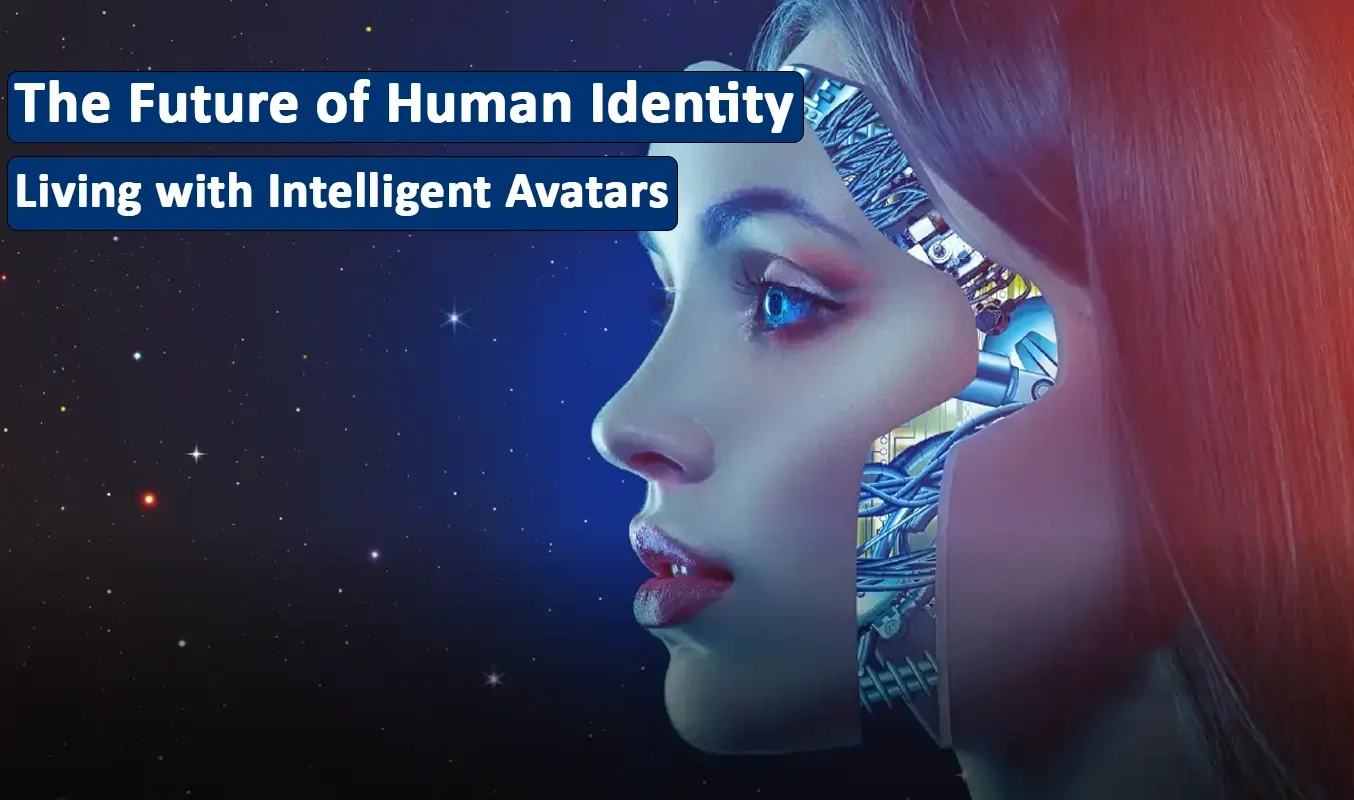
این مقاله به کاوش در یکی از عمیقترین پرسشهای عصر دیجیتال میپردازد: آینده هویت انسان در دنیایی که پر از آواتارهای هوشمند، شبیهسازیهای دیجیتال و نمایندگان مصنوعی است. از فناوریهای پیشرفتهای که این تحول را ممکن میسازند تا چالشهای اخلاقی و روانشناختی که با آن روبرو هستیم، سفری جامع در این موضوع خواهیم داشت.
آواتارهای هوشمند: فراتر از یک تصویر پروفایل
تعریف و تکامل
آواتار در ابتدا صرفاً یک تصویر نمایشی بود که در بازیها و شبکههای اجتماعی از آن استفاده میکردیم. اما امروز، آواتارهای هوشمند چیزی بسیار فراتر هستند. این موجودات دیجیتال میتوانند:
- بهصورت خودکار با دیگران تعامل کنند و مکالمات پیچیده انجام دهند
- یاد بگیرند و رفتار خود را بر اساس تجربیات تطبیق دهند
- احساسات را تشخیص دهند و واکنشهای مناسب نشان دهند
- تصمیمگیری کنند بر اساس اولویتها و ارزشهای شما
- در چندین مکان همزمان حضور داشته باشند و فعالیتهای متعدد انجام دهند
فناوریهای پشت آواتارهای هوشمند
این تحول شگفتانگیز بدون پیشرفتهای چشمگیر در حوزه
یادگیری عمیق و
پردازش زبان طبیعی ممکن نمیشد. چندین فناوری کلیدی در پس این آواتارها قرار دارند:
1. مدلهای زبانی بزرگ (LLM):
ChatGPT،
Claude و
Gemini به آواتارها توانایی فهم و تولید گفتار انسانی را میدهند. این مدلها میتوانند متن را درک کنند، پاسخهای منطقی تولید کنند و حتی سبک گفتاری شما را تقلید کنند.
3. هوش مصنوعی احساسی (Emotional AI):
هوش مصنوعی احساسی به آواتارها امکان میدهد احساسات انسانی را از طریق لحن صدا، حرکات صورت و حتی زبان بدن تشخیص دهند و به آنها پاسخ مناسب دهند.
4. یادگیری تقویتی و تطبیقپذیری: با استفاده از
یادگیری تقویتی، آواتارها میتوانند از تجربیات خود یاد بگیرند و رفتار خود را بهبود بخشند، مانند یک انسان واقعی که از اشتباهات خود درس میگیرد.
کاربردهای عملی: آواتارهای هوشمند در زندگی واقعی
1. آواتارهای شغلی و حرفهای
یکی از شگفتانگیزترین کاربردهای آواتارهای هوشمند در محیطهای کاری است. تصور کنید:
مثال عملی: یک مدیر اجرایی بینالمللی که باید همزمان در جلسات مختلف در آسیا، اروپا و آمریکا شرکت کند. آواتار هوشمند او میتواند در دو جلسه شرکت کند، به سوالات پاسخ دهد و حتی تصمیمات اولیه بگیرد، در حالی که خود فرد در جلسه سوم حضور فیزیکی دارد. این آواتار با دسترسی به تمام اطلاعات شرکت، تاریخچه تصمیمات و سبک مدیریتی شخص، میتواند تا حد زیادی مانند فرد واقعی عمل کند.
شرکتهایی مانند Microsoft در حال توسعه فناوری "Digital Twin" برای کارمندان هستند که این امکان را فراهم میکند افراد در چندین جلسه همزمان حضور داشته باشند بدون اینکه کیفیت تعامل کاهش یابد.
2. آواتارهای آموزشی شخصیسازیشده
در حوزه
آموزش، آواتارهای هوشمند در حال ایجاد تحول عمیقی هستند:
مثال عملی: دانشآموزی که در ریاضیات مشکل دارد، یک معلم آواتار شخصی دارد که نه تنها مفاهیم را توضیح میدهد، بلکه سطح استرس دانشآموز را از روی لحن صدا و حالت چهره تشخیص میدهد. اگر ببیند دانشآموز ناامید میشود، سبک تدریس را تغییر میدهد، مثالهای سادهتر میزند یا حتی با شوخی فضا را سبکتر میکند.
این آواتارها میتوانند برای هر دانشآموز یک برنامه آموزشی منحصربهفرد طراحی کنند که با سرعت یادگیری، علایق و چالشهای خاص او هماهنگ است.
3. آواتارهای بهداشت و درمان
مثال عملی: یک بیمار مبتلا به افسردگی که تمایلی به مراجعه به روانپزشک ندارد، میتواند با یک آواتار مشاور هوشمند صحبت کند که 24 ساعته در دسترس است. این آواتار نه تنها قضاوت نمیکند، بلکه از طریق تحلیل الگوهای گفتاری و احساسی، میتواند علائم بحران را تشخیص دهد و در صورت لزوم، بیمار را به یک روانپزشک انسانی ارجاع دهد.
یا تصور کنید پزشک متخصصی که میتواند از طریق آواتار خود همزمان چندین بیمار را در نقاط مختلف دنیا ویزیت کند، تشخیص اولیه بدهد و درمان تجویز کند.
4. آواتارهای اجتماعی و سرگرمی
مثال عملی: شما در یک کنسرت مجازی شرکت میکنید. اما آواتار شما نه فقط یک مدل سهبعدی ساده است، بلکه حرکات واقعی شما را تکرار میکند، با دوستان تعامل دارد و حتی میتواند بر اساس ترجیحات موسیقایی شما، در کنسرتهای مختلف همزمان شرکت کند و بهترین لحظات را برای شما ضبط کند.
یا در
بازیهای ویدیویی، آواتار شما میتواند از شما یاد بگیرد و حتی زمانی که شما آنلاین نیستید، به بازی ادامه دهد، منابع جمعآوری کند و پیشرفت کند.
جدول مقایسه: انسان واقعی در مقابل آواتار هوشمند
| ویژگی | انسان واقعی | آواتار هوشمند |
| حضور همزمان | فقط یک مکان | چندین مکان بهطور همزمان |
| در دسترس بودن | محدود به ساعات بیداری | 24/7 بدون وقفه |
| خستگی | نیاز به استراحت | هیچ محدودیتی |
| حافظه | محدود و قابل فراموشی | کامل و دائمی |
| احساسات | واقعی و پیچیده | شبیهسازی شده (قابل پیشبینی) |
| خلاقیت | منحصربهفرد و غیرقابل پیشبینی | مبتنی بر الگوهای یادگرفته |
| سرعت پردازش | محدود | بسیار سریع |
| تعامل فیزیکی | کامل | محدود به دنیای دیجیتال |
بحران هویت: من کیستم در دنیای آواتارها؟
تعریف جدید از "خود"
وقتی آواتار هوشمند شما میتواند مانند شما فکر کند، تصمیم بگیرد و حتی احساسات را تجربه کند (یا حداقل شبیهسازی کند)، سوالات عمیق فلسفی مطرح میشود:
آیا آواتار من بخشی از "من" است یا یک موجود جداگانه؟
برخی فیلسوفان معاصر معتقدند که هویت ما دیگر به یک بدن فیزیکی محدود نیست. در واقع، ما در حال تبدیل شدن به "هویتهای توزیعشده" هستیم—موجوداتی که در چندین بستر همزمان وجود دارند.
چالش احساس مسئولیت
مثال فرضی اما واقعگرایانه: آواتار شغلی شما در یک جلسه کاری تصمیمی میگیرد که منجر به ضرر مالی شرکت میشود. چه کسی مسئول است؟ شما که آواتار را برنامهریزی کردهاید؟ آواتار که تصمیم گرفته؟ یا شرکت سازنده فناوری آواتار؟
تجزیه هویت چندگانه
برخی روانشناسان نگران "تجزیه هویت" هستند—حالتی که فرد نمیتواند بین خود واقعی و نسخههای دیجیتال خود تمایز قائل شود. تصور کنید:
- آواتار اجتماعی شما در متاورس شخصیت برونگرا و اجتماعی دارد
- آواتار شغلی شما جدی و رسمی است
- آواتار شخصی شما صمیمی و خودمانی است
کدام یک واقعی است؟ یا شاید همه آنها جنبههای مختلف یک هویت چندوجهی باشند؟
چالشهای فنی و امنیتی
1. حریم خصوصی و امنیت دادهها
برای اینکه آواتار شما واقعاً مانند شما باشد، باید به اطلاعات عمیق شخصی شما دسترسی داشته باشد:
- تاریخچه کامل مکالمات و ارتباطات
- اطلاعات مالی و بانکی
- ترجیحات، علایق و نظرات شخصی
- حتی الگوهای احساسی و روانشناختی
این دادهها اگر در دستان اشتباهی قرار گیرند، میتوانند منجر به سرقت هویت پیشرفته شوند. فرد مهاجم میتواند یک آواتار جعلی از شما بسازد که بهقدری قانعکننده است که حتی دوستان و خانواده شما نتوانند آن را از شما تشخیص دهند.
2. دستکاری و دیپفیک پیشرفته
سناریوی خطرناک: یک سیاستمدار که آواتار هوشمندی برای تعامل با شهروندان دارد. مهاجمان یک نسخه جعلی از این آواتار میسازند که بیانیههای جنجالی میدهد. چگونه میتوان تشخیص داد کدام واقعی است؟
3. وابستگی فناوری و شکنندگی سیستم
تصور کنید زندگی شما بهشدت به آواتار هوشمند خود وابسته شده است. او جلسات شما را مدیریت میکند، ارتباطات را برقرار میکند و حتی تصمیمات مالی میگیرد. حالا تصور کنید یک حمله سایبری یا خرابی فنی این سیستم را از کار بیندازد. شما ناگهان بخش عمدهای از هویت و توانایی خود را از دست میدهید.
فرصتهای شگفتانگیز: نیمه پر لیوان
با وجود چالشها، آواتارهای هوشمند فرصتهای بینظیری نیز ارائه میدهند:
1. دموکراتیزه کردن دسترسی به تخصص
مثال الهامبخش: یک کشاورز در یک روستای دورافتاده میتواند از یک آواتار کشاورزی هوشمند مشاوره بگیرد که دانش هزاران متخصص کشاورزی را در خود دارد. این آواتار میتواند خاک را تحلیل کند، آبوهوا را پیشبینی کند و بهترین زمان کاشت و برداشت را پیشنهاد دهد—خدماتی که قبلاً فقط برای کشاورزان ثروتمند در دسترس بود.
در حوزه
کشاورزی هوشمند، این آواتارها میتوانند تفاوت بین موفقیت و شکست محصول باشند.
2. غلبه بر محدودیتهای فیزیکی
برای افراد دارای معلولیت: آواتارهای هوشمند میتوانند دنیای کاملاً جدیدی از امکانات را باز کنند. فردی که به دلیل معلولیت جسمی نمیتواند در جلسات حضور یابد، میتواند از طریق آواتار خود نه تنها شرکت کند، بلکه بهطور فعال در بحثها مشارکت داشته باشد.
3. حفظ میراث و خاطرات
مثال تأثیرگذار: تصور کنید پس از فوت یک عزیز، بتوانید با نسخه دیجیتال او صحبت کنید—نه یک ربات ساده، بلکه آواتاری که خاطرات، حکمت و حتی لحن صدای او را حفظ کرده است.
برخی شرکتها در حال توسعه "آواتارهای میراثی" هستند که به افراد امکان میدهد بخشی از خود را برای نسلهای آینده حفظ کنند.
4. گسترش ظرفیت انسانی
در نهایت، آواتارهای هوشمند میتوانند تواناییهای انسانی را چند برابر کنند. شما میتوانید در چندین پروژه همزمان کار کنید، زبانهای جدید یاد بگیرید (آواتار شما میتواند برای شما تمرین کند)، و حتی در چندین حوزه تخصصی همزمان فعالیت داشته باشید.
راهکارهای مدیریت هویت در عصر آواتارها
1. قوانین و مقررات جدید
دولتها و سازمانهای بینالمللی باید چارچوبهای قانونی جدیدی برای تعریف و حفاظت از هویت دیجیتال ایجاد کنند:
- حقوق آواتار: آیا آواتار شما دارای حقوق قانونی است؟
- مسئولیت اعمال: چه کسی پاسخگوی اعمال آواتارهاست؟
- مالکیت داده: چه کسی مالک اطلاعات و تجربیات آواتار است؟
کشورهایی مانند استونی در حال پیشگامی در "شهروندی دیجیتال" هستند که میتواند مدلی برای حقوق آواتارها باشد.
2. سواد دیجیتال و آگاهی عمومی
مهم است که افراد بفهمند:
- آواتارها چگونه کار میکنند
- چه خطراتی دارند
- چگونه میتوان از آنها بهطور مسئولانه استفاده کرد
3. فناوریهای احراز هویت پیشرفته
برای جلوگیری از سرقت هویت و سوء استفاده، نیاز به:
- احراز هویت چندعاملی پیشرفته: استفاده از بیومتریک، رابط مغز-کامپیوتر (BCI) و دیگر روشهای پیشرفته
- بلاکچین برای هویت: استفاده از بلاکچین برای ایجاد یک سیستم هویت غیرمتمرکز و تقلبناپذیر
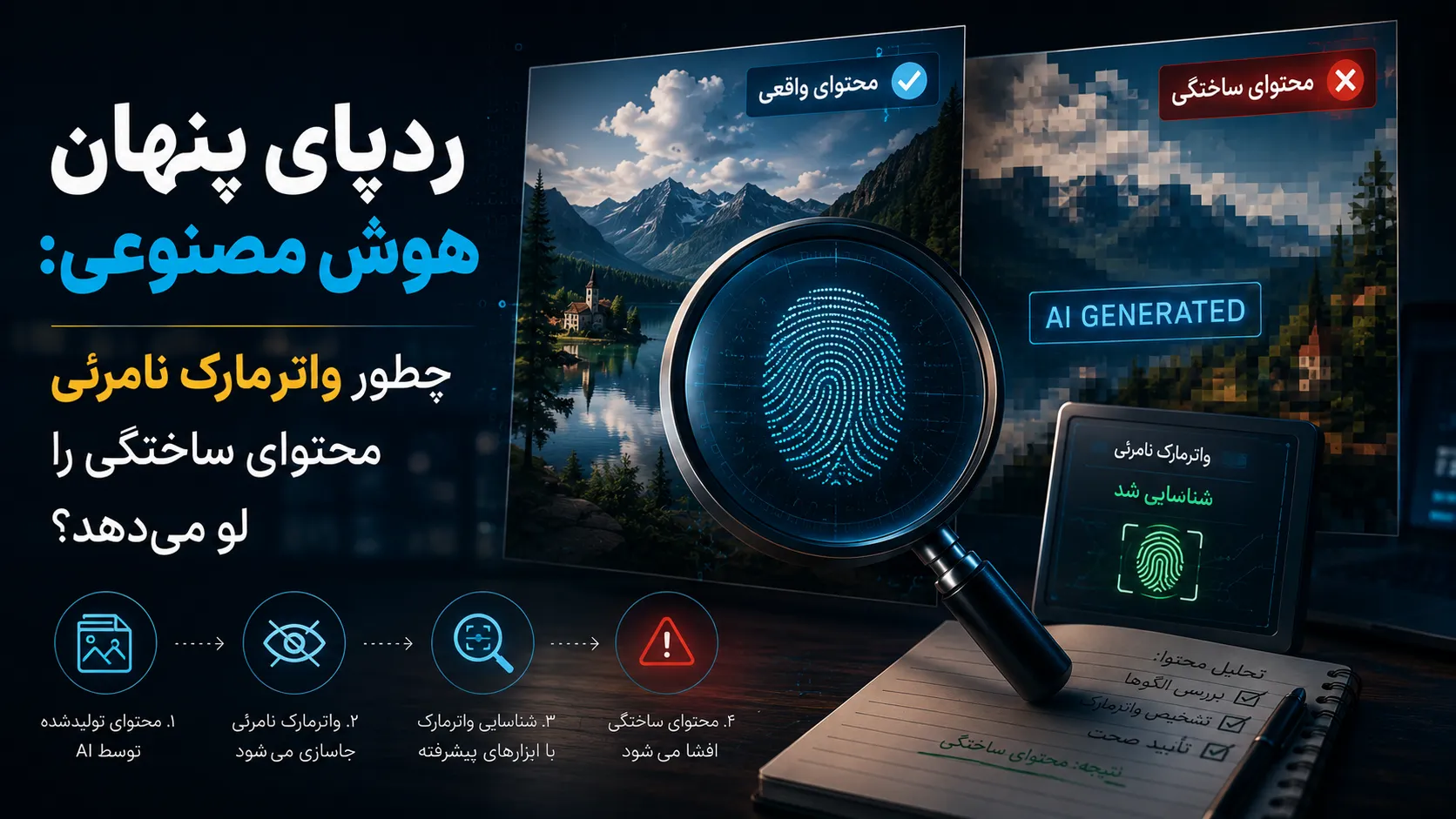
- علامتگذاری دیجیتال: ایجاد "واترمارکهای هویتی" که نشان دهد یک آواتار معتبر است
4. اصول اخلاقی و خودتنظیمی
شرکتهای فناوری باید استانداردهای اخلاقی را رعایت کنند:
- شفافیت در نحوه عملکرد آواتارها
- حق کنترل کامل کاربر بر آواتار خود
- محدودیت در جمعآوری و استفاده از دادهها
- امکان حذف کامل آواتار و دادههای مرتبط
تحول روانشناختی: زندگی با "خودهای متعدد"
پذیرش هویت سیال
روانشناسان پیشنهاد میکنند که به جای مقاومت در برابر این تحول، باید یاد بگیریم با "هویت سیال" زندگی کنیم—پذیرش اینکه ما موجودات چندبعدی هستیم که در بسترهای مختلف، جنبههای مختلف شخصیت خود را نشان میدهیم.
حفظ هسته هویت
با این حال، مهم است که یک "هسته هویتی" محکم حفظ کنیم—ارزشها، باورها و اصولی که فراتر از تمام آواتارها و نمایندگیهای دیجیتال ما باقی میمانند. این هسته است که ما را "ما" نگه میدارد.
تعادل دیجیتال-فیزیکی
یکی از چالشهای کلیدی، حفظ تعادل سالم بین زندگی دیجیتال و فیزیکی است. برخی کارشناسان پیشنهاد میکنند:
- زمانهای "قطع ارتباط": دورههایی که در آنها از تمام آواتارها و فناوریهای دیجیتال دور میشویم
- تجربیات فیزیکی عمیق: فعالیتهایی که نمیتوان آنها را دیجیتالی کرد—مانند طبیعتگردی، تماس فیزیکی با عزیزان، تجربیات حسی
- خودآگاهی افزایشیافته: تمرینهای مدیتیشن و ذهنآگاهی برای حفظ حس "خود" واقعی
نگاهی به آینده: دهه آینده چه خواهد بود؟
1. آواتارهای خودمختار پیشرفته
- خودشان را بهبود دهند: آواتاری که میتواند از تجربیات خود یاد بگیرد و بدون دخالت شما رشد کند
- با آواتارهای دیگر تعامل کنند: شبکههای آواتاری که میتوانند به نمایندگی ما با یکدیگر معامله کنند، همکاری کنند یا رقابت کنند
- تصمیمات پیچیده بگیرند: با استفاده از مدلهای استدلالی پیشرفته، آواتارها میتوانند تحلیلهای عمیق انجام دهند
2. ادغام با واقعیت افزوده و عینکهای هوشمند
با پیشرفت عینکهای واقعیت افزوده (مانند Apple Vision Pro و Meta Quest)، آواتارها میتوانند در دنیای فیزیکی ما حضور یابند. تصور کنید در حال قدم زدن در خیابان هستید و آواتار دستیار شخصی شما در کنار شما راه میرود و اطلاعات را به شما میدهد.
3. دوقلوهای دیجیتال (Digital Twins) کامل
دوقلوهای دیجیتال فراتر از آواتارهای ساده خواهند رفت—نسخههای کامل دیجیتال از ما که نه تنها رفتار، بلکه حتی فرآیندهای شناختی و احساسی ما را شبیهسازی میکنند.
4. ظهور AGI و تأثیر آن بر آواتارها
با نزدیک شدن به
هوش مصنوعی عمومی (AGI)، آواتارهای ما ممکن است به سطحی از هوش برسند که از بسیاری از انسانها فراتر رود. این
سوالات اخلاقی عمیقتری مطرح میکند: آیا این آواتارها هنوز "ما" هستند یا موجودات جدیدی شدهاند؟
نتیجهگیری: انتخاب آینده خود
آینده هویت انسان در عصر آواتارهای هوشمند حتمی نیست—انتخابی است که امروز میکنیم. ما میتوانیم این فناوری را طوری شکل دهیم که انسانیت ما را تقویت کند، نه اینکه آن را تضعیف کند.
کلید موفقیت در این عصر جدید، تعادل است:
✅ بهرهبرداری از قدرت آواتارهای هوشمند برای گسترش تواناییهای ما
✅ حفظ ارتباط عمیق با خود واقعی و ارزشهای بنیادین
✅ ایجاد چارچوبهای اخلاقی و قانونی که از حقوق ما محافظت کنند
✅ آموزش نسل آینده برای زندگی در این دنیای دوگانه
سوال نهایی: وقتی آواتار هوشمند شما میتواند بیشتر از شما کار کند، سریعتر یاد بگیرد و در بیشتر مکانها حضور داشته باشد، چه چیزی باقی میماند که "شما" را "شما" میکند؟
شاید پاسخ در چیزهایی باشد که هیچ آواتاری نمیتواند تکرار کند:
- احساسات واقعی و عمیق که از تجربیات زیسته ناشی میشوند
- خلاقیت ناخودآگاه که از اعماق ذهن انسانی میجوشد
- ارتباطات معنوی با دیگران که فراتر از داده و الگوریتم است
- تجربه زیسته بودن—چیزی که فیلسوفان آن را "qualia" مینامند
در نهایت، آواتارهای هوشمند ابزاری هستند—ابزاری قدرتمند و شگفتانگیز—اما هویت واقعی ما در انسان بودن ماست، با تمام پیچیدگیها، تناقضات، احساسات و تجربیات منحصربهفردمان.
آینده هویت انسان در این دنیای جدید به دست خود ماست. انتخاب با ماست که بخواهیم چه باشیم—انسانهایی با ابزارهای دیجیتال قدرتمند، یا نسخههای کمرنگشدهای از آواتارهای خودمان.

 تأثیرات اجتماعی و آیندهپژوهی
 تأثیرات اجتماعی و آیندهپژوهی
 تأثیرات اجتماعی و آیندهپژوهی
 تأثیرات اجتماعی و آیندهپژوهی
 تأثیرات اجتماعی و آیندهپژوهی
 تأثیرات اجتماعی و آیندهپژوهی