Introduction
Imagine you're a teenager trying to decide what to study for your future, or an adult who's always dreamed of learning to code but was intimidated by its complexity. Now you hear that AI can build an entire app from a single sentence. The question that immediately forms in your mind is:
so what's the point of spending time learning to code? In our previous article,
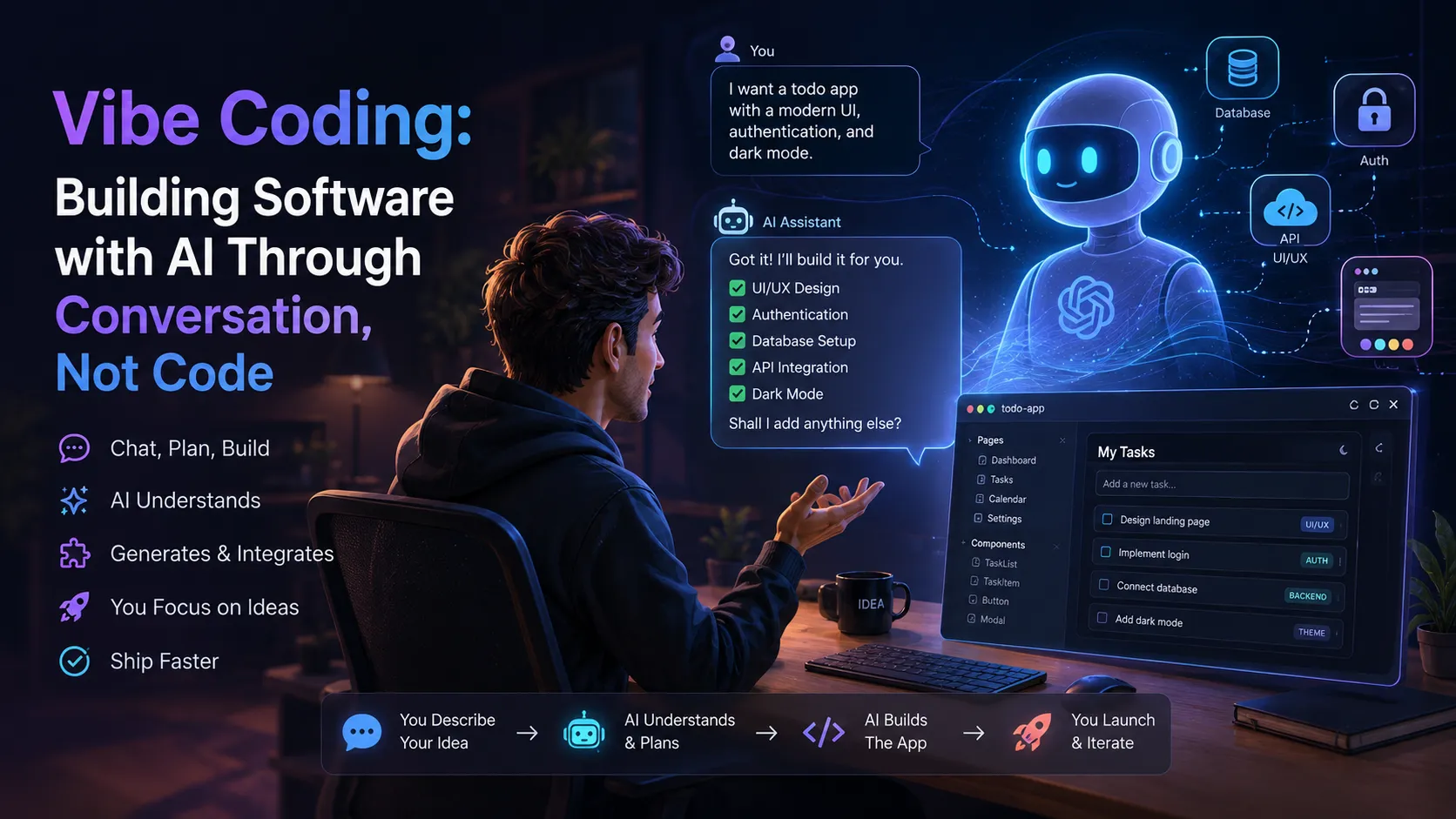
Vibe Coding: Building Software with AI Through Conversation, we introduced how people with zero technical knowledge can now build real software. This article goes deeper and answers more honestly: does Vibe Coding truly replace traditional programming, or are these two paths designed for entirely different purposes?
Two Different Ways of "Building Software"
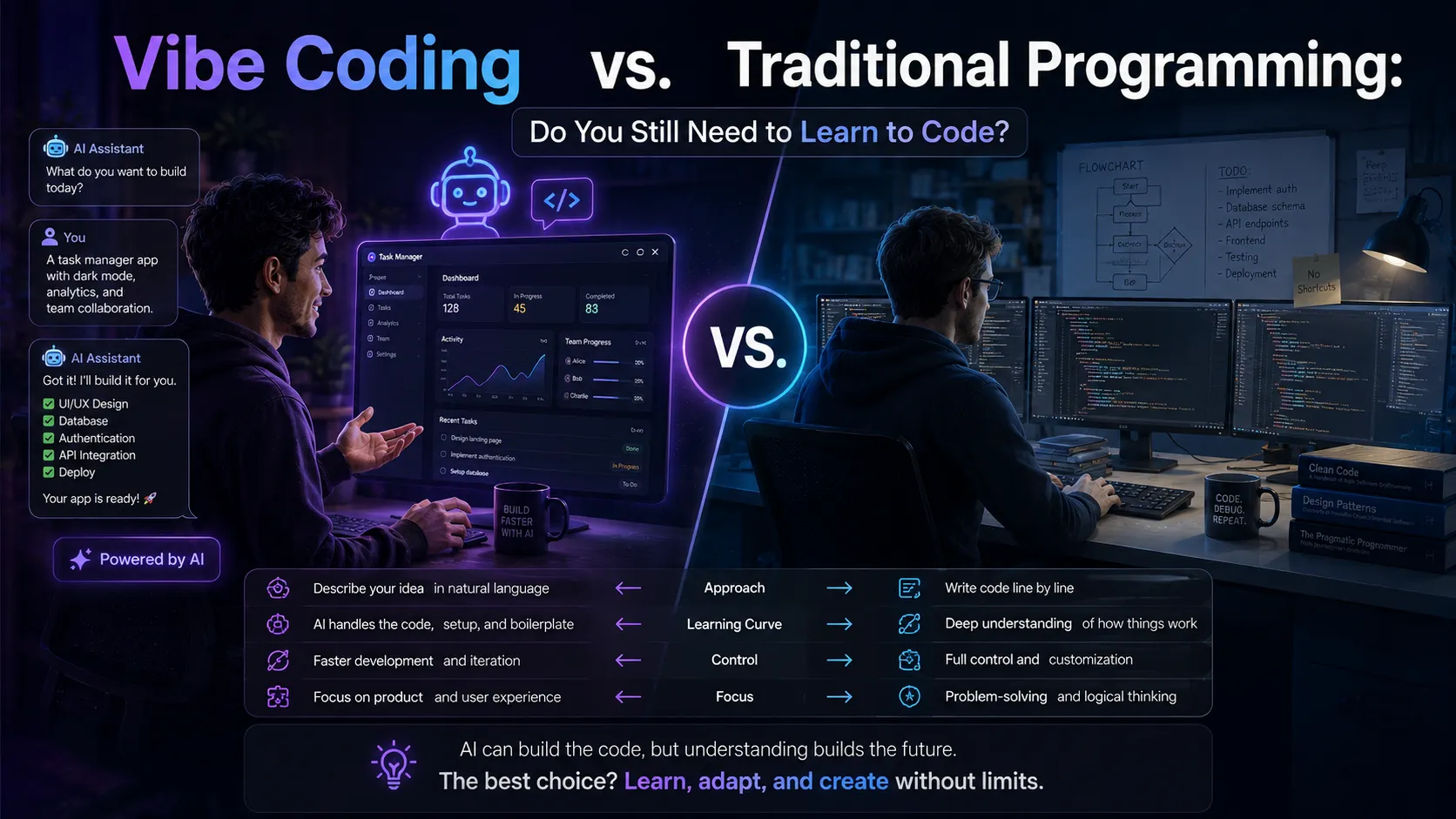
To answer this question, we first need to accept that Vibe Coding and traditional programming represent two different philosophies, not simply competing tools.
In traditional programming, you know exactly what every line of code does. You have full control over the program's behavior, performance, data security, and scalability. That knowledge is the product of years of disciplined learning and experience.
In Vibe Coding, you describe the end goal and trust the AI to handle the implementation details in the best possible way. This approach gives you incredible speed, but it takes away full transparency into "how" things actually work — much like the difference between driving a car manually versus sitting in a self-driving one: you reach the destination, but you don't know exactly what the engine is doing at every moment.
A Lesson From Tech History: Have We Been Here Before?
If you think this concern ("do we still need to learn to code?") is being raised for the first time, technology history has actually been through this exact experience more than once.
In the early decades of computing, programmers worked directly with assembly language and machine code, writing every instruction with extreme care and complexity. When high-level languages like C, and later Python, emerged, many warned that "no one will truly understand programming anymore" and feared this simplicity would produce a generation of shallow developers. But the outcome was different: the number of programmers multiplied, the software industry exploded in growth, and those who still understood assembly and low-level systems remained extremely valuable for specialized work like performance optimization or low-level security.
Vibe Coding can be seen as the next generation of this same trend, not an entirely unprecedented revolution. Every time a new layer of abstraction is added to programming — from assembly to high-level languages, from manual coding to frameworks, and now from frameworks to natural language — the circle of people who can build software grows wider, but the need for deep expertise at the lower layers never fully disappears; it just changes role.
A Detailed Comparison: When Does Each Approach Win?
| Criteria | Traditional Programming Wins | Vibe Coding Wins |
| Security-sensitive projects | Banking, healthcare, sensitive user data | — |
| Rapid prototyping and idea testing | — | Building an MVP in hours |
| Large-scale, complex projects | Enterprise architecture with thousands of users | — |
| Personal tools and small business apps | — | Simple apps, small storefront sites |
| Long-term maintenance and growth | Projects meant to live for years | — |
| Speed to market | — | The top priority |
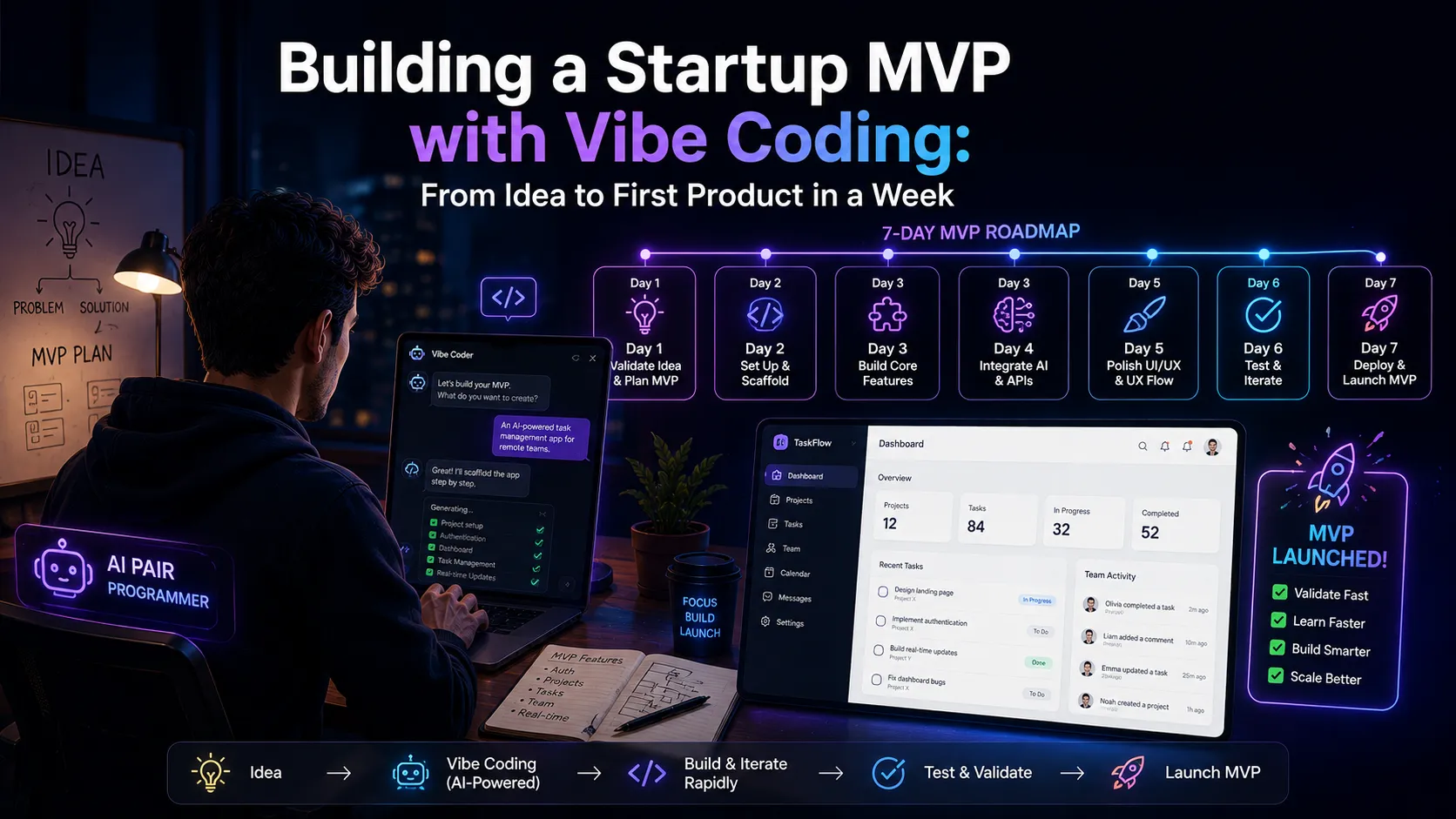
As the table shows, these two approaches aren't competitors — they're complementary. Many professional teams today combine both: they use Vibe Coding for rapid prototyping and idea validation, then carefully build or review the sensitive parts with traditional programming.
Why Understanding "How Code Works" Still Matters
Here's the core point of this article: even if you never intend to become a professional developer, having a minimum level of technical understanding gives you several serious advantages that Vibe Coding alone cannot replace.
1. The ability to tell a wrong output from a right one.
When AI generates code that appears to work but has a serious hidden security flaw (say, storing user passwords in plain text), only someone with at least a basic grasp of security concepts can catch that mistake. This is exactly the concern we raised in the challenges section of our previous article.
2. The ability to communicate with AI more precisely.
The more technical knowledge you have, the more specific and expert instructions you can give the AI model — the same principle we covered in
Prompt Engineering in Artificial Intelligence. A developer can say "rewrite this function using the async/await pattern," while a non-technical user can only say "make it faster."
3. Independence from the tool's limitations.
When an AI coding tool can't solve a specific problem or gets stuck in a repetitive error loop, only someone with technical understanding can dive into the code, manually find the issue, and move forward — exactly the point we made in
Future Skills AI Cannot Replace.
A Real Example: When Technical Knowledge Becomes a Lifesaver
A small business owner built an online store using Vibe Coding. Everything worked fine until his sales suddenly spiked and the site started slowing down and crashing. He had no understanding of concepts like "scalability" or "server load," and didn't know what to ask the AI to fix. If he'd had even basic knowledge of these concepts, he could have pinpointed exactly where the problem was and asked the AI to optimize that specific part. In the end, he had to hire a real developer to fix it — a cost that could have been avoided with a bit of basic technical knowledge.
What Still Only Humans Can Do?
Regardless of your technical skill level, certain abilities remain entirely human, and AI cannot replace them:
- Product decision-making: deciding what should be built and why, not just how to build it.
- Deep understanding of real user needs: AI can execute your instructions, but recognizing what users actually need is still a human, experience-driven skill.
- Ethical judgment and accountability: when software handles sensitive user data, ultimate responsibility always rests with the human who published it, not the AI tool.
- Creativity in solving unusual problems: when a completely new, unprecedented problem arises, human out-of-the-box thinking still has the edge.
So Who Should Learn to Code, and Who Shouldn't?
| Your Profile | Recommendation |
| Entrepreneur or small business owner | Deep learning isn't necessary; understanding basic concepts (databases, security, servers) is enough |
| Student interested in tech as a field | Learning programming fundamentals properly still holds high value |
| Someone who just wants to build a personal tool | Vibe Coding alone is completely sufficient |
| Someone aiming to be hired as a professional developer | Deep technical knowledge is still required; AI is just a speed multiplier |
Frequently Asked Questions
Will learning to code become completely useless in the future?
No. What's changing is the type of skill needed. Typing code line by line becomes less valuable, but understanding architecture, security, and technical decision-making will still be needed — arguably even more valuable, since fewer people will do it well.
If I never plan to become a developer, how much time should I invest?
Even a few hours learning basic concepts like "what is a database," "what is an API," and "why does HTTPS matter" is enough to help you tell whether AI is doing something right or wrong. You don't need a full programming course.
Do companies still hire developers?
Yes, but their role has changed. Companies today are looking for people who can evaluate, fix, and manage AI output at scale — not simply people who type code.
How to Find the Best Balance for Yourself
If you want to enjoy the speed of Vibe Coding without becoming vulnerable, here's a suggested path:
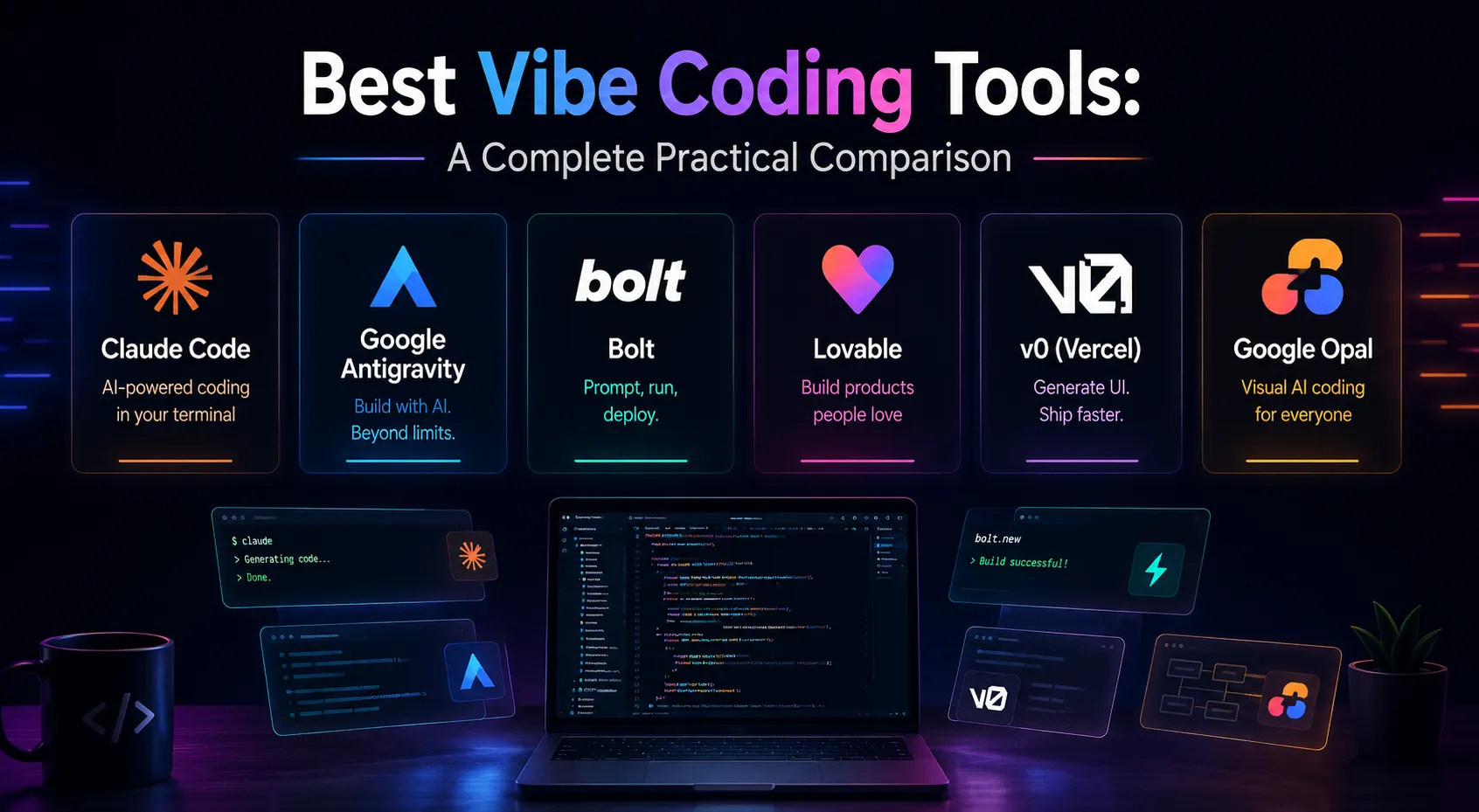
- Start with Vibe Coding and enjoy building. Create your first projects with tools like Claude Code or Google Antigravity and get motivated.
- Read the generated code, don't just run it. Even without full understanding, try to follow the overall structure; this habit gradually builds your technical knowledge.
- Learn foundational concepts separately. You don't need full mastery of a programming language — just an understanding of concepts like databases, APIs, and basic security is enough.
- For sensitive projects, always get a human expert's opinion. Never publish a product handling sensitive user data based solely on AI's approval.
Conclusion
Vibe Coding isn't the end of programming — it's a
new front door into the world of software creation, one that only specialists could pass through before. But this easy entry doesn't mean technical knowledge is now unnecessary; quite the opposite — the more you understand how things work, the smarter and safer you'll be able to wield AI's power. The right question isn't "do I still need to learn to code?" but rather "how much of that knowledge do I actually need for my goals?" — and the answer depends entirely on the path you choose for yourself. If you want to take your first practical step today, DeepFa's
AI Coding Tool is a great place to start.



 LLMs & AI Agents
 LLMs & AI Agents
 LLMs & AI Agents
 LLMs & AI Agents
 LLMs & AI Agents
 LLMs & AI Agents