Introduction
When you want to build an AI system that actually does things — not just generates text — you face one big question:
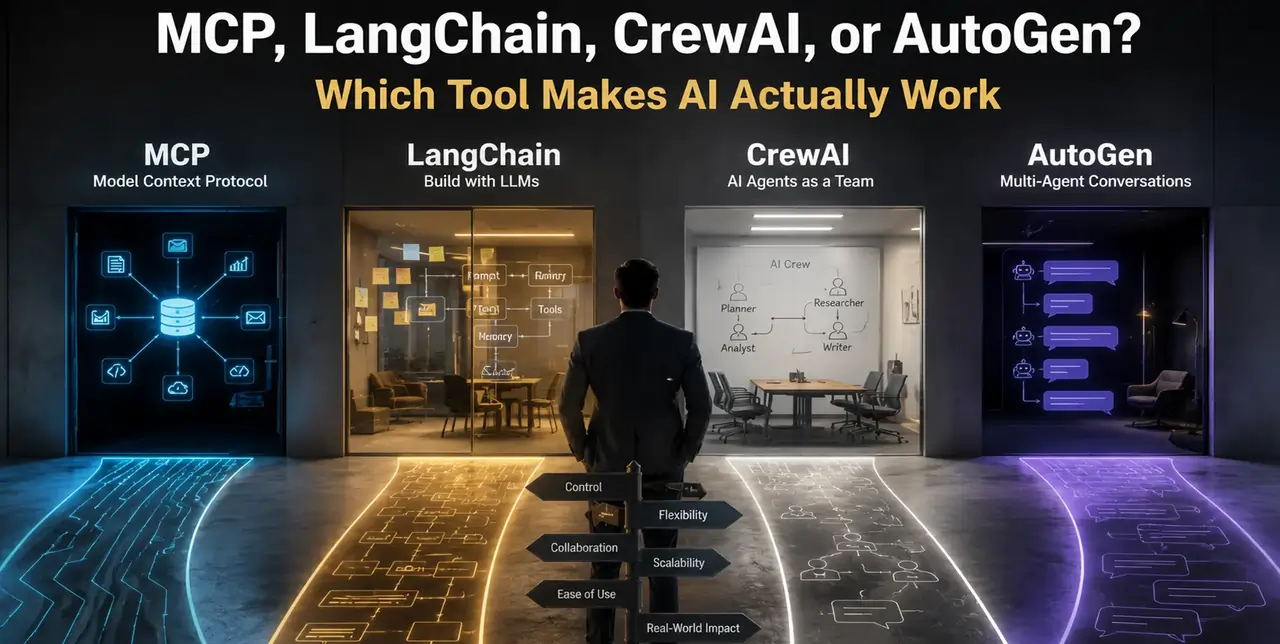
Where do I start? MCP? LangChain? CrewAI? AutoGen?
All of them claim to connect AI to the real world. All of them talk about Agents, tools, and automation. But what sets them apart? Which one is right for what you're building?
This article is an honest, deep comparison — not a promotion for any of them. The goal is to understand exactly what problem each tool solves, where it shines, and where it falls short.
If you've read our previous article on
MCP Protocol, this is the natural continuation. If not, we recommend starting there first.
First, Understand What You're Building
Before comparing, we need to be clear about one thing: these tools are not necessarily competitors. Each operates at a different layer.
To make this concrete, let's work with a real example throughout the article:
Scenario: You want to build a system that every morning:
- Collects the latest news in your industry
- Analyzes it
- Writes a summary
- Saves it in Notion
- Sends the link in Slack
This is a real task with real tools. Let's see how each framework handles it.
LangChain: The Pioneer That Sometimes Loses Itself
What Is LangChain?
LangChain emerged in early 2023 and almost overnight became the most popular
AI framework. The core idea was simple: build a
chain of operations with language models.
LangChain is a Python (and JavaScript) framework that:
- Standardizes connections to different LLMs (OpenAI, Anthropic, Google, and more)
- Provides pre-built tools for search, databases, APIs, and more
- Works well with RAG
- Enables defining complex Agents
Where It Truly Shines
LangChain is excellent for rapid prototyping and connecting to data sources. If you want to build a chatbot that answers questions from your company's PDF documents, LangChain is probably the fastest path.
In our morning scenario, LangChain can:
- Connect to a news API
- Summarize texts through an LLM
- Save the result in Notion
Where It Gets Difficult
LangChain's main problem is accumulated complexity. As a project grows:
- Code quickly becomes a tangled mess
- Debugging is hard — you can't always tell exactly what happened where
- Different LangChain versions are often incompatible with each other
- Heavy abstractions sometimes confuse more than they help
A common critique in the developer community: "LangChain is great for prototyping, but painful for production."
CrewAI: When Agents Work Together
What Is CrewAI?
CrewAI goes a step further than LangChain. Instead of a single Agent, it defines a
group of Agents (a Crew), each with a specific role, working together collaboratively.
Imagine a real team:
- Researcher Agent: Gathers information
- Analyst Agent: Analyzes it
- Writer Agent: Writes the content
- Publisher Agent: Publishes it
Where It Truly Shines
In our scenario, CrewAI excels:
- A Researcher Agent collects the news
- An Analyst Agent evaluates the importance of each story
- A Writer Agent writes the summary
- A Publisher Agent saves it in Notion and sends it in Slack
This division of labor means each Agent focuses on its own job and errors are traceable.
Where It Gets Difficult
- Cost: Each Agent makes its own LLM calls. A Crew with 4 Agents can cost 10-20x more than a simple model
- Flow control: Agents sometimes get stuck in loops or go off-track
- Debugging: Figuring out which Agent failed and where is challenging
AutoGen: Microsoft's Approach to Agent Conversation
What Is AutoGen?
AutoGen is Microsoft's framework, and its approach differs from CrewAI. In AutoGen, Agents interact through
conversation — like a group chat where Agents send messages, receive replies, and discuss things together.
AutoGen's unique feature: Human-in-the-loop. You can define exactly where in the process a human needs to approve or intervene.
In our scenario, AutoGen can:
- Have one Agent research the news
- Send the result to another Agent for review
- The second Agent checks it and gives feedback
- Ask the user for confirmation if needed
- Finally publish the result
Where It Truly Shines
AutoGen is excellent for scenarios that require human oversight:
- Generated code that needs a developer's review
- Financial decisions requiring approval
- Content that must be checked before publishing
Where It Gets Difficult
- Setup complexity: Initial AutoGen configuration is time-consuming
- Latency: Agent conversations are slow
- Over-engineered for simple tasks — if you just need a summary, AutoGen is overkill
MCP: A Different Layer from the Rest
What Does MCP Do That Others Don't?
Here we need to be honest: MCP is not an Agent framework. This is the most important point that's often misunderstood.
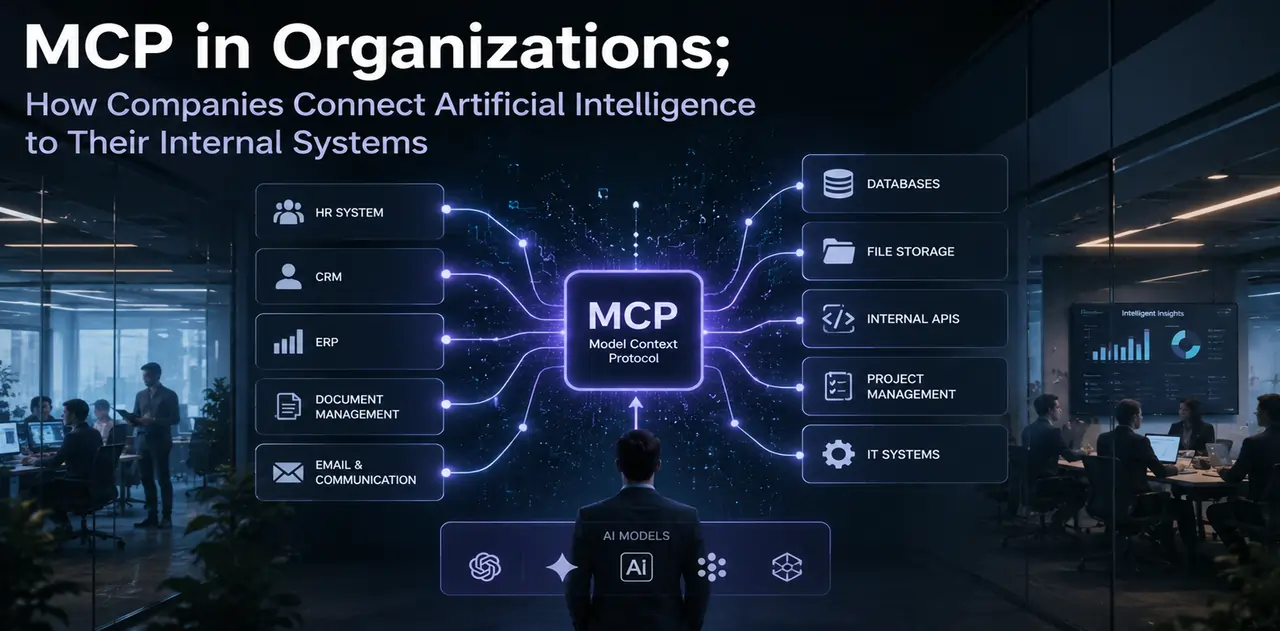
MCP is a connection protocol. Just like HTTP defines the standard for web communication, MCP defines the standard for connecting AI models to external tools.
The key difference:
- LangChain, CrewAI, and AutoGen define how Agents should behave
- MCP defines how Agents connect to tools
In fact, MCP can be the infrastructure underneath LangChain, CrewAI, and AutoGen.
Why Does MCP Matter?
In our scenario, when an Agent wants to write to Notion:
Without MCP: You have to write specific code that works with Notion's API, handles errors, implements authentication...
With MCP: A Notion MCP Server already exists that handles all of this. The Agent just says "write to Notion" and the server manages all the details.
This separation of responsibilities is what makes MCP powerful.
Full Comparison: An Honest Table
| Criterion | LangChain | CrewAI | AutoGen | MCP |
| Tool Type | Agent Framework | Multi-Agent Framework | Conversational Framework | Connection Protocol |
| Creator | LangChain Inc. | CrewAI | Microsoft | Anthropic |
| Learning Curve | Medium to Hard | Relatively Easy | Hard | Easy (for users) |
| Best For | RAG & Prototyping | Parallel Tasks | Human Oversight | Tool Connection |
| Running Cost | Medium | High | High | Low |
| Model Dependency | Agnostic | Agnostic | Leans OpenAI | Agnostic |
| Production-Ready | Challenging | Moderate | Moderate | Yes |
| Ecosystem | Very Large | Growing | Medium | Exploding |
| Combining with Others | Good | Good | Medium | Excellent — base layer |
Practical Example: One Scenario, Four Approaches
Let's walk through our morning news scenario with each tool:
With LangChain:
python
from langchain.agents import AgentExecutor
from langchain_openai import ChatOpenAI
llm = ChatOpenAI(model="gpt-4")
tools = [news_search_tool, notion_write_tool, slack_send_tool]
agent = create_react_agent(llm, tools, prompt)
executor = AgentExecutor(agent=agent, tools=tools)
result = executor.invoke({"input": "Collect today's news and save it in Notion"})
Simple to start. But when errors appear, debugging gets painful.
With CrewAI:
python
from crewai import Agent, Task, Crew
researcher = Agent(role="Researcher", goal="Collect news", ...)
writer = Agent(role="Writer", goal="Write summary", ...)
publisher = Agent(role="Publisher", goal="Publish to Notion and Slack", ...)
crew = Crew(agents=[researcher, writer, publisher], tasks=[...])
result = crew.kickoff()
More readable and structured. But 3 LLM calls for one simple task?
With AutoGen:
python
import autogen
user_proxy = autogen.UserProxyAgent("user", human_input_mode="NEVER")
researcher = autogen.AssistantAgent("researcher", llm_config=...)
writer = autogen.AssistantAgent("writer", llm_config=...)
user_proxy.initiate_chat(researcher, message="Collect today's news")
Powerful but complex. Right when you need human oversight.
With MCP (in Claude Desktop):
No code needed at all. You connect the Notion and Slack MCP Servers and tell Claude:
"Collect today's AI news, write a summary, save it in Notion, and send the link in Slack."
Claude does it. No code, no complexity.
Smart Combination: MCP + CrewAI = Real Power
This is where things get interesting. The best architecture is often a combination.
An advanced system might look like this:
- CrewAI manages the team of Agents (who does what)
- MCP standardizes how Agents connect to external tools (how they reach Notion, Slack, GitHub)
- RAG supplies contextual information from a knowledge base
Which Should You Choose? An Honest Guide
If you're a beginner:
Start with MCP in Claude Desktop. It's the fastest way to see real AI power in action. No code required.
If you want to build a chatbot or Q&A system:
LangChain with its RAG module is the best choice. Large ecosystem, plenty of examples.
If you want to build a complex multi-step workflow:
CrewAI is best for assigning each step to a dedicated Agent. Cleaner, more readable code.
If you work in an organization and need human oversight:
AutoGen is the right choice. Strong human-in-the-loop support.
If you want to build a real product that's stable in production:
MCP + an Agent framework is the smart combination. MCP gives you a standard connection layer — when your tools change, you don't have to rewrite all your Agent code.
The Future: Where Are We Headed?
An important trend is taking shape: convergence.
LangChain is adding MCP support. CrewAI is heading in the same direction. This means in the near future, these tools will complement rather than compete with each other — and MCP will play a central role as the standard connection layer.
Agentic AI is the future. But a future built on shared standards — not fragmented, incompatible tools.
If you're interested in
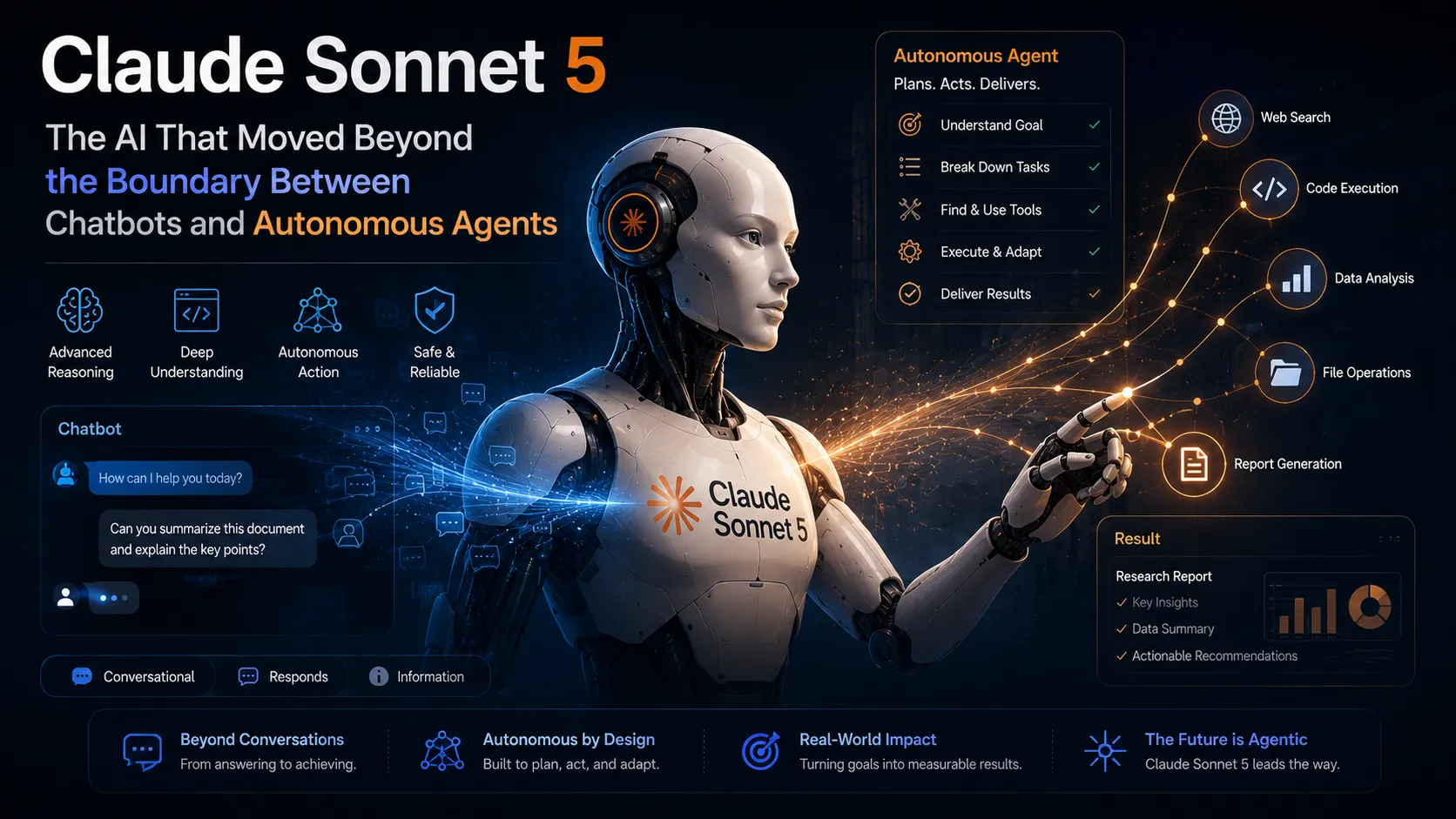
larger foundation models and how they're evolving, this tool convergence is one of the most important trends to follow.
Conclusion: The Common Mistake to Avoid
The biggest mistake is thinking you have to pick one and throw the rest away.
MCP is a protocol, not a LangChain competitor.
CrewAI is for multi-agent structure, not an AutoGen replacement.
The reality is that the best AI systems today use a combination of these tools — each in the layer where it performs best.
Start small. Have a real problem? See which tool gives the simplest solution. Then as problems get more complex, you'll know exactly what to add and when.
AI is a tool. The best tool is the one that gets your job done — not the one with the most hype.



 LLMs & AI Agents
 LLMs & AI Agents
 LLMs & AI Agents
 LLMs & AI Agents
 LLMs & AI Agents
 LLMs & AI Agents