Introduction
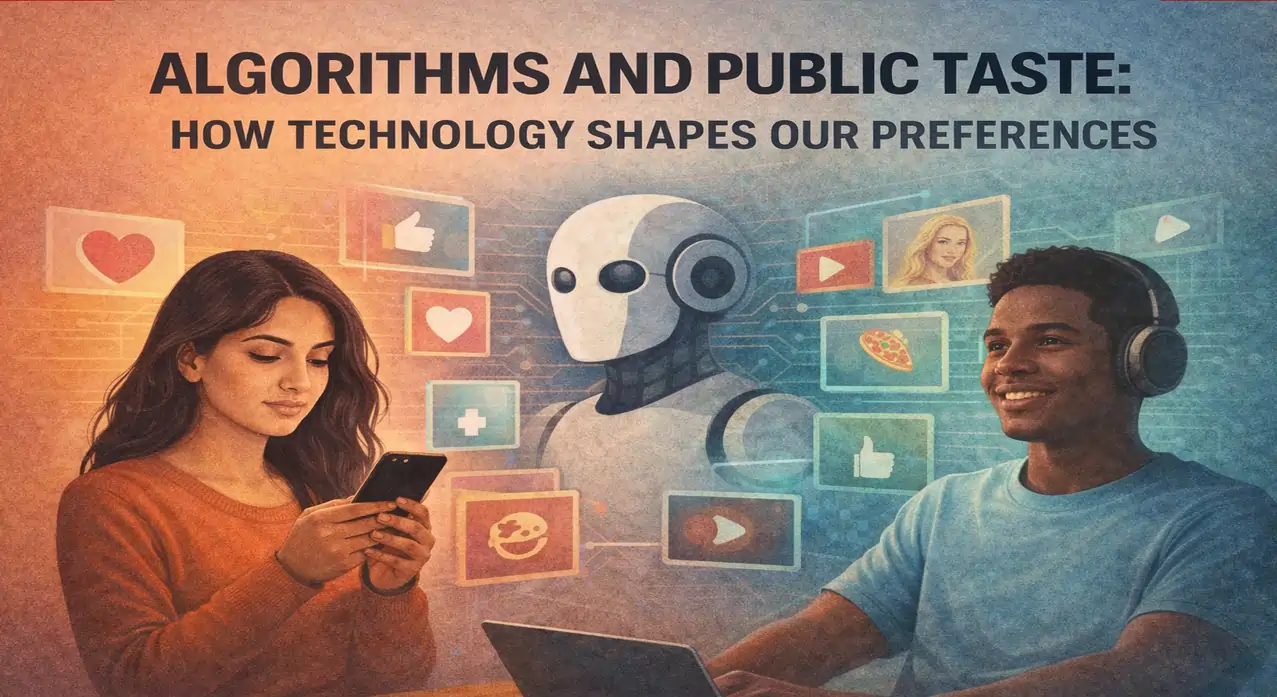
In today's digital world, every morning when you wake up and pick up your smartphone, the first thing you see is the product of
artificial intelligence and its complex algorithms. The video YouTube recommends to you, the song Spotify plays for you, the movie Netflix shows you, and even the news you read on Twitter - all of them are selected by
machine learning algorithms. These AI systems don't just predict what you like; they gradually
shape your taste.
But have you ever wondered how artificial intelligence has become powerful enough to influence the taste of millions of people around the world? Why do we all suddenly fall in love with a particular song? Why does a movie suddenly go viral? And why do you sometimes feel that everything on the internet is "similar"?
In this in-depth article, we'll explore how
AI algorithms use big data analysis and natural language processing to build, change, and sometimes even manipulate public taste. From the architecture of transformer models behind these systems to their psychological and social impacts, we'll examine everything. We've also explored these topics in depth in our related articles about
filter bubbles and echo chambers and
digital addiction psychology.
How AI Works: Behind the Scenes
Recommendation Systems: The Brain Behind Our Choices
The core of public taste formation in the digital world is
AI-Powered Recommendation Systems. These systems analyze behavioral patterns of millions of users using
supervised learning and
unsupervised learning.
Let's start with a tangible example: YouTube's algorithm. Every time you click on a video, the time you watch it, the videos you skip, the comments you leave, and even the speed at which you scroll the page - all this information is recorded and analyzed by the algorithm.
This data enters a
recurrent neural network that, using
deep learning techniques, creates a precise profile of you. This profile not only knows your current preferences but can also
predict what you will like in the future.
Technical Architecture: From Raw Data to Manufactured Taste
Let's go deeper and see how these systems work at a technical level:
1. Data Collection: Platforms collect billions of data points - from watch time to geographic location, time of day, device type, and even how you move your mouse or finger.
2. Preprocessing: This data is cleaned, normalized, and categorized using
data mining techniques.
3. Feature Extraction: Algorithms identify key features. For example, a video might receive labels like "entertaining," "educational," "short," "fast-paced," "emotional."
5. Ranking and Recommendation: Finally, the algorithm ranks available content and shows you what has the highest probability of engagement.
| Platform | Main Algorithm Type | Main Ranking Criterion | Impact on Taste |
| YouTube | Deep Neural Networks + Reinforcement Learning | Watch Time | Very High - Strong Filter Bubble |
| TikTok | Collaborative Filtering + Graph Neural Networks | Video Completion Rate & Engagement | Extreme - Rapid Trend Changes |
| Spotify | Clustering Algorithms + Matrix Factorization | Complete Playback & Playlist Addition | Moderate - Diversity in Recommendations |
| Netflix | Ensemble Learning + Contextual Bandits | Watch Completion & Rating | High - Taste Homogenization |
| Instagram | Multimodal Models + Machine Vision | Dwell Time & Interactions | Very High - Creating Visual Trends |
Psychological Mechanisms: Why Do We Listen to AI?
Feedback Loop and Digital Addiction
AI algorithms are not just technical tools - they leverage deep knowledge of behavioral psychology. Every time you like recommended content and interact with it, your brain releases dopamine. This is the same substance involved in the body's natural reward processes.
AI algorithms recognize and exploit this feedback loop. They choose the next content to maximize the likelihood of more dopamine release - but not always. This technique, called "Variable Reinforcement" in psychology, is the same thing slot machines use to addict people.
Imagine you're scrolling through Instagram. Sometimes you see a super interesting post, sometimes a normal post, and sometimes something you don't really like. This very uncertainty makes it impossible to stop scrolling - because you don't know how interesting the next post will be.
Filter Bubbles and Echo Chambers
One of the most controversial effects of algorithms is creating "Filter Bubbles". Algorithms gradually place you in a world that only shows content aligned with your current beliefs and preferences.
Real example: Suppose you once clicked on a political video with a specific orientation. YouTube's algorithm starts showing similar videos. The more you watch, the more confident the algorithm becomes that this is what you want. Gradually, you no longer see any opposing viewpoints - and this is an "Echo Chamber".
Tangible Examples: How Your Taste Was Built
Music: How a Song Goes Viral
Have you ever wondered why suddenly everyone is listening to a particular song? Let's see behind the scenes of this process.
On Spotify, the algorithm can detect that a song is becoming popular using
time series forecasting - even before it actually goes viral. This algorithm considers many factors:
- Listener Growth Rate: Is the number of people listening to this song rapidly increasing?
- Save Rate: How many people are adding this song to their playlists?
- Repeat Playback: Are people listening to it again and again?
- Social Sharing: Is it being spread on social networks?
- Audio Features: Is the melody, rhythm, or song structure similar to previous viral songs?
When the algorithm detects a song has viral potential, it starts showing it to more users. This is somewhat a self-fulfilling prophecy - the algorithm makes the song popular because it thinks it will be popular!
TikTok has taken this process to a new level. On this platform, a song can go from obscurity to millions of plays within hours. TikTok's algorithm, using
diffusion models and
swarm intelligence techniques, can quickly identify and amplify emerging trends.
Fashion and Clothing: How a Style Becomes Global
The fashion industry is one of the industries profoundly transformed by algorithms. Platforms like Pinterest and Instagram, using
vision transformer models, can analyze and categorize clothing styles.
Suppose a new fashion brand produces a jacket with a specific pattern. Instagram, by analyzing images and using
AI image processing, can detect that this pattern is becoming popular. Then it starts showing posts related to this style to potentially interested users.
But here's what's more interesting: the algorithm can also suggest new combinations. For example, if it sees that people who like that jacket usually also wear specific jeans, it suggests this combination to others. Thus, the algorithm not only follows taste but creates it.
Film and Series: Netflix and Algorithm-Driven Content Production
Netflix is one of the pioneering companies in using data to shape content. This company not only uses algorithms to recommend content but also leverages them for content production.
When Netflix decided to produce the series "House of Cards," this decision was completely data-driven. Netflix's algorithms had shown that:
- Films directed by David Fincher are popular
- Films and series starring Kevin Spacey have many viewers
- The original British "House of Cards" has many fans
- These three audience groups have significant overlap
By combining this data, Netflix knew that a political series with this combination would be successful - and it was. But the interesting point is that this success was not only because of the series' quality but because Netflix's algorithm precisely showed it to the right people.
Today, Netflix, using
predictive models, can even detect which scenes in a film are more liked. This information is given to content creators to build future content based on it.
Social and Cultural Impacts
Cultural Homogenization or Diversity?
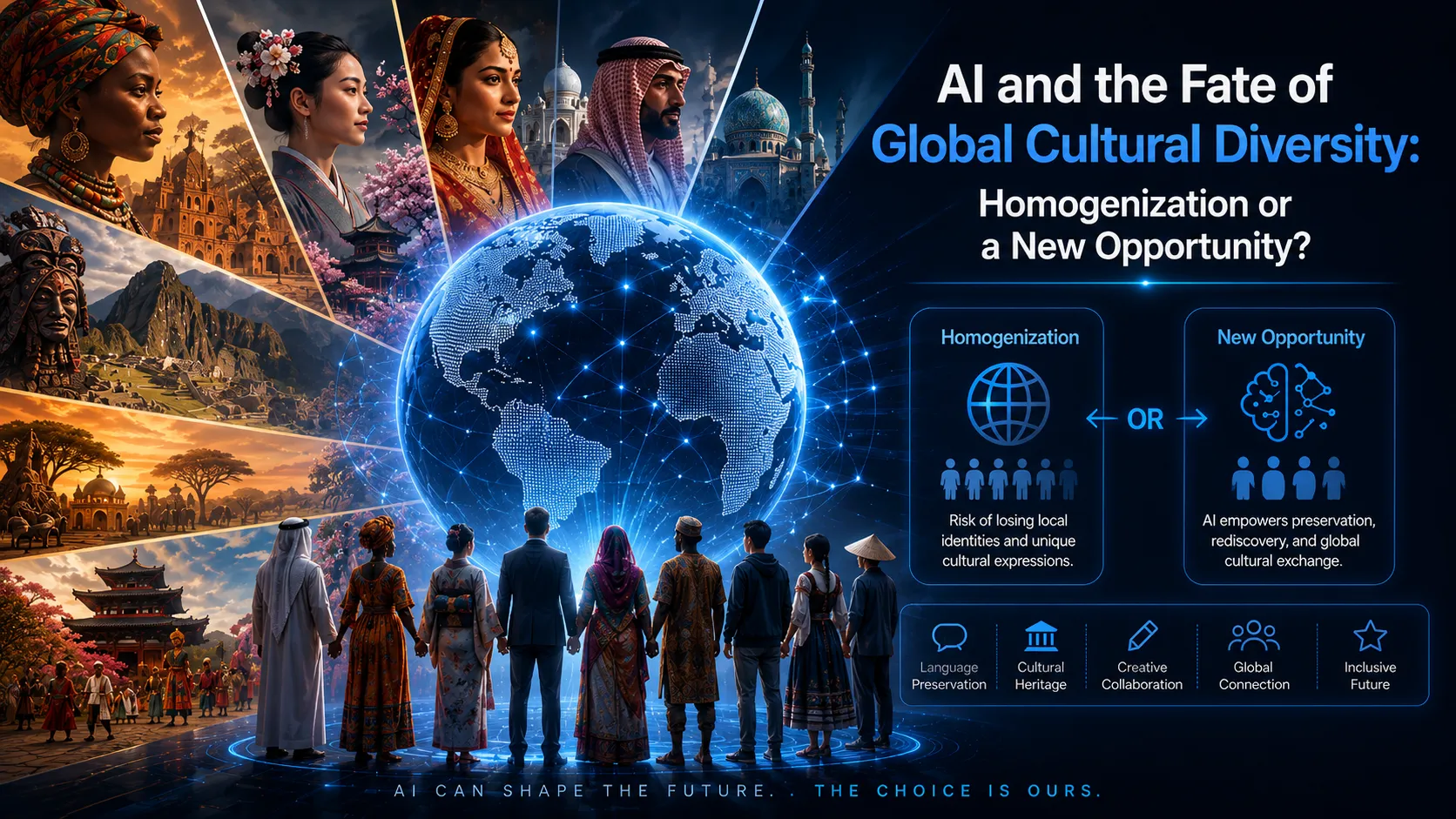
One of the hot debates is whether algorithms cause cultural homogenization or increase diversity. The answer is complex.
On one hand, algorithms can introduce you to diverse content you would never find yourself. For example, Spotify might introduce you to a lesser-known artist from another country that you fall in love with.
But on the other hand, the same algorithms make us all see similar content. When a trend starts, algorithms amplify it exponentially. This causes "medium-grade" content - those that are neither very popular nor very unpopular - to be seen less.
This phenomenon leads to a "Winner-Takes-All Economy". A few top artists receive billions of streams, while thousands of other artists barely have a few hundred listeners.
Language and Communication Changes
Algorithms even affect our language. Words, phrases, and even tones that go viral on social networks quickly enter daily speech.
TikTok is particularly powerful in this area. A video with a specific phrase might be reshared millions of times, and within days, everyone is using that phrase. TikTok's
natural language processing algorithm identifies and amplifies these patterns.
These impacts even affect our
social skills. Today's youth communicate more through memes and short videos than long conversations.
The Dark Side: Manipulation and Exploitation
Amplifying Extreme Content
One of the most concerning effects of algorithms is their tendency to amplify extreme content. Why? Because extreme content usually has more engagement - people click on it more, comment more, and share it more.
A study showed that YouTube's algorithm tends to guide users toward more extreme content. If you watch a moderate political video, the algorithm might suggest videos with more extreme views - because data shows people watch them more.
Political Use of Algorithms
In recent elections worldwide, using algorithms for political targeting has become a controversial issue. Political campaigns can show specific messages to specific groups by analyzing behavioral data.
For example, if the algorithm detects you're concerned about the economy, political ads about the economy are shown to you. If you're concerned about security, you see messages about security. This "microtargeting" can be very effective - and very dangerous.
Addiction and Mental Health
Algorithms are designed to
maximize engagement - not maximize your wellbeing. This is an important difference. They want to keep you on the platform, even if it's detrimental to your
mental health.
Research has shown that excessive use of algorithm-driven social networks can lead to depression, anxiety, and feelings of loneliness. Social comparison plays a big role here - when the algorithm only shows you the best moments of others' lives, you feel your life is lacking.
The Future: Where Are We Going?
AI and Hyper-Personalization
The future of AI and its algorithms is moving toward
hyper-personalization. With advances in
foundation models and
large language models, future AI systems will not only know your preferences but can
live adjust content for you.
Imagine a video you're watching changes based on your moment-by-moment reactions. If you get distracted in one part, the video automatically moves to the next interesting part. This type of technology is being developed using
emotional AI and
multimodal models.
The Rise of the Metaverse and Virtual Taste
With the growth of the
metaverse, algorithmic taste-making will also expand into the virtual world. Algorithms will not only determine what content you see but what experience you have, who you meet, and even how you appear.
Ethical and Transparent AI
Fortunately, there's a movement toward building
more ethical AI systems.
Explainable AI allows users to understand why specific content is shown to them.
Some platforms are testing mandatory diversity in recommendations - deliberately showing content different from your usual pattern to prevent filter bubbles.
How to Take Back Control?
Individual Strategies
Although algorithms are powerful, you can still have control over your taste. Here are some practical strategies:
1. Algorithm Awareness: The first step is knowing the algorithm is at work. Every time content is recommended to you, ask yourself: "Do I really want this, or does the algorithm think I want it?"
2. Active Search: Instead of relying completely on recommendations, actively search for new content. On Spotify, instead of just listening to Discover Weekly, search for new genres.
3. Clearing History: Sometimes, clearing watch or listening history can "reset" the algorithm and give you more diverse recommendations.
4. Different Interaction: Deliberately interact with content you don't usually see. This signals to the algorithm that your interests are more diverse than it thinks.
5. Using Alternative Platforms: Sometimes the best way is to use smaller, non-algorithmic platforms that offer different content.
Platform Responsibility
But the pressure shouldn't only be on users' shoulders. Platforms must also take responsibility:
- Transparency: Clear explanation of how the algorithm works
- User Control: More tools for users to adjust the algorithm
- Mandatory Diversity: Ensuring users see diverse content
- Protection of Vulnerable Groups: Especially children and teenagers who need AI education
- Independent Auditing: Allowing independent researchers to examine algorithms
The Role of Legislation and Policy
At a macro level, there's a need for laws and regulations. The European Union, with its "Digital Services Act," is a pioneer in this area. This law requires platforms to be more transparent about their algorithms.
Conclusion: Taste in the AI Age
Artificial intelligence and its algorithms are unavoidably part of our digital lives. These systems have amazing power - they can introduce us to incredible content we would never find ourselves, they can give lesser-known artists opportunities to reach new audiences, and they can dramatically improve user experience.
But as we've seen, they can also trap us in filter bubbles, fuel extreme content, and even threaten our mental health. The impact of artificial intelligence on public taste is deep and multifaceted - from the music we listen to to the clothes we wear, from our political views to the language we speak.
The answer is neither complete rejection of technology nor blind acceptance. The answer lies in awareness, criticism, and active engagement. We must learn to coexist with AI - benefit from its advantages but not lose control.
Ultimately, your taste should be your taste - not the product of an algorithm. But in a world where AI is becoming increasingly powerful, maintaining this independence requires constant effort and awareness. By understanding how these systems work, we can make more informed decisions - both as individuals and as a society.
The future of
artificial intelligence and algorithms is bright, but its shape depends on our choices - as users, developers, legislators, and citizens. Let's build this future with awareness and responsibility.



 Social Impact & Future
 Social Impact & Future
 Social Impact & Future
 Social Impact & Future
 Social Impact & Future
 Social Impact & Future