وبلاگ / چگونه به کودکان استفاده درست از هوش مصنوعی را آموزش دهیم؟
چگونه به کودکان استفاده درست از هوش مصنوعی را آموزش دهیم؟
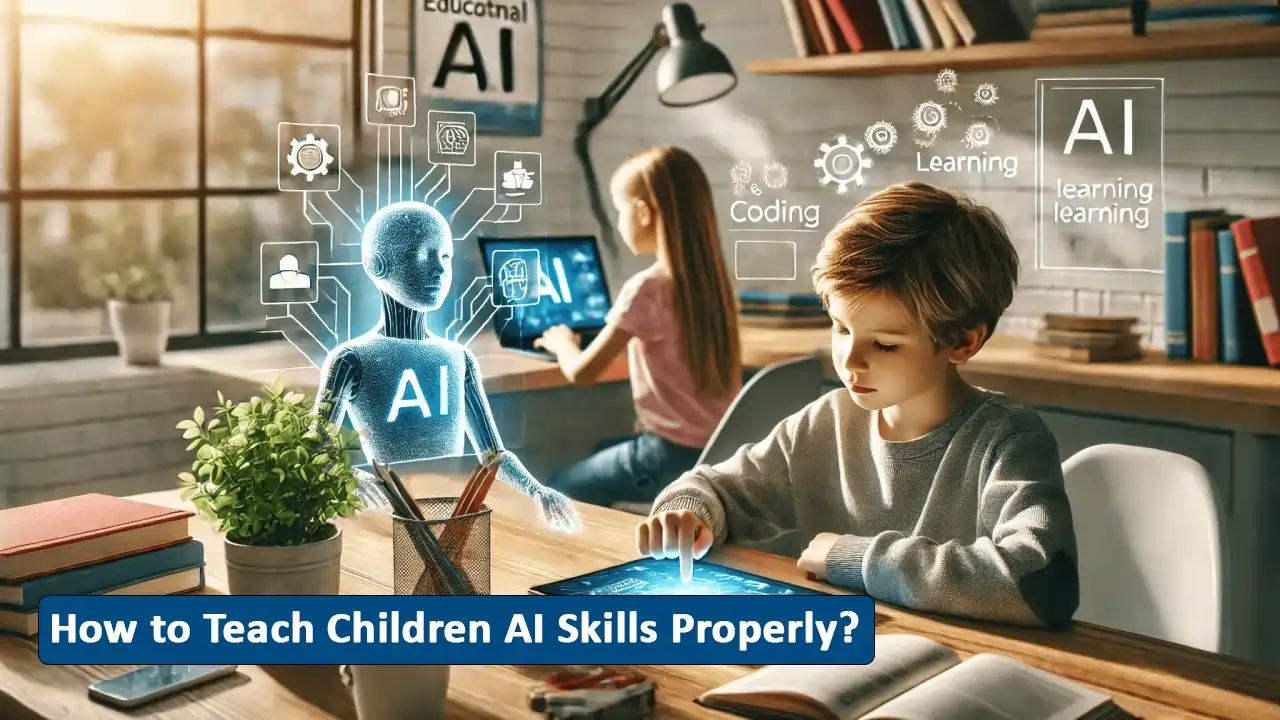
مقدمه
نسل امروز کودکان در دنیایی رشد میکنند که هوش مصنوعی بخش جداییناپذیر زندگی روزمره است. از دستیارهای صوتی گرفته تا برنامههای آموزشی هوشمند، AI همهجا حضور دارد. اما سؤال اصلی این است: چگونه میتوانیم کودکان را برای استفاده مسئولانه و خلاقانه از این فناوری آماده کنیم؟
آموزش صحیح هوش مصنوعی به کودکان فقط یک مهارت فناوری نیست، بلکه کلید توانمندسازی آنها برای آینده است. کودکانی که امروز یاد میگیرند چگونه با AI تعامل کنند، فردا خالقان، نوآوران و رهبران دنیای دیجیتال خواهند بود.
چرا آموزش AI به کودکان اهمیت دارد؟
تغییر ماهیت مشاغل آینده
بازار کار در حال تحول است. مطالعات نشان میدهند که بیش از 65 درصد از کودکان امروزی در مشاغلی کار خواهند کرد که هنوز وجود ندارند. تأثیر هوش مصنوعی بر مشاغل و صنایع نشان میدهد که درک AI دیگر یک مزیت نیست، بلکه یک ضرورت است.
کودکانی که با AI آشنا میشوند:
- مهارت حل مسئله را بهتر توسعه میدهند
- تفکر محاسباتی قویتری دارند
- در خلاقیت دیجیتال پیشرو میشوند
- برای همکاری با ماشینها آمادهتر هستند
کاهش شکاف دیجیتال
آموزش زودهنگام AI به کودکان کمک میکند تا شکاف دیجیتال کاهش یابد. کودکانی که امروز به این فناوری دسترسی ندارند، ممکن است فردا از فرصتهای شغلی و اجتماعی محروم شوند.
سن مناسب برای شروع آموزش
5 تا 7 سالگی: آشنایی اولیه
در این سن، کودکان میتوانند با مفاهیم ساده AI آشنا شوند:
- تشخیص صدا: استفاده از دستیار صوتی برای پرسیدن سؤالات ساده
- بازیهای هوشمند: بازیهایی که به آموزش الگوها کمک میکنند
- رباتهای آموزشی: رباتهای ساده که به دستورات پاسخ میدهند
8 تا 10 سالگی: یادگیری عملی
کودکان این سن میتوانند مفاهیم پیچیدهتری را درک کنند:
- برنامهنویسی بصری: استفاده از پلتفرمهایی مثل Scratch برای ساخت برنامههای ساده
- آشنایی با مدلهای زبانی: استفاده ساده از ChatGPT برای پروژههای مدرسه با نظارت والدین
- شناخت الگوریتمها: فهمیدن اینکه چطور AI تصمیم میگیرد
11 سال به بالا: تعمق و خلاقیت
نوجوانان میتوانند با ابزارهای پیشرفتهتر کار کنند:
- استفاده از ابزارهای AI برای تولید محتوا
- یادگیری برنامهنویسی پایتون برای پروژههای AI
- ساخت پروژههای یادگیری ماشین ساده
مفاهیم کلیدی که کودکان باید یاد بگیرند
1. AI چیست و چگونه کار میکند؟
کودکان باید بفهمند که AI مثل مغز انسان نیست، بلکه ابزاری است که از دادهها یاد میگیرد. این را میتوان با مثالهای ساده توضیح داد:
مثال قابل لمس: تصور کنید به کودک خود یاد میدهید میوهها را تشخیص دهد. هر بار که سیب قرمز نشان میدهید، میگوید "سیب". بعد از دیدن دهها سیب، کودک یاد میگیرد سیب را تشخیص دهد. AI هم دقیقاً همین کار را انجام میدهد، اما با هزاران تصویر!
شبکههای عصبی دقیقاً به همین شکل کار میکنند - با دیدن مثالهای زیاد، الگوها را یاد میگیرند.
2. دادهها: غذای AI
کودکان باید بدانند که AI بدون داده نمیتواند کار کند. میتوان این موضوع را با یک بازی ساده آموزش داد:
فعالیت عملی: از کودک بخواهید 10 عکس از حیوانات مختلف جمع کند و به دستههای "پرنده" و "غیرپرنده" تقسیم کند. سپس توضیح دهید که AI هم همین کار را با میلیونها عکس انجام میدهد تا یاد بگیرد تفاوتها را تشخیص دهد.
3. تفکر انتقادی درباره AI
یکی از مهمترین مهارتها این است که کودکان یاد بگیرند همه چیز را که AI میگوید باور نکنند. توهم AI یک مشکل واقعی است که باید به کودکان آموزش داده شود.
مثال واقعی: وقتی از ChatGPT درباره یک موضوع تاریخی میپرسید، باید پاسخ را با منابع معتبر چک کنید. این کار را به کودک خود نشان دهید و توضیح دهید که AI گاهی اشتباه میکند.
ابزارها و پلتفرمهای آموزشی برای کودکان
| ابزار | سن مناسب | ویژگی کلیدی |
|---|---|---|
| Scratch | 8-12 سال | برنامهنویسی بصری و ساخت بازی |
| Teachable Machine | 10-14 سال | آموزش مدلهای تشخیص تصویر و صدا |
| AI Experiments by Google | 8+ سال | آزمایشهای تعاملی AI |
| Code.org AI for Oceans | 10+ سال | یادگیری مفاهیم یادگیری ماشین |
| Quick, Draw! | 6+ سال | بازی تشخیص نقاشی توسط AI |
Teachable Machine: آموزش عملی AI
یکی از هیجانانگیزترین ابزارها برای کودکان، Teachable Machine گوگل است. با این ابزار، کودک میتواند:
- مدل تشخیص تصویر بسازد: مثلاً به AI یاد دهد تفاوت بین قلمهای مختلف را تشخیص دهد
- مدل تشخیص صدا طراحی کند: AI را آموزش دهد صدای سگ را از صدای گربه تشخیص دهد
- حرکات را دستهبندی کند: به AI یاد دهد ژستهای مختلف دست را بشناسد
پروژه پیشنهادی: از کودک بخواهید یک سیستم تشخیص احساسات بسازد که با نشان دادن چهره خوشحال یا غمگین، AI بتواند احساس را تشخیص دهد.
Google Colab: قدم بعدی
برای نوجوانان که آماده یادگیری جدیتر هستند، Google Colab دروازه ورود به دنیای واقعی AI است. با این پلتفرم میتوانند:
- کدهای پایتون واقعی بنویسند
- با TensorFlow یا PyTorch کار کنند
- پروژههای یادگیری عمیق ساده بسازند
پروژههای عملی برای کودکان
پروژه 1: ساخت دستیار صوتی شخصی
سطح: متوسط (11-14 سال)
با استفاده از ابزارهای ساده، کودکان میتوانند یک دستیار صوتی کوچک بسازند که به سؤالات خاص پاسخ دهد. این پروژه به آنها کمک میکند پردازش زبان طبیعی را درک کنند.
مراحل ساده:
- تعریف دستورات خاص (مثلاً "هوا چطوره؟")
- برنامهنویسی پاسخهای مناسب
- استفاده از کتابخانههای تشخیص گفتار
پروژه 2: بازی حدس تصویر با AI
سطح: مبتدی (8-10 سال)
کودکان میتوانند با استفاده از Teachable Machine یک بازی بسازند که:
- تصاویر اشیا را تشخیص دهد
- به کودک امتیاز بدهد
- الگوهای جدید یاد بگیرد
این پروژه مفهوم یادگیری نظارتشده را به صورت عملی آموزش میدهد.
پروژه 3: تولید داستان با AI
سطح: متوسط تا پیشرفته (10+ سال)
کودکان میتوانند از ابزارهای هوش مصنوعی برای تولید محتوا استفاده کنند تا:
- داستانهای خلاقانه بنویسند
- شخصیتهای جدید طراحی کنند
- تصاویر داستان را با ابزارهای تولید تصویر AI بسازند
نکته مهم: به کودکان یاد دهید که AI ابزاری است برای تقویت خلاقیت، نه جایگزین آن. تأثیر هوش مصنوعی بر هنر و خلاقیت نشان میدهد که بهترین نتایج زمانی حاصل میشود که انسان و AI با هم کار کنند.
چالشها و نگرانیهای والدین
نگرانی 1: اعتیاد به فناوری
بسیاری از والدین نگران هستند که آموزش AI باعث افزایش وقت صرف شده کودک با دستگاههای دیجیتال شود.
راهحل:
- زمانبندی مشخص برای کار با AI (مثلاً 30 دقیقه در روز)
- ترکیب فعالیتهای دیجیتال با فعالیتهای فیزیکی (ساخت رباتهای واقعی)
- استفاده از AI برای پروژههای عملی که نتیجه فیزیکی دارند
نگرانی 2: حریم خصوصی و امنیت
کودکان باید از همان ابتدا با اصول اخلاقی در هوش مصنوعی آشنا شوند.
اصول مهم برای آموزش:
- هرگز اطلاعات شخصی را با AI به اشتراک نگذار
- از پلتفرمهای امن و آموزشی استفاده کن
- همیشه با نظارت والدین کار کن
- بدان که AI دادههای تو را ذخیره میکند
نگرانی 3: از دست دادن مهارتهای پایه
برخی نگرانند که کودکان با اتکا به AI، مهارتهای پایه مثل نوشتن یا محاسبات را فراموش کنند.
راهکار متعادل:
- AI را به عنوان ابزار کمکی استفاده کن، نه جایگزین
- ابتدا مهارت را خودت یاد بگیر، سپس از AI برای بهبود استفاده کن
- از AI برای یادگیری مفاهیم جدید استفاده کن، نه برای انجام تکالیف
نقش والدین در آموزش AI
خودِ شما هم باید یاد بگیرید
والدین باید خودشان با AI آشنا باشند تا بتوانند فرزندانشان را راهنمایی کنند. منابع زیر میتوانند مفید باشند:
فضای یادگیری مناسب
ایجاد یک محیط که کودک بتواند بدون ترس از اشتباه، آزمایش و خطا کند:
- اشتباهات را جشن بگیرید: وقتی کودک اشتباه میکند، توضیح دهید که AI هم همینطور یاد میگیرد
- پروژههای مشترک انجام دهید: با هم یک پروژه AI بسازید
- از سؤالات استقبال کنید: همیشه پاسخگوی کنجکاوی کودک باشید
مدیریت انتظارات
به کودک توضیح دهید که:
- AI جادو نیست، ابزاری است که انسان ساخته
- AI محدودیتهایی دارد و همه کار را نمیتواند انجام دهد
- مهارتهای انسانی مثل خلاقیت، همدلی و تفکر انتقادی همچنان حیاتی هستند
آیندهای که کودکان امروز میسازند
کودکانی که امروز با AI آشنا میشوند، فردا میتوانند:
سازندگان فناوری باشند
با یادگیری یادگیری عمیق و شبکههای عصبی، کودکان میتوانند نسل بعدی ابزارهای هوشمند را بسازند.
حلکنندگان مسائل جهانی باشند
AI ابزار قدرتمندی برای حل چالشهای بزرگ است:
- AI در پزشکی برای درمان بیماریها
- AI در کشاورزی هوشمند برای تغذیه جهان
- AI در محیط زیست برای نجات سیاره
رهبران اخلاقی فناوری باشند
کودکانی که امروز با اخلاق AI آشنا میشوند، فردا میتوانند اطمینان حاصل کنند که فناوری در جهت خیر بشر پیش میرود.
مسیر یادگیری پیشنهادی
مرحله 1: آشنایی (3-6 ماه)
- بازی با ابزارهای ساده AI
- تماشای ویدیوهای آموزشی
- استفاده از دستیارهای صوتی با نظارت
مرحله 2: کاوش (6-12 ماه)
- ساخت اولین پروژه با Scratch
- آموزش یک مدل ساده با Teachable Machine
- آشنایی با مفاهیم پایه الگوریتمهای یادگیری ماشین
مرحله 3: عمق (1-2 سال)
مرحله 4: تخصص (2+ سال)
- کار روی پروژههای واقعی
- مشارکت در مسابقات AI برای نوجوانان
- شروع یادگیری مدلهای پیچیدهتر
منابع آموزشی رایگان
دورههای آنلاین
بسیاری از پلتفرمهای معتبر دورههای رایگان برای کودکان ارائه میدهند:
- Code.org: دورههای مقدماتی AI برای کودکان
- MIT App Inventor: ساخت اپلیکیشنهای موبایل با قابلیتهای AI
- Khan Academy: دورههای برنامهنویسی و علوم کامپیوتر
کتابهای پیشنهادی
- "AI for Kids" توسط کریس وایلی
- "Machine Learning for Kids" توسط دیل لین
- "Hello Ruby: Adventures in Coding" برای کودکان کوچکتر
کانالهای یوتیوب
- Crash Course AI
- Code.org
- Kurzgesagt (برای فهم مفاهیم کلی AI)
نکات کلیدی برای موفقیت
1. صبور باشید
یادگیری AI مثل یادگیری هر مهارت دیگری زمان میبرد. اگر کودک در ابتدا دلسرد شد، نگران نباشید.
2. از علایق کودک استفاده کنید
اگر کودک علاقهمند به موسیقی است، پروژههای AI مرتبط با تولید موسیقی انجام دهید. اگر به ورزش علاقه دارد، درباره AI در ورزش صحبت کنید.
3. تشویق کنید، فشار نیاورید
برخی کودکان بیشتر به فناوری علاقهمند هستند. اگر کودک شما علاقه کمتری دارد، اجبار نکنید. شاید بعداً علاقهمند شود.
4. جامعه بسازید
به کودک کمک کنید با کودکان دیگری که به AI علاقهمند هستند، ارتباط برقرار کند. این میتواند از طریق:
- باشگاههای کدنویسی محلی
- مسابقات آنلاین
- گروههای آموزشی
چشمانداز آینده
نسل آلفا و AI
نسل آلفا اولین نسلی است که از ابتدای زندگی با AI بزرگ میشود. این کودکان:
- بومیان هوش مصنوعی هستند: مثل نسل قبلی که با اینترنت بزرگ شد
- انتظارات متفاوتی دارند: از فناوری انتظار دارند که هوشمند و شخصیسازی شده باشد
- مهارتهای منحصر به فردی خواهند داشت: تعامل طبیعی با سیستمهای هوشمند
فناوریهای نوظهور
کودکان امروز باید با فناوریهایی آشنا شوند که فردا همهجا خواهند بود:
- هوش مصنوعی چندوجهی: سیستمهایی که میتوانند همزمان تصویر، صدا و متن را پردازش کنند
- رباتیک و AI: ترکیب هوش نرمافزاری با حرکات فیزیکی
- محاسبات کوانتومی: آینده پردازش اطلاعات
مشاغل آینده
کودکان امروز ممکن است در مشاغلی کار کنند که هنوز نام ندارند:
- طراح تجربه AI-Human
- مربی اخلاق ماشین
- معمار سیستمهای هوشمند خانگی
- متخصص امنیت AI
نکات ایمنی و امنیتی
حفاظت از دادههای کودکان
یکی از مهمترین مباحثی که باید به کودکان آموزش داد، امنیت دیجیتال است:
- هرگز اطلاعات شخصی را با AI به اشتراک نگذار: نام کامل، آدرس، شماره تلفن، نام مدرسه
- از حسابهای کاربری والدین استفاده کن: تا زمانی که خود کودک مسئولیتپذیر شود
- تصاویر چهره را با احتیاط استفاده کن: به ویژه در پلتفرمهایی که آنلاین هستند
آموزش تشخیص محتوای نامناسب
کودکان باید بدانند:
- AI ممکن است محتوای نادرست یا نامناسب تولید کند
- همیشه محتوایی که AI میسازد را با والدین چک کن
- اگر چیز عجیبی دیدی، فوراً به والدین اطلاع بده
امنیت سایبری و AI
با رشد استفاده از AI، تهدیدات سایبری هم تکامل یافتهاند. تأثیر هوش مصنوعی بر سیستمهای امنیت سایبری نشان میدهد که کودکان باید بدانند:
- بعضی رباتها مخرب هستند
- همیشه از پلتفرمهای معتبر استفاده کن
- به لینکها و پیامهای مشکوک کلیک نکن
چگونه علاقه کودک را حفظ کنیم؟
گیمیفیکیشن یادگیری
یادگیری AI را به بازی تبدیل کنید:
چالش هفتگی: هر هفته یک چالش کوچک AI برای کودک تعریف کنید:
- هفته اول: AI را آموزش بده تا 5 شی را تشخیص دهد
- هفته دوم: یک بازی ساده با Scratch بساز
- هفته سوم: داستانی با کمک AI بنویس
جوایز و تشویق
- برای تکمیل هر پروژه، نشان مجازی بدهید
- یک "دفترچه پروژههای AI" برای کودک بسازید
- پروژههای موفق را با خانواده به اشتراک بگذارید
ارتباط با دنیای واقعی
به کودک نشان دهید که چگونه AI در زندگی روزمره استفاده میشود:
- چگونه Netflix فیلم پیشنهاد میدهد (سیستمهای پیشنهاددهنده)
- چطور گوگل مپ مسیر را پیشنهاد میدهد
- چگونه اسپاتیفای موسیقی جدید پیدا میکند
رفع اشتباهات رایج
اشتباه 1: فکر کردن AI فقط برای نوابغ است
واقعیت: هر کودکی میتواند با AI کار کند. مثل یادگیری هر مهارت دیگری، فقط نیاز به تمرین دارد.
اشتباه 2: باید حتماً برنامهنویس شد
واقعیت: بسیاری از ابزارهای AI بدون کدنویسی قابل استفاده هستند. برنامهنویسی فقط یکی از راههای کار با AI است.
اشتباه 3: AI همه کار را انجام میدهد
واقعیت: AI ابزاری است که در کنار خلاقیت انسان بهترین نتیجه را میدهد. تنها اتکا به AI، مهارتهای مهم را ضعیف میکند.
اشتباه 4: فقط پسرها به فناوری علاقهمند هستند
واقعیت: هوش مصنوعی برای همه است. دخترها به همان اندازه پسرها میتوانند در این حوزه موفق باشند. باید شکاف جنسیتی در فناوری را از همین امروز کاهش دهیم.
ساخت یک برنامه آموزشی خانگی
برنامه هفتگی پیشنهادی
دوشنبه - آشنایی با مفاهیم (30 دقیقه):
- تماشای یک ویدیوی آموزشی کوتاه
- بحث درباره آنچه یاد گرفتند
- نوتبرداری در دفترچه AI
چهارشنبه - تمرین عملی (45 دقیقه):
- کار روی پروژههای عملی
- استفاده از ابزارهای آموزشی
- ثبت پیشرفت در دفترچه
جمعه - بازی و خلاقیت (30 دقیقه):
- بازی با ابزارهای AI
- ساخت چیزهای خلاقانه
- به اشتراکگذاری با خانواده
ارزیابی پیشرفت
نیازی به نمرهدهی نیست! در عوض:
- از کودک بخواهید توضیح دهد چه چیزی ساخته
- پروژهها را در یک پوشه دیجیتال ذخیره کنید
- هر ماه پیشرفت را بررسی کنید
کاربردهای عملی AI که کودکان میتوانند ببینند
در آموزش
کودکان میتوانند ببینند که AI چگونه به یادگیری کمک میکند:
- برنامههای آموزشی که سطح سختی را تنظیم میکنند
- اپلیکیشنهای یادگیری زبان مثل Duolingo
- ابزارهای کمک به تکالیف (با نظارت)
تأثیر هوش مصنوعی بر صنعت آموزش نشان میدهد که AI میتواند یادگیری را شخصیسازی کند.
در خانه
مثالهای روزمره:
- دستیارهای صوتی مثل Alexa یا Google Assistant
- تشخیص چهره برای باز کردن قفل گوشی (تشخیص چهره با AI)
- فیلترهای سرگرمکننده در اپلیکیشنهای عکاسی
- سیستمهای امنیتی هوشمند خانه
در سرگرمی
- ساخت بازیهای ویدیویی با AI
- موسیقی تولید شده توسط AI
- ویرایش ویدیو خودکار
- پیشنهادات شخصی در YouTube
آموزش مهارتهای نرم در کنار AI
همکاری و کار تیمی
کودکان باید یاد بگیرند:
- چگونه با دیگران روی پروژههای AI کار کنند
- چطور ایدههای خود را به اشتراک بگذارند
- چگونه از بازخورد استفاده کنند
حل مسئله خلاقانه
AI میتواند به کودکان کمک کند تا:
- مسائل را از زوایای مختلف ببینند
- راهحلهای جدید پیدا کنند
- از شکست نترسند و دوباره تلاش کنند
تفکر انتقادی
سؤالاتی که کودکان باید یاد بگیرند بپرسند:
- این AI چگونه به این نتیجه رسید؟
- آیا این پاسخ منطقی است؟
- چه دادههایی برای آموزش این AI استفاده شده؟
- آیا این AI سوگیری دارد؟
نمونههای موفق از سراسر جهان
فنلاند: پیشگام آموزش AI
فنلاند اولین کشوری بود که آموزش AI را در برنامه درسی مدارس گنجاند. کودکان فنلاندی از سن 10 سالگی با مفاهیم AI آشنا میشوند.
سنگاپور: یادگیری عملی
سنگاپور روی پروژههای عملی تمرکز دارد. کودکان با ساخت رباتهای واقعی و برنامههای کاربردی، AI را یاد میگیرند.
ژاپن: ترکیب سنت و فناوری
ژاپن AI را با مهارتهای سنتی ترکیب میکند. کودکان یاد میگیرند چگونه از AI برای بهبود هنرهای سنتی استفاده کنند.
چگونه با مدرسه همکاری کنیم؟
صحبت با معلمان
والدین میتوانند:
- از معلمان بخواهند پروژههای AI را در کلاس بگنجانند
- منابع آموزشی را با مدرسه به اشتراک بگذارند
- برای کلاسهای فوقبرنامه AI داوطلب شوند
ایجاد باشگاه AI مدرسه
با همکاری والدین و معلمان دیگر:
- یک باشگاه کدنویسی و AI راهاندازی کنید
- مسابقات کوچک برگزار کنید
- از متخصصان محلی دعوت کنید
آینده آموزش AI به کودکان
یادگیری شخصیسازی شده
آینده آموزش با AI، کاملاً شخصی خواهد بود:
- هر کودک با سرعت خودش یاد میگیرد
- محتوا با علایق کودک تطبیق پیدا میکند
- سیستمهای هوشمند نقاط ضعف را شناسایی و تقویت میکنند
واقعیت مجازی و AI
ترکیب VR و AI تجربههای یادگیری غوطهور ایجاد میکند:
- بازدید مجازی از موزهها با راهنمای AI
- آزمایشگاههای علمی مجازی
- تمرین مهارتهای اجتماعی با شخصیتهای AI
عوامل هوش مصنوعی خودمختار
کودکان آینده با عوامل AI کار خواهند کرد که:
- میتوانند وظایف پیچیده را انجام دهند
- از تجربه یاد میگیرند
- با انسانها همکاری میکنند
پرسشهای متداول والدین
آیا AI برای کودکان خطرناک است؟
مثل هر فناوری دیگر، AI ابزاری است. با آموزش صحیح و نظارت مناسب، نه تنها خطرناک نیست، بلکه میتواند بسیار مفید باشد.
چقدر زمان باید صرف یادگیری AI کنند؟
30-60 دقیقه در روز برای شروع کافی است. کیفیت مهمتر از کمیت است.
اگر من خودم AI نمیدانم چطور یاد بدهم؟
با هم یاد بگیرید! این فرصت عالی برای یادگیری مشترک است. منابع زیادی برای والدین وجود دارد.
آیا باید کامپیوتر قدرتمند داشته باشیم؟
خیر! بسیاری از ابزارهای آموزشی AI روی تبلتها و حتی گوشیهای هوشمند هم کار میکنند.
نتیجهگیری و سخن پایانی
آموزش صحیح هوش مصنوعی به کودکان سرمایهگذاری در آینده است. کودکانی که امروز با AI آشنا میشوند، نه تنها برای مشاغل آینده آمادهتر هستند، بلکه میتوانند آیندهای بهتر بسازند.
کلید موفقیت در این مسیر، تعادل است:
- بین آموزش فناوری و حفظ مهارتهای انسانی
- بین استفاده از AI و تقویت خلاقیت شخصی
- بین آشنایی با قابلیتها و آگاهی از محدودیتها
- بین فناوری و تعاملات اجتماعی واقعی
با آموزش درست، کودکان میتوانند از AI به عنوان ابزاری برای تقویت توانمندیهایشان استفاده کنند، نه اینکه به آن وابسته شوند. آنها میتوانند خالقان دنیایی باشند که در آن انسان و ماشین در کنار هم، زندگی بهتری میسازند.
شروع این مسیر امروز است. با یک بازی ساده، یک پروژه کوچک، یک گفتگو درباره اینکه AI چگونه کار میکند. هر قدم کوچک، گامی به سوی آیندهای روشنتر است.
به یاد داشته باشید: هدف این نیست که کودکان را به ماشین تبدیل کنیم، بلکه به آنها کمک کنیم تا با ماشینها بهتر همکاری کنند و دنیایی بسازند که در آن فناوری در خدمت انسانیت است.
آینده متعلق به کودکانی است که امروز میآموزند، کنجکاو میمانند، و با خلاقیت خود، دنیا را تغییر میدهند. شما به عنوان والدین، معلمان و راهنمایان، نقش کلیدی در این تحول دارید. با آموزش صحیح، همه کودکان میتوانند در عصر هوش مصنوعی بدرخشند و به رهبران فردای دنیا تبدیل شوند.
✨
با دیپفا، دنیای هوش مصنوعی در دستان شماست!!
🚀به دیپفا خوش آمدید، جایی که نوآوری و هوش مصنوعی با هم ترکیب میشوند تا دنیای خلاقیت و بهرهوری را دگرگون کنند!
- 🔥 مدلهای زبانی پیشرفته: از Dalle، Stable Diffusion، Gemini 2.5 Pro، Claude 4.5، GPT-5 و دیگر مدلهای قدرتمند بهرهبرداری کنید و محتوای بینظیری خلق کنید که همگان را مجذوب خود کند.
- 🔥 تبدیل متن به صدا و بالتصویر: با فناوریهای پیشرفته ما، به سادگی متنهای خود را به صدا تبدیل کنید و یا از صدا، متنهای دقیق و حرفهای بسازید.
- 🔥 تولید و ویرایش محتوا: از ابزارهای ما برای خلق متنها، تصاویر و ویدئوهای خیرهکننده استفاده کنید و محتوایی بسازید که در یادها بماند.
- 🔥 تحلیل داده و راهکارهای سازمانی: با پلتفرم API ما، تحلیل دادههای پیچیده را به سادگی انجام دهید و بهینهسازیهای کلیدی برای کسبوکار خود را به عمل آورید.
✨ با دیپفا، به دنیای جدیدی از امکانات وارد شوید! برای کاوش در خدمات پیشرفته و ابزارهای ما، به وبسایت ما مراجعه کنید و یک قدم به جلو بردارید:
کاوش در خدمات مادیپفا همراه شماست تا با ابزارهای هوش مصنوعی فوقالعاده، خلاقیت خود را به اوج برسانید و بهرهوری را به سطحی جدید برسانید. اکنون وقت آن است که آینده را با هم بسازیم!