مقدمه
کودکی قبل از اینکه بتواند جملات کامل بسازد، با تبلت کار میکند. نوزادی که به جای خوابهای لالایی، با صدای دستیار هوشمند به خواب میرود. نوجوانی که تکالیفش را با کمک هوش مصنوعی انجام میدهد و برای سرگرمی، به جای تلویزیون، ویدیوهای شخصیسازیشده تماشا میکند. این دیگر آینده نیست؛ این واقعیت امروز است، واقعیتی که نسل آلفا در آن زندگی میکند، بزرگ میشود و آینده را میسازد.
نسل آلفا به کودکانی گفته میشود که از سال 2010 تا 2024 به دنیا آمدهاند - نسلی که هیچگاه دنیای بدون اینترنت، تلفن هوشمند یا هوش مصنوعی را تجربه نکرده است. اینها اولین نسلی هستند که کاملاً در قرن بیستویکم متولد شده و از بدو تولد تحت تأثیر
فناوریهای پیشرفته بودهاند. تا پایان تولد این نسل، جمعیت آنها به 2 میلیارد نفر در سراسر جهان خواهد رسید - بزرگترین نسل تاریخ بشر.
چه کسانی نسل آلفا هستند؟
والدین نسل آلفا عمدتاً از نسلهای Y (میلنیالها) و Z هستند - کسانی که خود با فناوری رشد کردهاند و اکنون فرزندانشان را در محیطی بهمراتب دیجیتالیتر پرورش میدهند. این تعامل میان نسلها، شکلی نو از سبک زندگی و یادگیری را به وجود آورده است.
نام این نسل توسط مارک مککریندل، محقق اجتماعی استرالیایی، انتخاب شده است. چرا "آلفا"؟ چون پس از پایان حروف لاتین در نامگذاری نسلها (X، Y، Z)، نوبت به الفبای یونانی رسید و آلفا نخستین حرف این الفبا است. این انتخاب نمادین نیز هست - آلفا به معنای آغاز، رهبری و نوآوری است، دقیقاً همان چیزی که این نسل نماینده آن است.
بومیهای هوش مصنوعی: ویژگی شگفتانگیز نسل آلفا
تسلط ذاتی بر فناوری
نسل آلفا به طور طبیعی با دستگاههای دیجیتال و نرمافزارها آشنا هستند و به راحتی از آنها استفاده میکنند. اما تفاوت اصلی آنها با نسل Z چیست؟ نسل زد با اینترنت آشنا شد، اما نسل آلفا در دل هوش مصنوعی رشد میکند. این تفاوت بنیادین است.
یک کودک 5 ساله از نسل آلفا میتواند:
- با دستیار صوتی مثل الکسا، سیری یا گوگل اسیستنت به طور طبیعی گفتگو کند
- با چند حرکت روی تبلت، بازیهای پیچیده را اجرا کند یا محتوای ویدیویی دلخواهش را پیدا کند
- از ابزارهای هوش مصنوعی برای یادگیری، سرگرمی یا حتی خلق محتوا استفاده کند
- چندین دستگاه دیجیتال را همزمان کنترل کند بدون اینکه احساس سردرگمی کند
آیندهای بدون کیبورد
محققان مدرسه اقتصاد لندن و شرکت جبرا پیشبینی میکنند که تا سال 2028، رابط کاربری صوتی بهلطف هوش مصنوعی به شکل غالب تعامل در محیط کار تبدیل خواهد شد. نسل آلفا که تا 2030 وارد بازار کار میشوند، احتمالاً تجربه محیط کاری پیش از هوش مصنوعی صوتی را نخواهند داشت.
این یعنی چه؟ یعنی فرزند شما که امروز 10 سال دارد، وقتی وارد دنیای کار میشود، احتمالاً نیازی به تایپ کردن نخواهد داشت. او با صدا دستور میدهد،
هوش مصنوعی گفتارش را به متن تبدیل میکند، ایمیلها را مینویسد، گزارشها را آماده میکند و حتی کدهای پیچیده را تولید میکند.
شخصیسازی افراطی: انتظار از جهان سفارشیشده
نسل آلفا که با هوش مصنوعی بزرگ شده، انتظار دارد تجربههایی کاملاً شخصیسازیشده داشته باشد. الگوریتمهای یوتیوب، نتفلیکس، تیکتاک و اسپاتیفای به آنها آموختهاند که همه چیز میتواند دقیقاً مطابق سلیقهشان باشد.
تصور کنید:
- یک دانشآموز از نسل آلفا وارد کلاس درس میشود و محتوای آموزشی دقیقاً مطابق سرعت یادگیری، علایق و نقاط ضعف او طراحی شده است
- او یک بازی میکند که مراحل آن به صورت خودکار با سطح مهارتش تطبیق پیدا میکند
- او محتوای سرگرمی تماشا میکند که الگوریتم با دقت بالا پیشنهاد داده است
این نسل دیگر قرار نیست با محتوای یکسان برای همه کنار بیاید. آنها میخواهند همه چیز "برای من" باشد.
یادگیری بصری و تعاملی
نسل آلفا با پلتفرمهایی مانند یوتیوب، تیکتاک و بازیهای تعاملی آموزش میبیند. این بدان معناست که:
- آنها بهتر با ویدیو یاد میگیرند تا با متن
- آنها ترجیح میدهند "انجام بدهند" تا "بخوانند"
- آنها با گیمیفیکیشن (بازیوارسازی) بهتر درگیر میشوند
- توجه آنها سریعتر جلب میشود اما کوتاهمدتتر است
یک معلم سنتی که با تخته سیاه و کتاب درسی کار میکند، برای جلب توجه نسل آلفا چالش خواهد داشت. آنها به محتوای تعاملی، واقعیت افزوده، شبیهسازیهای سهبعدی و تجربههای غوطهور نیاز دارند.
ویژگیهای شخصیتی و اجتماعی نسل آلفا
خلاقیت و نوآوری
نسل آلفا بسیار خلاق و نوآور هستند و به دنبال یافتن راه حلهای جدید برای مشکلات هستند. چرا؟ چون آنها از کودکی ابزارهایی در اختیار داشتهاند که به آنها امکان خلق محتوا، تولید موسیقی، طراحی بازی یا حتی ساخت برنامههای کامپیوتری را میدهد.
یک کودک 12 ساله از نسل آلفا میتواند:
هوش هیجانی و آگاهی اجتماعی
با وجود اینکه در دنیای دیجیتال بزرگ شدهاند، نسل آلفا به اهمیت روابط اجتماعی و هوش هیجانی آگاه هستند. از اوایل سال 2023، تعداد دخترانی که از ابراز عقیده خود در رسانههای اجتماعی مطمئن هستند، 18 درصد افزایش یافته است.
این نسل به موضوعاتی مثل:
- برابری جنسیتی و توانمندسازی اهمیت میدهند
- تنوع و شمول برایشان اصل است
- سلامت روان را جدی میگیرند
- اصالت و شفافیت را در برندها و افراد میطلبند
نگرانی درباره حریم خصوصی
نسل آلفا از مسائل مربوط به حریم خصوصی دادهها آگاهتر هستند و به سمت برندهایی که حفاظت از اطلاعات شخصی را در اولویت قرار میدهند، جذب میشوند. این احتمالاً نتیجه آگاهی والدین نسل میلنیال و نسل Z است که خود شاهد فضاحتهای نقض حریم خصوصی در شبکههای اجتماعی بودهاند.
تأثیر نسل آلفا بر بازار و کسبوکارها
قدرت خرید غیرمستقیم
خیلی وقتها والدین تن به خریدهایی میدهند که تماماً به خاطر بچهها انجام شده است. کودکان نسل آلفا در انتخابهای خانواده تأثیر مستقیم دارند - از انتخاب رستوران و مقصد تعطیلات تا خرید خودرو و محصولات خانگی.
برندهای باهوش دیگر فهمیدهاند که برای فروش به والدین، باید قلب کودکان را بدست بیاورند. این همان دلیلی است که برندهای بزرگ مثل نایکی، مکدونالد، دیزنی و لگو به شدت روی بازاریابی دیجیتال و تجربههای تعاملی سرمایهگذاری میکنند.
وفاداری به برند در دوران کودکی
این ممکن است مینی هزارهها یا نسل آلفا را به بیش از آنچه انتظار داریم به وفاداران به برند تبدیل کند. اگر یک کودک 10 ساله عاشق محصولات اپل باشد، احتمالاً تا سنین بزرگسالی هم به همین برند وفادار بماند.
برندهایی که امروز در کودکی نسل آلفا سرمایهگذاری کنند، برای دهههای آینده مشتریان وفادار خواهند داشت.
نیاز به تجربههای فراگیر و تعاملی
نسل آلفا دیگر با تبلیغات سنتی قانع نمیشود. آنها میخواهند:
- تجربههای واقعیت مجازی (VR) و واقعیت افزوده (AR) داشته باشند
- در فضای متاورس با برندها تعامل کنند
- محصولات را در بازیها و پلتفرمهای دیجیتال تجربه کنند
- از اینفلوئنسرها و سازندگان محتوا تأثیر بگیرند، نه از تبلیغات تلویزیونی
تأثیرات نسل آلفا بر آموزش و یادگیری
از کلاسهای سنتی تا یادگیری شخصیسازیشده
سیستم آموزشی سنتی که برای قرن نوزدهم طراحی شده است، دیگر برای نسل آلفا کارایی ندارد. این کودکان نیاز دارند:
- آموزش شخصیسازیشده: هر کودک با سرعت خودش یاد بگیرد
- یادگیری مبتنی بر پروژه: به جای حفظ کردن، کار عملی انجام دهند
- فناوری در کلاس: از تبلت، واقعیت افزوده و هوش مصنوعی در آموزش استفاده شود
- مهارتهای آینده: کدنویسی، تفکر محاسباتی، خلاقیت دیجیتال و حل مسئله
نقش هوش مصنوعی در آموزش
مدیرعامل دیپمایند گوگل میگوید نوجوانها باید از همین حالا یادگیری ابزارهای هوش مصنوعی را جدی بگیرند، وگرنه در آینده از رقابت عقب میمانند. او توصیه میکند که دانشآموزان در استفاده از این ابزارها "مثل یک نینجا" حرفهای شوند.
- به صورت خصوصی معلم هر دانشآموز باشند
- نقاط ضعف را شناسایی و تقویت کنند
- سؤالات دانشآموزان را بلافاصله پاسخ دهند
- محتوای آموزشی را به زبان ساده و قابل فهم تبدیل کنند
چالشها و نگرانیهای نسل آلفا
اعتیاد به فناوری و صفحهنمایش
استفاده بیش از حد از فناوری میتواند بر سلامت روانی و جسمی آنها تأثیر منفی بگذارد. کودکانی که ساعتها جلوی صفحه مینشینند با مشکلاتی مواجه میشوند:
- کاهش فعالیت بدنی و افزایش چاقی کودکان
- مشکلات بینایی و خستگی چشم
- اختلال در خواب به دلیل نور آبی صفحهها
- کاهش مهارتهای اجتماعی چهرهبهچهره
حریم خصوصی و امنیت دیجیتال
نسل آلفا به حقوقی جدید مانند حق بر داده، هویت دیجیتال و فراموش شدن در فضای مجازی نیاز دارد. چالشهای حریم خصوصی شامل:
- ردپای دیجیتال از دوران نوزادی (والدینی که عکسهای بچههایشان را در شبکههای اجتماعی منتشر میکنند)
- جمعآوری دادههای زیستی و رفتاری کودکان توسط اپلیکیشنها
- تبلیغات هدفمند به کودکان
- خطر بهرهکشی دیجیتال و سوءاستفاده
شکاف نسلی در آموزش
اگر نظام تربیتی و حقوقی نتواند با نسل آلفا همگام شود، شکافی میان کودک و جامعه ایجاد خواهد شد. معلمان، والدین و سیاستگذاران باید خود را با این واقعیت وفق دهند که کودکان امروز به شکل کاملاً متفاوتی فکر میکنند، یاد میگیرند و با دنیا تعامل دارند.
آینده نسل آلفا: دنیایی که میسازند
ورود به بازار کار
تا سال 2030 حدود 11% از نیروی کار را نسل آلفا تشکیل خواهند داد. آنها وارد مشاغلی میشوند که برخی از آنها هنوز اختراع نشده است. پیشبینی میشود نسل آلفا در حوزههایی مانند:
- توسعه و مدیریت هوش مصنوعی
- طراحی تجربه کاربری متاورس
- مهندسی ژنتیک و بیوتکنولوژی
- انرژیهای تجدیدپذیر و فناوری سبز
- امنیت سایبری و حفاظت از داده
فعالیت کنند.
تغییر در ارزشها و اولویتها
نسل آلفا دارای ویژگیهای شخصیتی و رفتاری نظیر خلاقیت، پایبندی به ارزشهای انسانی و اخلاقی، نگاه فراجنسیتی، ماجراجویی، رهبری و پیوند قوی با فناوری است.
نسل آلفا به دنبال ایجاد تعادل بین کار و زندگی شخصی هستند و به اهمیت سلامت جسمی و روانی خود آگاه هستند. آنها کار برای زندگی میکنند، نه زندگی برای کار.
ثروتمندترین و تحصیلکردهترین نسل
انتظار میرود تا سال 2025، نسل آلفا ثروتمندترین، تحصیلکردهترین و با سوادترین نسل تاریخ باشد. این نسل:
- به آموزش عالی و مهارتهای تخصصی دسترسی بیشتری دارند
- فرصتهای کارآفرینی دیجیتال را از سنین پایین میشناسند
- از ابزارهای یادگیری آنلاین و رایگان بهره میبرند
- در اقتصاد دیجیتال و هوش مصنوعی درآمدزایی میکنند
مقایسه نسل آلفا با نسلهای قبل
| ویژگی | نسل Z | نسل آلفا |
| سال تولد | 1997-2012 | 2010-2024 |
| فناوری غالب | شبکههای اجتماعی، گوشی هوشمند | هوش مصنوعی، دستیار صوتی، متاورس |
| شیوه یادگیری | ویدیوهای آموزشی، یوتیوب | تعاملی، واقعیت افزوده، شخصیسازیشده |
| ارتباطات | پیام متنی، ایموجی | صوتی، ویدیویی، کمک هوش مصنوعی |
| سرگرمی | شبکههای اجتماعی، استریمینگ | محتوای شخصیسازیشده، بازیهای متاورس |
| مهارتهای کلیدی | چندوظیفهای، خلاقیت دیجیتال | همکاری با هوش مصنوعی، تفکر محاسباتی، انعطافپذیری |
| ارزشهای اصلی | اصالت، شمول، فعالگرایی | پایداری، سلامت روان، تعادل کار-زندگی |
| نگرانی اصلی | سلامت روان، فشار اجتماعی | حریم خصوصی، هویت دیجیتال، اعتیاد فناوری |
نقش والدین در تربیت نسل آلفا
تعادل بین دنیای دیجیتال و واقعی
والدین نسل آلفا با چالش بزرگی روبهرو هستند: چگونه فرزندانشان را برای آیندهای دیجیتال آماده کنند، بدون اینکه آنها را در دنیای مجازی غرق کنند. راهکارهای عملی شامل:
- تعیین زمان صفحهنمایش: محدودکردن ساعات استفاده از دستگاههای دیجیتال
- تشویق به فعالیتهای فیزیکی: ورزش، بازی در فضای باز، تعامل چهرهبهچهره
- استفاده آگاهانه از فناوری: آموزش استفاده بهینه و مسئولانه از ابزارهای دیجیتال
- الگوسازی والدین: خود والدین باید الگوی خوبی در استفاده از فناوری باشند
آموزش مهارتهای انسانی
با اینکه
هوش مصنوعی میتواند بسیاری از کارها را انجام دهد، مهارتهای انسانی همچنان ارزشمند خواهند بود:
- همدلی و درک احساسات دیگران
- تفکر انتقادی و حل مسئله خلاق
- مهارتهای ارتباطی و کار تیمی
- انعطافپذیری و سازگاری با تغییرات
- قضاوت اخلاقی و تصمیمگیری مسئولانه
این مهارتها چیزهایی هستند که هیچ
مدل زبانی یا ربات نمیتواند جایگزین کند.
حفاظت از حریم خصوصی دیجیتال
والدین باید از حریم خصوصی فرزندانشان در فضای دیجیتال محافظت کنند:
- محدودکردن اشتراکگذاری عکس و اطلاعات شخصی کودکان در شبکههای اجتماعی
- استفاده از تنظیمات امنیتی و کنترل والدین در دستگاهها و اپلیکیشنها
- آموزش مفاهیم حریم خصوصی و امنیت آنلاین به کودکان
- آگاهی از قوانین و حقوق دیجیتال کودکان
فرصتهای شغلی آینده برای نسل آلفا
مشاغل جدیدی که هنوز وجود ندارند
برآوردها نشان میدهد که 65 درصد از کودکان امروزی در مشاغلی کار خواهند کرد که هنوز اختراع نشدهاند. برخی از مشاغل احتمالی آینده عبارتند از:
- طراح تجربه متاورس: ایجاد فضاهای مجازی برای کار، آموزش و سرگرمی
- مربی همکاری انسان-هوش مصنوعی: آموزش نحوه کار بهینه با سیستمهای هوش مصنوعی
- متخصص اخلاق هوش مصنوعی: نظارت بر استفاده اخلاقی از هوش مصنوعی
- معمار واقعیت ترکیبی: طراحی تجربههای ترکیبی از دنیای واقعی و مجازی
- مدیر هویت دیجیتال: مدیریت و حفاظت از دادهها و هویت افراد در فضای آنلاین
- طراح محیطهای کاری از راه دور: بهینهسازی فضاهای کاری مجازی برای بهرهوری بیشتر
مهارتهای مورد نیاز در آینده
برای موفقیت در دنیای آینده، نسل آلفا به مهارتهایی نیاز دارد که فراتر از دانش سنتی است:
مهارتهای فنی:
مهارتهای نرم:
- خلاقیت و نوآوری
- تفکر انتقادی و حل مسئله
- سازگاری و یادگیری مادامالعمر
- همکاری میانفرهنگی و کار تیمی مجازی
کارآفرینی دیجیتال
نسل آلفا فرصتهای بینظیری برای کارآفرینی دیجیتال دارد. کودکان امروزی میتوانند:
- یوتیوبر یا استریمر شوند و از محتوای خود درآمد کسب کنند
- توسعهدهنده اپلیکیشن یا بازی باشند
- در بازارهای NFT و دیجیتال فعالیت کنند
- خدمات مشاوره هوش مصنوعی ارائه دهند
- محصولات دیجیتال (قالب، پلاگین، ابزار آنلاین) بسازند و بفروشند
برخی از نسل آلفا در سنین پایین کسبوکارهای آنلاین راهاندازی کرده و درآمد قابل توجهی کسب میکنند.
تأثیر نسل آلفا بر صنایع مختلف
صنعت سرگرمی و رسانه
نسل آلفا در حال تغییر بنیادین نحوه مصرف محتوا هستند:
- استریمینگ به جای تلویزیون سنتی: نتفلیکس، دیزنی پلاس، یوتیوب
- محتوای کوتاه و سریع: تیکتاک، ریلز اینستاگرام، یوتیوب شورتز
- تجربههای تعاملی: بازیهای آنلاین، واقعیت مجازی، محتوای 360 درجه
- شخصیسازی کامل: الگوریتمها دقیقاً میدانند چه میخواهند ببینند
صنعت خردهفروشی و تجارت الکترونیک
خرید برای نسل آلفا تجربهای کاملاً دیجیتال خواهد بود:
- واقعیت افزوده برای امتحان محصولات: امتحان لباس یا آرایش به صورت مجازی
- خرید صوتی: سفارش کالا با دستیار صوتی
- تجارت اجتماعی: خرید مستقیم از شبکههای اجتماعی
- پرداختهای دیجیتال و رمزارزها: کمتر استفاده از پول نقد
صنعت بهداشت و سلامت
- تشخیص بیماری با هوش مصنوعی: تشخیص زودهنگام و دقیقتر
- پزشکی شخصیسازیشده: درمان بر اساس ژنتیک و دادههای فردی
- دستگاههای پوشیدنی سلامت: ساعتهای هوشمند، حلقههای تناسب اندام
- تلهمدیسین و مشاوره آنلاین: دسترسی آسانتر به خدمات پزشکی
صنعت حملونقل
نسل آلفا ممکن است هیچگاه گواهینامه رانندگی نگیرند:
- خودروهای خودران: تاکسیهای بدون راننده، اتوبوسهای هوشمند
- حملونقل به اشتراک: کاهش مالکیت خودروی شخصی
- وسایل نقلیه الکتریکی: پایان عصر موتورهای بنزینی
- هواپیماهای الکتریکی و تاکسیهای پرنده: انقلاب در حملونقل شهری
چگونه جامعه باید برای نسل آلفا آماده شود؟
بازنگری در نظام آموزشی
سیستم آموزشی کنونی برای قرن نوزدهم طراحی شده و برای نسل آلفا کافی نیست. تغییرات ضروری شامل:
- یادگیری مبتنی بر پروژه و مهارت: به جای امتحانات حفظی
- آموزش مهارتهای آینده: کدنویسی، تفکر محاسباتی، خلاقیت
- شخصیسازی آموزش: هر دانشآموز با سرعت خود یاد بگیرد
- استفاده از ابزارهای هوش مصنوعی در آموزش: معلم دیجیتال، ارزیابی خودکار، محتوای تعاملی
قوانین و حقوق دیجیتال
نسل آلفا به قوانینی نیاز دارد که از حقوق دیجیتال آنها محافظت کند:
- حق بر فراموش شدن: حذف اطلاعات گذشته از اینترنت
- حق مالکیت بر دادههای شخصی: کنترل بر اطلاعاتی که دربارهشان جمعآوری میشود
- حمایت از کودکان در فضای مجازی: قوانین سختگیرانه علیه سوءاستفاده
- محدودیت در استفاده تجاری از دادههای کودکان
آمادگی بازار کار
شرکتها و کارفرماها باید خود را برای ورود نسل آلفا آماده کنند:
- محیط کار انعطافپذیر: دورکاری، ساعات کاری منعطف
- فناوریهای نوین: ابزارهای مبتنی بر هوش مصنوعی، فضاهای کاری مجازی
- فرهنگ سازمانی شمولگرا: احترام به تنوع، برابری و اصالت
- فرصتهای یادگیری مداوم: آموزشهای حین کار، توسعه مهارت
سخن پایانی
نسل آلفا در حال شکلدادن به آیندهای است که ما تنها میتوانیم تصور کنیم. این کودکان با قابلیتهای شگفتانگیزی متولد شدهاند - توانایی استفاده طبیعی از فناوری، خلاقیت بیحد و مرز در دنیای دیجیتال، و آگاهی عمیق از ارزشهای اجتماعی و اخلاقی. آنها نه تنها با ابزارهایی مانند
ChatGPT،
Claude و
Gemini بزرگ میشوند، بلکه یاد میگیرند چگونه با این فناوریها همکاری کنند و از آنها برای خلق ارزش استفاده کنند.
اما این نسل با چالشهای منحصربهفردی نیز روبهرو است: خطر اعتیاد به فناوری، نگرانیهای حریم خصوصی، و نیاز به تعادل بین دنیای دیجیتال و واقعی. وظیفه ما - والدین، معلمان، سیاستگذاران و جامعه - این است که محیطی فراهم کنیم که در آن نسل آلفا بتواند پتانسیل بینظیر خود را شکوفا کند، بدون اینکه قربانی چالشهای فناوری شود.
آینده متعلق به نسل آلفاست - نسلی که با
هوش مصنوعی رشد کرده، با دادهها تصمیم میگیرد و با خلاقیت دیجیتال دنیا را تغییر میدهد. حالا زمان آن رسیده که ما نیز خود را برای این تحول بزرگ آماده کنیم.




 تأثیرات اجتماعی و آیندهپژوهی
 تأثیرات اجتماعی و آیندهپژوهی
 تأثیرات اجتماعی و آیندهپژوهی
 تأثیرات اجتماعی و آیندهپژوهی
 تأثیرات اجتماعی و آیندهپژوهی
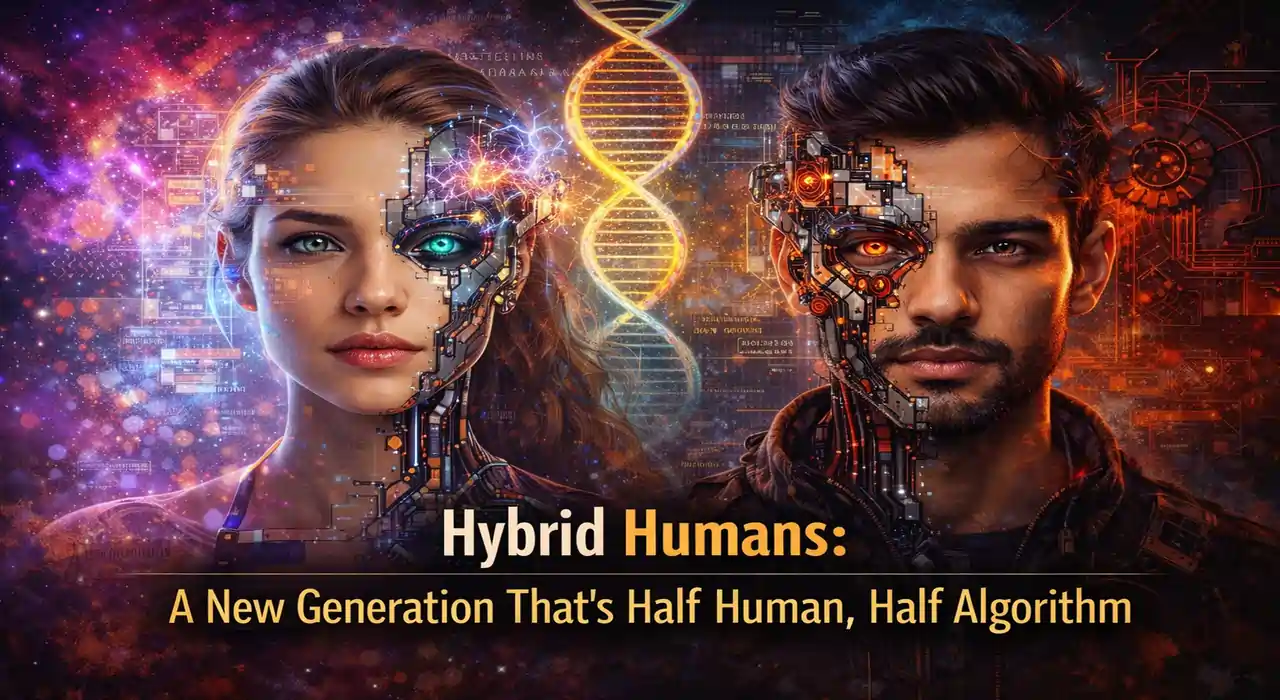 تأثیرات اجتماعی و آیندهپژوهی