مقدمه
تجربه کاربری (UX) دیگر یک انتخاب نیست، بلکه ضرورتی حیاتی برای بقا در دنیای دیجیتال است. آمارها نشان میدهند که 88% کاربران پس از یک تجربه بد، دیگر به یک وبسایت بازنمیگردند. در این میان، هوش مصنوعی بهعنوان یک تغییردهنده بازی ظاهر شده و راههای جدیدی برای خلق تجربیات کاربری استثنایی ارائه میدهد.
امروزه شاهد تحولی عمیق هستیم: از طراحیهای ایستا و یکسان برای همه، به سمت تجربیات هوشمند و پویا که با هر کاربر بهطور منحصربهفرد رفتار میکنند. این مقاله به بررسی عمیق نقش
هوش مصنوعی در تحول تجربه کاربری میپردازد و نشان میدهد چگونه این فناوری میتواند تفاوت میان یک محصول معمولی و یک محصول استثنایی باشد.
۱. شخصیسازی هوشمند: از توصیههای ساده تا تجربیات منحصربهفرد
شخصیسازی دیگر به معنای نمایش نام کاربر در صفحه نیست. امروزه هوش مصنوعی قادر است تجربهای کاملاً متفاوت برای هر کاربر خلق کند که انگار محصول فقط برای او طراحی شده است.
سیستمهای توصیه پیشرفته
Netflix نمونهای عالی از قدرت شخصیسازی است. الگوریتمهای
یادگیری ماشین این پلتفرم نهتنها تاریخچه تماشای شما را تحلیل میکنند، بلکه حتی در چه زمانی از روز چه نوع محتوایی را ترجیح میدهید، چقدر یک فیلم را تماشا کردهاید، و حتی در کدام صحنهها مکث کردهاید را میسنجند. نتیجه؟ 80% محتوایی که کاربران Netflix تماشا میکنند، از طریق سیستم توصیه این پلتفرم است.
Spotify با استفاده از
مدلهای زبانی هوش مصنوعی نهتنها سلیقه موسیقی شما را میشناسد، بلکه حتی حال و هوای شما را تشخیص میدهد. پلیلیست "Discover Weekly" که هر هفته بهروزرسانی میشود، با دقت 80% آهنگهایی را پیشنهاد میدهد که واقعاً دوست دارید، حتی اگر هرگز آنها را نشنیده باشید.
محتوای پویا و سازگار
Amazon از هوش مصنوعی برای تغییر کامل رابط کاربری بسته به هر فرد استفاده میکند. دو کاربر مختلف که همزمان وارد سایت میشوند، صفحات کاملاً متفاوتی میبینند:
- محصولات نمایش دادهشده
- ترتیب دستهبندیها
- پیشنهادات ویژه
- حتی رنگ و چیدمان برخی عناصر
این شخصیسازی منجر شده تا نرخ تبدیل Amazon حدود 35% بیشتر از میانگین صنعت باشد.
| پلتفرم | تکنیک شخصیسازی | نتیجه |
| Netflix | تحلیل رفتار تماشا و زمانبندی | 80% تماشا از طریق توصیهها |
| Spotify | تشخیص حال و هوا و سلیقه | دقت 80% در پیشنهادات |
| Amazon | رابط کاربری پویا | 35% افزایش نرخ تبدیل |
| LinkedIn | توصیه شغلی و محتوا | 60% افزایش تعامل کاربران |
پیشبینی نیازهای آینده
Google Maps با استفاده از هوش مصنوعی، حتی پیش از اینکه شما بخواهید، مقصد احتمالی شما را پیشنهاد میدهد. اگر هر روز صبح ساعت 8 به محل کار میروید، اپلیکیشن بهطور خودکار مسیر و زمان سفر را نشان میدهد و حتی در صورت ترافیک غیرمعمول، مسیرهای جایگزین پیشنهاد میکند.
۲. جستجوی صوتی و پردازش زبان طبیعی: آینده تعامل با دیجیتال
جستجوی صوتی دیگر یک قابلیت جانبی نیست؛ 50% از تمام جستجوها تا پایان امسال صوتی خواهند بود.
پردازش زبان طبیعی (NLP) به محصولات دیجیتال اجازه میدهد تا بهجای درک صرف کلمات، منظور واقعی کاربر را بفهمند.
درک معنای واقعی
Google Assistant اکنون قادر است مکالمات چندمرحلهای را درک کند. میتوانید بپرسید: "هوا چطوره؟" و سپس بگویید: "پس چتر لازم دارم؟" بدون اینکه نیاز باشد دوباره موضوع را توضیح دهید. این سیستم با استفاده از
مدلهای ترنسفورمر زمینه مکالمه را حفظ میکند.
دسترسپذیری فراگیر
Microsoft Office با ویژگی Dictate امکان تایپ صوتی با دقت بالای 95% را فراهم کرده است. این ابزار نهتنها برای افراد با معلولیت حرکتی مفید است، بلکه برای همه کسانی که میخواهند سریعتر کار کنند، انقلابی است. میتوانید یک ایمیل 500 کلمهای را در عرض دو دقیقه دیکته کنید.
تحلیل احساسات در زمان واقعی
Zendesk از AI برای تحلیل احساسات مشتریان در تماسهای تلفنی استفاده میکند. اگر سیستم تشخیص دهد که مشتری عصبانی است، بهطور خودکار تماس را به یک نماینده با تجربهتر منتقل میکند یا پیشنهادات ویژهای برای حل سریع مشکل ارائه میدهد.
۳. چتباتها و دستیاران مجازی: همیشه در دسترس، همیشه هوشمند
چتباتهای امروزی با نسل قبلی خود که فقط پاسخهای از پیش تعیینشده میدادند، قابل مقایسه نیستند.
ChatGPT و
Claude نشان دادهاند که AI میتواند مکالمات پیچیده و طبیعی داشته باشد.
پشتیبانی 24/7 با کیفیت انسانی
Intercom با چتبات هوشمند خود، 33% از تیکتهای پشتیبانی را بهطور خودکار حل میکند. اما نکته جالب اینجاست: رضایت کاربران از پاسخهای این چتبات تقریباً معادل پاسخهای نمایندگان انسانی است (4.2 از 5 در مقابل 4.4 از 5).
مثال واقعی: یک کاربر شب ساعت 2 به سایت یک فروشگاه آنلاین مراجعه میکند و میپرسد: "لپتاپی میخواهم برای طراحی گرافیک، بودجهام 2000 دلار است." چتبات نهتنها محصولات مناسب را پیشنهاد میدهد، بلکه میپرسد: "با چه نرمافزارهایی کار میکنید؟" و بسته به پاسخ (Photoshop، Blender، یا...) مشخصات فنی دقیقتری توصیه میکند.
یادگیری از هر تعامل
Drift از
یادگیری تقویتی برای بهبود مستمر چتبات خود استفاده میکند. هر بار که یک مکالمه به فروش یا حل مشکل منجر میشود، سیستم یاد میگیرد چه رویکردی موثرتر بوده است. در یک سال گذشته، نرخ تبدیل چتبات آنها 25% افزایش یافته است.
همکاری هوشمند با تیم انسانی
Ada قادر است تشخیص دهد چه زمانی باید مکالمه را به نماینده انسانی منتقل کند. اگر کاربر سه بار پرسش خود را تکرار کند یا کلماتی مانند "نماینده انسانی" را بهکار ببرد، چتبات بهطور هوشمند تماس را منتقل میکند و تمام تاریخچه مکالمه را در اختیار نماینده قرار میدهد تا کاربر مجبور نباشد از اول توضیح دهد.
۴. تحلیل رفتار و پیشبینی نیازها: خواندن ذهن کاربران
هوش مصنوعی با تحلیل میلیونها نقطه داده میتواند الگوهایی را کشف کند که برای انسان غیرممکن است.
نقشه حرارتی هوشمند
Hotjar با افزودن قابلیتهای AI به نقشههای حرارتی، نهتنها نشان میدهد کاربران کجا کلیک میکنند، بلکه چرا آنجا کلیک میکنند. سیستم میتواند تشخیص دهد که آیا کاربران به دنبال یک دکمه خاص میگردند که وجود ندارد، یا عنصری گمراهکننده است که باعث کلیکهای اضافی میشود.
پیشبینی ریزش کاربران
Mixpanel با استفاده از
یادگیری عمیق میتواند 7 روز قبل از ترک کاربر، احتمال ریزش او را پیشبینی کند. این به تیمها اجازه میدهد بهطور پیشگیرانه اقدام کنند: یک پیشنهاد ویژه، یک ایمیل شخصیسازی شده، یا حتی یک تماس تلفنی.
مطالعه موردی: یک سرویس استریمینگ موسیقی متوجه شد کاربرانی که در 3 روز متوالی کمتر از 10 دقیقه موسیقی گوش میدهند، احتمال 70% دارد که اشتراک خود را لغو کنند. با ارسال یک پلیلیست شخصیسازی شدهی "موسیقیهایی که فراموش کردهاید"، توانستند 40% از این کاربران را حفظ کنند.
بهینهسازی قیف فروش
Google Analytics 4 از
مدلهای پیشبینیکننده برای شناسایی کاربرانی که احتمال بیشتری برای خرید دارند استفاده میکند. این اطلاعات میتواند برای:
- نمایش پیشنهادات ویژه
- تخصیص بودجه تبلیغاتی هوشمندتر
- شخصیسازی صفحات محصول
| متریک | قبل از AI | بعد از AI | بهبود |
| نرخ تبدیل | 2.5% | 4.2% | +68% |
| زمان پاسخگویی | 12 دقیقه | 30 ثانیه | -96% |
| نرخ حفظ کاربر | 65% | 82% | +26% |
| رضایت مشتری | 3.8/5 | 4.6/5 | +21% |
۵. طراحی خودکار و تولید محتوا: همکاری خلاق انسان و ماشین
طراحی رابط کاربری هوشمند
Uizard با استفاده از AI میتواند یک اسکچ دستی را به یک رابط کاربری کاربردی تبدیل کند. کافی است یک طرح ساده روی کاغذ بکشید، عکس بگیرید، و سیستم آن را به یک طراحی حرفهای HTML/CSS تبدیل میکند.
Figma AI میتواند:
- خودکار ترجمه رابط کاربری به زبانهای مختلف
- پیشنهاد رنگهای مکمل بر اساس برند شما
- ایجاد نسخههای مختلف یک طراحی برای A/B Testing
- بهینهسازی فاصلهها و اندازهها بر اساس اصول طراحی
تولید محتوای متناسب با کاربر
Copy.ai برای تولید محتوای بازاریابی، از دادههای عملکرد قبلی استفاده میکند. اگر تیتری با نرخ کلیک بالاتری همراه بوده، سیستم یاد میگیرد چه عناصری (کلمات، طول، ساختار) موثرتر بودهاند.
Jasper AI میتواند محتوا را برای شخصیتهای مختلف مشتری تولید کند. یک شرکت B2B میتواند محتوای متفاوتی برای یک مدیرعامل (تمرکز بر ROI و استراتژی) و یک مدیر فنی (تمرکز بر ویژگیها و پیادهسازی) ایجاد کند.
تصاویر و ویدیوهای مناسب برند
Midjourney و
Stable Diffusion به برندها اجازه میدهند تصاویر منحصربهفرد بدون نیاز به عکاس یا بانک تصویر ایجاد کنند. اما نکته مهم: حفظ هویت بصری برند در تمام تصاویر.
- حذف پسزمینه بدون گرین اسکرین
- تغییر زمان روز در ویدیو
- اضافه کردن افکتهای حرفهای با یک کلیک
۶. دسترسپذیری فراگیر: طراحی برای همه
AI دسترسپذیری را از یک ویژگی اختیاری به یک استاندارد تبدیل کرده است.
زیرنویس و توضیحات خودکار
YouTube با AI خود، زیرنویس خودکار با دقت 95% تولید میکند. اما فراتر از آن،
Descript میتواند توضیح صوتی برای محتوای تصویری نیز ایجاد کند که برای افراد نابینا ضروری است.
خواندن صفحه برای نابینایان
Seeing AI از Microsoft میتواند:
- متن را شناسایی و بلند بخواند
- افراد و احساسات آنها را توصیف کند
- اسکناسها را تشخیص دهد
- محیط اطراف را توضیح دهد
Be My Eyes از
GPT-4 Vision برای کمک به افراد نابینا استفاده میکند. یک کاربر میتواند عکسی از یخچال خود بگیرد و بپرسد: "چه غذایی میتوانم با این مواد درست کنم؟" و دستیار AI نهتنها مواد را شناسایی میکند، بلکه دستور پخت نیز پیشنهاد میدهد.
تطبیق با انواع معلولیت
Microsoft Edge با قابلیت "Immersive Reader" میتواند:
- تغییر فونت و فاصله خطوط برای افراد با نارساخوانی
- برجسته کردن هر کلمه هنگام خواندن
- ترجمه به زبان سادهتر
- تبدیل متن به گفتار با سرعت قابل تنظیم
۷. امنیت و حریم خصوصی: محافظت هوشمند
Darktrace از AI برای ایجاد یک "سیستم ایمنی" دیجیتال استفاده میکند. اگر یک حساب کاربری ناگهان از موقعیت جغرافیایی غیرمعمول یا در ساعت غیرمعمول وارد شود، سیستم هشدار میدهد یا دسترسی را محدود میکند.
Auth0 از
یادگیری ماشین برای شناسایی الگوهای ورود مشکوک استفاده میکند:
- سرعت تایپ رمز عبور
- حرکات ماوس
- الگوی استفاده از اپلیکیشن
- دستگاههای معمول کاربر
احراز هویت چندعاملی هوشمند
1Password از AI برای تصمیمگیری زمان نیاز به احراز هویت دو مرحلهای استفاده میکند. اگر از دستگاه معمول و شبکه شناختهشده وارد شوید، نیازی به مرحله دوم نیست. اما اگر از VPN یا دستگاه جدید وارد شوید، سیستم امنیت بیشتری درخواست میکند.
Gmail با استفاده از
شبکههای عصبی میتواند ایمیلهای فیشینگ پیچیده را شناسایی کند که از لوگوهای واقعی شرکتها استفاده میکنند. سیستم نهتنها محتوا، بلکه ساختار کد HTML، هدرهای ایمیل، و الگوهای ارسال را تحلیل میکند.
۸. بهینهسازی عملکرد: سرعت و کارایی
Cloudflare با AI خود میتواند پیشبینی کند کدام صفحات کاربر احتمالاً بازدید خواهد کرد و آنها را از قبل بارگذاری میکند. این باعث میشود کاربر احساس کند سایت فوری بار میشود.
Netflix از
مدلهای پیشبینی برای دانلود قسمت بعدی سریال قبل از اینکه کاربر آن را انتخاب کند استفاده میکند. همین تکنیک باعث شده پخش فوری بدون بافرینگ امکانپذیر شود.
Cloudinary با AI میتواند بهترین فرمت و کیفیت تصویر را بر اساس دستگاه، سرعت اینترنت، و محتوای تصویر انتخاب کند. یک تصویر میتواند در دستگاههای مختلف با کیفیت یکسان اما حجمهای متفاوت نمایش داده شود.
۹. تست A/B خودکار و بهینهسازی مستمر
بهینهسازی همزمان چندمتغیره
Google Optimize 360 با AI میتواند بهجای تست دو نسخه، دهها ترکیب مختلف از عناصر را همزمان تست کند:
- رنگ دکمه
- متن دکمه
- موقعیت دکمه
- تصویر هدر
- عنوان صفحه
و خودکار بهترین ترکیب را برای هر گروه کاربری پیدا کند.
Optimizely میتواند در حین اجرای کمپین، تغییرات را اعمال کند. اگر یک نسخه بعد از 1000 بازدیدکننده نتایج بهتری دارد، سیستم بهطور خودکار ترافیک بیشتری به آن نسخه هدایت میکند.
۱۰. تجربه کاربری متاورسی و واقعیت افزوده
راهنمایی با واقعیت افزوده
IKEA Place با AR و AI میتواند مبلمان را در فضای واقعی خانه شما قرار دهد. اما AI فراتر میرود: به شما میگوید آیا مبل از در اتاق رد میشود، آیا رنگ آن با دیگر وسایل هماهنگ است، و حتی پیشنهاد چیدمان میدهد.
L'Oréal با اپلیکیشن ModiFace میتواند رنگ مو، آرایش، و حتی پیرسازی پوست را بهطور واقعگرایانه شبیهسازی کند. AI میتواند بر اساس نوع پوست و رنگ موی طبیعی شما، بهترین محصولات را توصیه کند.
Spatial.io از AI برای ایجاد آواتارهای سهبعدی واقعگرایانه استفاده میکند که حرکات صورت و لبخوانی را بهطور دقیق شبیهسازی میکنند. این برای جلسات کاری در
متاورس انقلابی است.
۱۱. آینده UX با هوش مصنوعی
رابطهای کاربری پیشبینیکننده
تصور کنید یک اپلیکیشن که قبل از اینکه شما دکمهای بزنید، میداند چه میخواهید. مثلاً: اپلیکیشن بانکی که با دیدن شما در یک رستوران، خودکار صفحه پرداخت را باز میکند.
AI آینده نهتنها رفتار، بلکه احساسات شما را نیز درک میکند.
هوش مصنوعی احساسی میتواند از لحن صدا، حرکات صورت، و حتی ضربان قلب (از طریق ساعت هوشمند) حالت شما را تشخیص دهد و تجربه را متناسب سازد.
شخصیسازی عمیق نیازمند جمعآوری دادههای زیاد است. کسبوکارها باید تعادل بین تجربه بهتر و احترام به حریم خصوصی را رعایت کنند.
GDPR و قوانین مشابه این موضوع را تحت نظارت قرار دادهاند.
اگر دادههای آموزشی AI تعصب داشته باشند، سیستم نیز تعصب خواهد داشت.
اخلاق در هوش مصنوعی باید در تمام مراحل طراحی در نظر گرفته شود.
خطر از دست دادن تماس انسانی واقعی وجود دارد. بهترین تجربیات، ترکیبی از کارایی AI و همدلی انسانی هستند.
ابزارها و فناوریهای کلیدی برای پیادهسازی
برای کسبوکارهایی که میخواهند AI را در UX خود پیادهسازی کنند:
برای تحلیل:
- Google Analytics 4 با قابلیتهای پیشبینی
- Amplitude با تحلیل رفتار کاربر
هوش مصنوعی دیگر آینده UX نیست؛ حال آن است. کسبوکارهایی که امروز از این فناوری استفاده نمیکنند، در حال از دست دادن مزیت رقابتی هستند.
آمارهای کلیدی:
- 80% از کسبوکارها تا پایان امسال AI را در استراتژی UX خود گنجاندهاند
- تجربیات شخصیسازی شده منجر به 40% افزایش در رضایت مشتری میشوند
- چتباتهای AI میتوانند هزینههای پشتیبانی را تا 30% کاهش دهند
اما نکته مهم این است: AI ابزار است، نه جایگزین. بهترین تجربیات کاربری زمانی خلق میشوند که کارایی AI با درک عمیق انسانی از نیازها و احساسات ترکیب شود. موفقیت در آینده UX متعلق به کسانی است که این تعادل را پیدا کنند.
حالا نوبت شماست: کدام قابلیتهای AI را در محصول خود پیادهسازی میکنید؟ از
تحلیل دادهها شروع کنید، نیازهای واقعی کاربران را بشناسید، و سپس راهحلهای هوشمند طراحی کنید که واقعاً مشکلات را حل میکنند.



 ابزارهای تولید محتوای خلاقانه
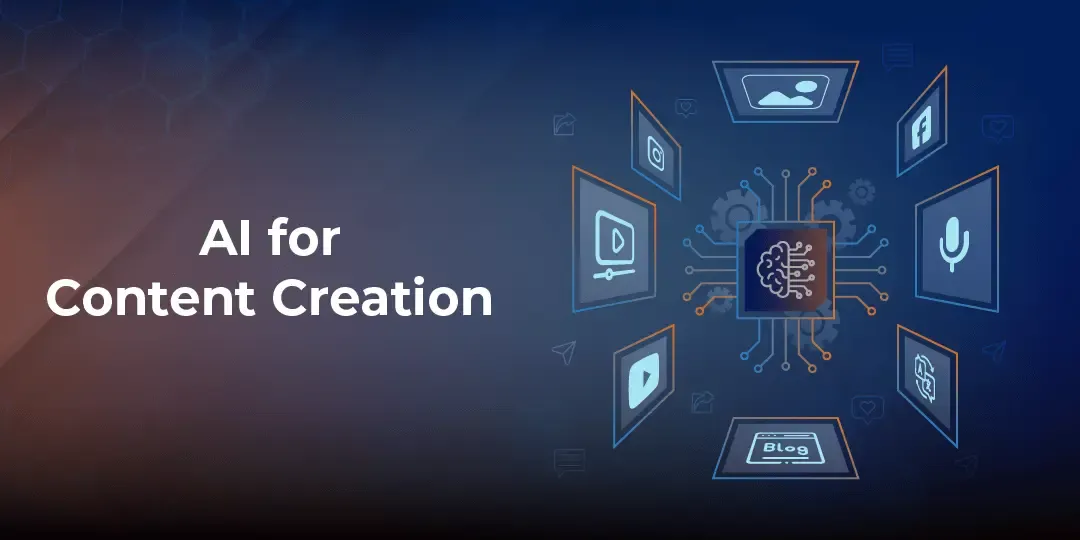 ابزارهای تولید محتوای خلاقانه
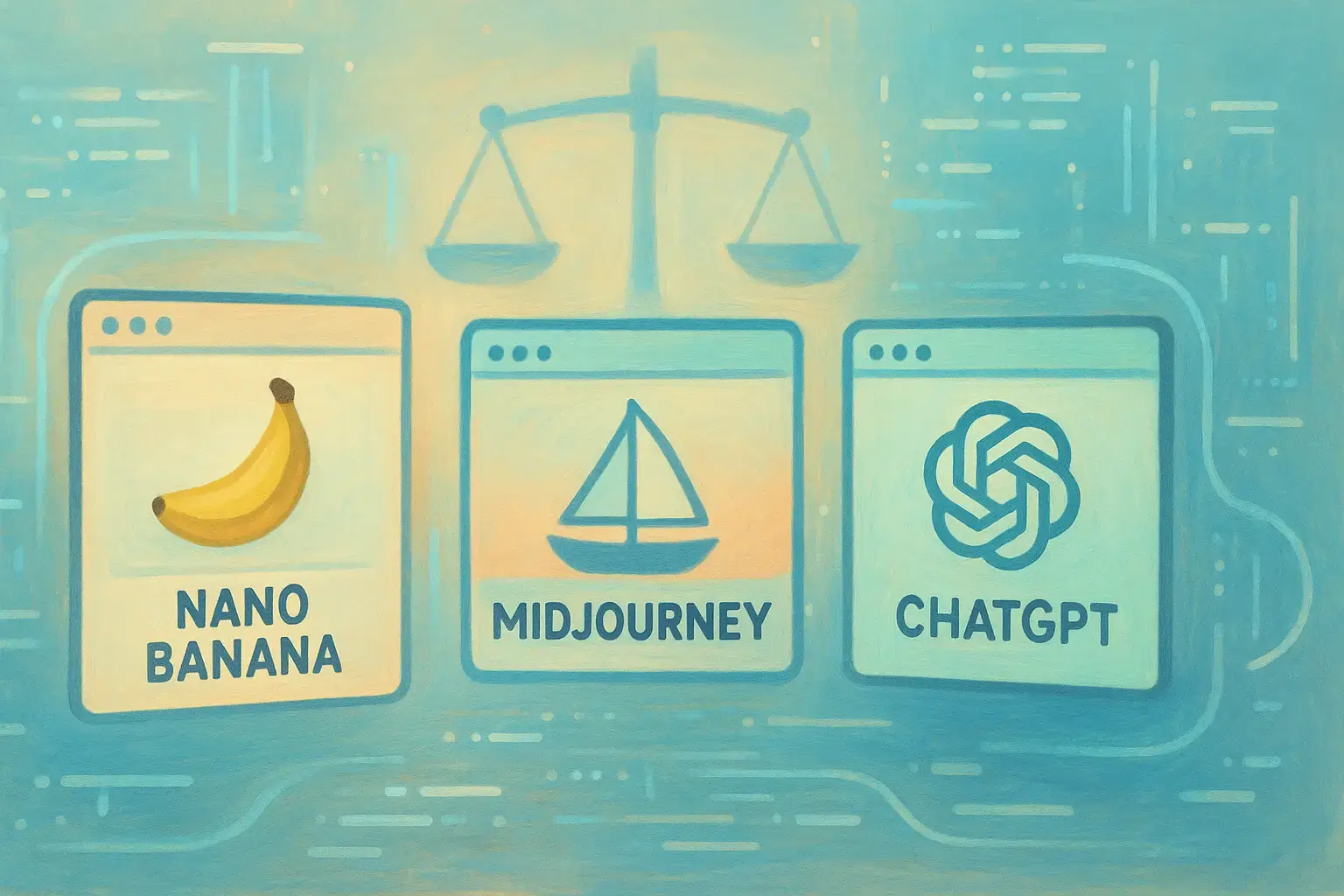 ابزارهای تولید محتوای خلاقانه
 ابزارهای تولید محتوای خلاقانه
 ابزارهای تولید محتوای خلاقانه
 ابزارهای تولید محتوای خلاقانه