مقدمه
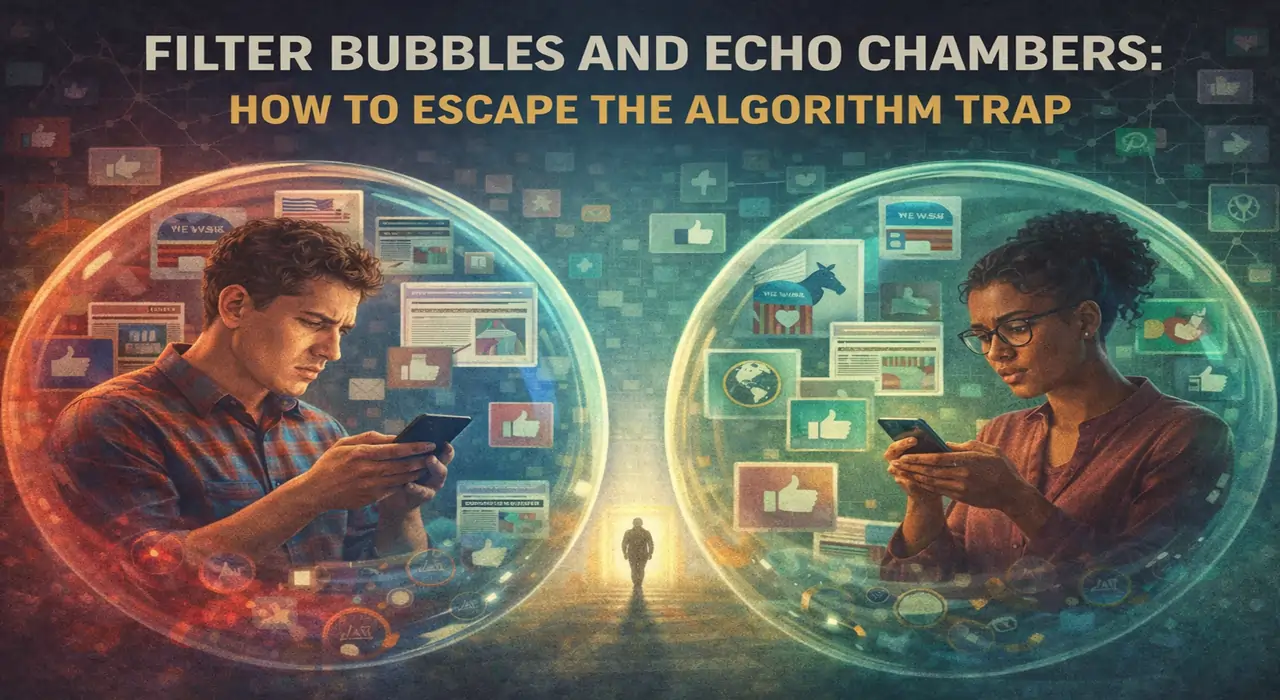
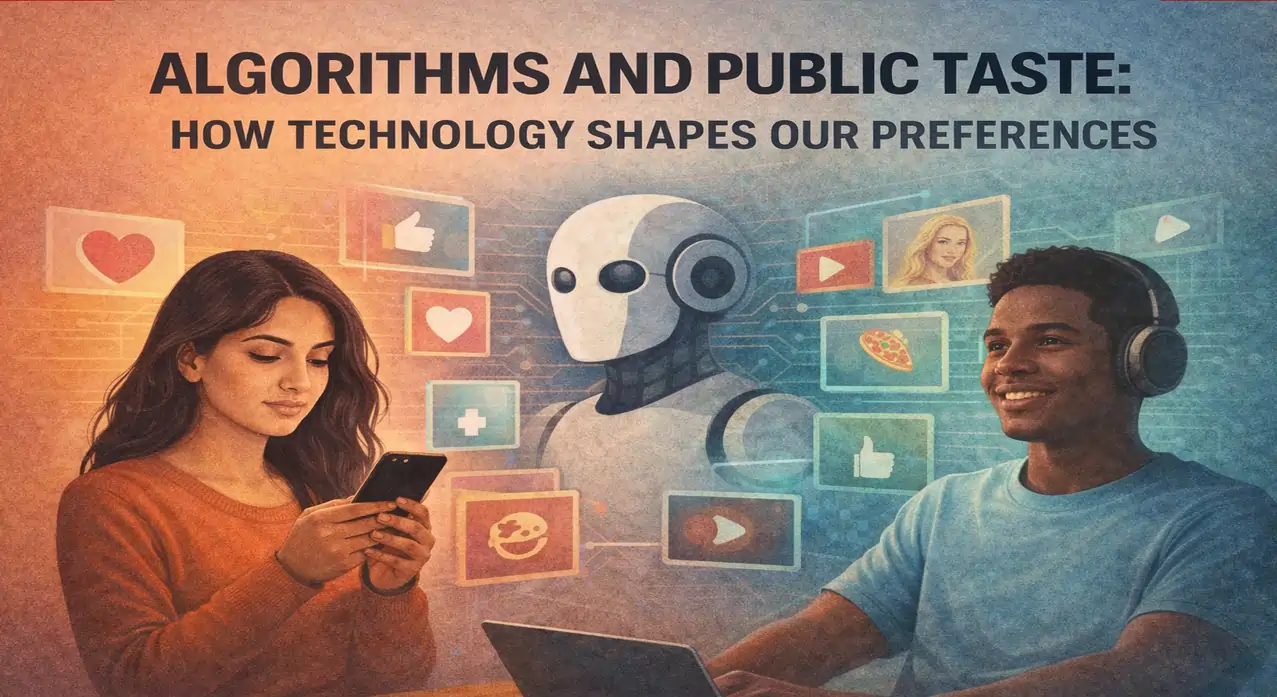
هر روز با باز کردن گوشی هوشمند خود، وارد دنیایی میشوید که دقیقاً مطابق میل شماست - اخبار، مقالات، ویدیوها، و پستهایی که همگی با نظرات و باورهای شما همخوانی کامل دارند. در نگاه اول، این یک تجربه عالی به نظر میرسد. اما واقعیت این است که شما در یک
"حباب فیلتر" (Filter Bubble) محبوس شدهاید - دنیایی موازی که
الگوریتمهای هوش مصنوعی برای شما ساختهاند.
حباب فیلتر و "اتاق پژواک" (Echo Chamber) دو پدیده مرتبط اما متفاوت هستند که امروزه به یکی از بزرگترین چالشهای دنیای دیجیتال تبدیل شدهاند. این پدیدهها نه تنها بر سلیقه شخصی شما تأثیر میگذارند، بلکه میتوانند دیدگاههای سیاسی، اجتماعی، و حتی علمی شما را تحت تأثیر قرار دهند. آنها باعث قطببندی اجتماعی، گسترش اطلاعات نادرست، و فرسایش گفتگوی سازنده میشوند.
در این مقاله عمیق، نه تنها به بررسی میپردازیم که حباب فیلتر و اتاق پژواک چیستند و چگونه کار میکنند، بلکه بیشترین تمرکز را روی راهکارهای عملی و استراتژیهای مشخص برای فرار از این دام میگذاریم. شما یاد خواهید گرفت که چگونه کنترل اطلاعاتی که دریافت میکنید را به دست بگیرید و از یک دنیای دیجیتال متنوعتر و سالمتر بهرهمند شوید.
حباب فیلتر چیست؟ تعریف و مفهوم
تاریخچه و پیدایش مفهوم
مفهوم
حباب فیلتر اولین بار توسط فعال اینترنتی به نام الای پاریسر (Eli Pariser) در سال ۲۰۱۱ مطرح شد. او در کتاب معروف خود به نام "The Filter Bubble" توضیح داد که چگونه
الگوریتمهای یادگیری ماشین به تدریج ما را در حبابی از اطلاعات شخصیسازی شده محبوس میکنند.
پاریسر متوجه شد که وقتی از گوگل جستجو میکرد، نتایجش کاملاً متفاوت از نتایج دوستانش بود - حتی برای همان کلمه کلیدی. این اتفاق به خاطر این بود که گوگل بر اساس تاریخچه جستجوها، مکان جغرافیایی، نوع دستگاه، و صدها فاکتور دیگر، نتایج را شخصیسازی میکرد. به این ترتیب، هر کس در حباب اطلاعاتی خودش زندگی میکرد.
چگونه حباب فیلتر کار میکند؟
حباب فیلتر محصول مستقیم
الگوریتمهای شخصیسازی است که در پلتفرمهای دیجیتال استفاده میشوند. این الگوریتمها با استفاده از
تحلیل دادههای کلان و تکنیکهای
یادگیری نظارتشده، پروفایل دقیقی از شما میسازند.
فرآیند به این صورت است:
۱. جمعآوری داده: پلتفرم هر تعامل شما را ثبت میکند - کلیکها، لایکها، زمان توقف، اسکرولها، جستجوها، و حتی چیزهایی که نمیخوانید یا رد میکنید.
۳. پیشبینی ترجیحات: الگوریتم با استفاده از
مدلهای پیشبینی حدس میزند که چه محتوایی را دوست خواهید داشت.
۴. فیلترکردن محتوا: محتوایی که احتمالاً با آن تعامل نخواهید داشت، اصلاً به شما نشان داده نمیشود.
۵. تقویت حباب: هر بار که با محتوای پیشنهادی تعامل میکنید، الگوریتم مطمئنتر میشود که در مسیر درستی است، و حباب محکمتر میشود.
این یک حلقه بازخورد مثبت است که به سرعت قویتر میشود. نتیجه؟ شما دیگر محتوای متنوع نمیبینید - فقط آنچه را که الگوریتم فکر میکند دوست دارید.
اتاق پژواک چیست؟ تفاوت با حباب فیلتر
تعریف اتاق پژواک
اتاق پژواک محیطی است که در آن باورها و ایدههای مشابه به طور مداوم تکرار، تقویت، و تشدید میشوند - درست مثل یک اتاق که صدا در آن بازتاب میشود. در اتاق پژواک، شما فقط با افرادی در تماس هستید که نظرات مشابه شما دارند، و دیدگاههای مخالف اصلاً شنیده نمیشود.
تفاوت کلیدی: حباب فیلتر vs اتاق پژواک
اگرچه این دو مفهوم اغلب به جای هم استفاده میشوند، اما تفاوتهای مهمی دارند:
| ویژگی | حباب فیلتر | اتاق پژواک |
| منشأ | الگوریتمها و شخصیسازی | انتخاب فردی و گروههای اجتماعی |
| کنترل | بیرون از کنترل مستقیم کاربر | تا حدی قابل کنترل (انتخاب فالو) |
| نوع محتوا | هر نوع محتوا (خبر، سرگرمی، خرید) | بیشتر مباحث عقیدتی و سیاسی |
| مکانیزم | فیلترکردن محتوای ناسازگار | تقویت و تشدید باورهای موجود |
| آگاهی کاربر | اغلب ناآگاه - پنهان است | ممکن است آگاه باشد اما اهمیت ندهد |
| پلتفرم اصلی | گوگل، فیسبوک، یوتیوب، تیکتاک | توییتر، تلگرام، ردیت، گروههای فیسبوک |
| شدت تأثیر | تدریجی و نامحسوس | سریع و شدید |
در عمل، این دو پدیده اغلب با هم کار میکنند. حباب فیلتر محتوای مخالف را فیلتر میکند، و اتاق پژواک باورهای موجود را تقویت میکند. نتیجه؟ یک جامعه قطبیشده که در آن گروههای مختلف دیگر نمیتوانند با هم ارتباط برقرار کنند.
چرا حباب فیلتر خطرناک است؟ تأثیرات واقعی
۱. قطببندی سیاسی و اجتماعی
یکی از خطرناکترین تأثیرات حباب فیلتر، قطببندی شدید جامعه است. وقتی افراد فقط اطلاعاتی را میبینند که با باورهایشان سازگار است، دیدگاههایشان شدیدتر میشود و کمتر مایل به مصالحه هستند.
مثال واقعی: در انتخابات اخیر در کشورهای مختلف، دیده شده که طرفداران احزاب مختلف عملاً در دنیاهای اطلاعاتی جداگانهای زندگی میکنند. آنچه که یک طرف به عنوان "حقیقت" میبیند، طرف دیگر اصلاً نمیبیند - و بالعکس. این موضوع با پدیده
شبکههای اجتماعی تشدید شده است.
۲. گسترش اطلاعات نادرست و دیساینفورمیشن
حباب فیلتر محیط ایدهآلی برای گسترش اطلاعات نادرست است. وقتی یک خبر جعلی وارد حباب میشود، به سرعت بین افرادی که باورهای مشابه دارند پخش میشود - و هیچکس آن را به چالش نمیکشد.
الگوریتمها به طور خاص محتوای
احساسی و جنجالی را ترویج میدهند، چون تعامل بیشتری دارد. متأسفانه، اخبار جعلی معمولاً احساسیتر و جنجالیتر از حقیقت هستند. این موضوع با
توهمزایی در مدلهای زبانی نیز مرتبط است.
۳. کاهش همدلی و درک متقابل
وقتی هرگز با دیدگاههای مخالف مواجه نمیشوید، توانایی درک دیگران را از دست میدهید. افرادی که در حبابهای مختلف زندگی میکنند، به تدریج یکدیگر را نه به عنوان افرادی با نظرات متفاوت، بلکه به عنوان "دشمن" میبینند.
۴. محدودیت در یادگیری و رشد فکری
یادگیری واقعی زمانی اتفاق میافتد که با ایدههای جدید و گاهی ناراحتکننده مواجه میشوید. حباب فیلتر این فرصت را از شما میگیرد. شما در یک اتاق پژواک فکری محبوس میشوید که در آن هیچ چالشی برای باورهای شما وجود ندارد.
۵. تأثیر بر سلامت روان
پژوهشها نشان دادهاند که زندگی در حبابهای فیلتر میتواند منجر به
افزایش اضطراب و افسردگی شود. چرا؟ زمانی که فقط اخبار منفی دربارهی جهان را میبینید (اخباری که الگوریتمها بهدلیل تعامل بالاتر آنها را بیشتر ترویج میکنند)، تصویری تحریفشده از واقعیت در ذهن شما شکل میگیرد. این موضوع با
وابستگی شناختی به هوش مصنوعی و
اعتیاد دیجیتال مرتبط است؛ مسائلی که میتوانند تأثیرات جدی بر سلامت روان داشته باشند.
نشانههای اینکه در حباب فیلتر هستید
چگونه میتوانید بفهمید که در حباب فیلتر هستید؟ در اینجا نشانههای کلیدی آورده شده است:
۱. همه چیز موافق نظر شماست: اگر اکثر محتوایی که میبینید با باورهای شما سازگار است و به ندرت با دیدگاه مخالف مواجه میشوید، احتمالاً در حباب هستید.
۲. تعجب از نظرات دیگران: وقتی با دیگران صحبت میکنید و متوجه میشوید آنها اطلاعات کاملاً متفاوتی دارند که شما اصلاً از آن خبر نداشتید.
۳. احساس تأیید مداوم: اگر احساس میکنید همه در فضای آنلاین با شما موافق هستند و نظرات شما مدام تأیید میشود.
۴. نتایج جستجوی یکنواخت: وقتی یک موضوع بحثبرانگیز را جستجو میکنید و همه نتایج از یک طرف ماجرا هستند.
۵. خشم نسبت به دیدگاههای مخالف: اگر متوجه میشوید که واکنش شدیدی نسبت به نظرات مخالف دارید - حتی قبل از آنکه آنها را کامل بشنوید.
۶. تکبعدی بودن فید: اگر فید شبکههای اجتماعی شما فقط یک نوع محتوا دارد - مثلاً فقط خبرهای منفی، یا فقط محتوای انگیزشی، یا فقط میمهای خندهدار.
استراتژیهای عملی برای فرار از حباب فیلتر
سطح اول: تغییرات ساده و فوری
۱. پاک کردن کوکیها و تاریخچه
سادهترین راه برای شروع، پاک کردن کوکیها و تاریخچه مرورگر است. این کار الگوریتم را "ریست" میکند و محتوای تازهتری به شما نشان میدهد.
چگونه انجام دهیم:
- در کروم: Settings > Privacy and security > Clear browsing data
- در فایرفاکس: Options > Privacy & Security > Clear Data
- در سافاری: Preferences > Privacy > Manage Website Data > Remove All
این کار را ماهی یکبار انجام دهید تا از انباشته شدن دادههای شخصیسازی جلوگیری کنید.
۲. استفاده از حالت Incognito یا Private Browsing
برای جستجوهای مهم، از حالت ناشناس استفاده کنید. در این حالت، مرورگر تاریخچه را ذخیره نمیکند و شخصیسازی به حداقل میرسد.
نکته مهم: این کار شما را از ردیابی تبلیغاتی محافظت نمیکند، اما تأثیر شخصیسازی الگوریتم را کاهش میدهد.
۳. تغییر تنظیمات شخصیسازی پلتفرمها
اکثر پلتفرمها گزینههایی برای کنترل شخصیسازی دارند:
در یوتیوب:
- به Settings > History & privacy بروید
- گزینه "Pause watch history" و "Pause search history" را فعال کنید
- یا به history.google.com بروید و تاریخچه را پاک کنید
در گوگل:
- به myactivity.google.com بروید
- گزینه "Web & App Activity" را غیرفعال کنید
- تاریخچه موجود را پاک کنید
در فیسبوک:
- به Settings > Privacy > Off-Facebook Activity بروید
- گزینه "Clear History" را بزنید
- Future off-Facebook activity را disconnect کنید
۴. خاموش کردن تبلیغات هدفمند
تبلیغات هدفمند نه تنها آزاردهنده هستند، بلکه نشاندهنده عمق شخصیسازی هستند.
برای اندروید:
- Settings > Google > Ads
- گزینه "Opt out of Ads Personalization" را فعال کنید
برای iOS:
- Settings > Privacy > Apple Advertising
- گزینه "Personalized Ads" را غیرفعال کنید
سطح دوم: تغییرات عادتهای دیجیتال
۵. جستجو در موتورهای جستجوی جایگزین
گوگل شخصیسازی شدیدی دارد. به جای آن از موتورهای جستجوی دیگر استفاده کنید:
- DuckDuckGo: هیچ ردیابی نمیکند و نتایج شخصیسازی نشده ارائه میدهد
- Startpage: از نتایج گوگل استفاده میکند اما بدون ردیابی
- Brave Search: موتور جستجوی متنباز با حریم خصوصی بالا
- Perplexity AI: جستجوگر مبتنی بر هوش مصنوعی با نتایج متنوع
۶. دنبال کردن منابع متنوع
یکی از مؤثرترین راهها، عمداً منابعی را دنبال کنید که با شما مخالف هستند. این کار سخت است چون طبیعتاً ما دوست داریم با افرادی که با ما موافق هستند وقت بگذرانیم - اما ضروری است.
استراتژی عملی:
- اگر معمولاً از رسانههای چپگرا استفاده میکنید، یک رسانه راستگرا را هم دنبال کنید
- اگر فقط خبرهای داخلی میخوانید، رسانههای بینالمللی را هم ببینید
- از نشریات علمی و آکادمیک استفاده کنید که به دادهها و تحقیقات متکی هستند
۷. استفاده از RSS Feeds و خبرخوانها
به جای اتکا به الگوریتمها، خودتان منابع اطلاعاتی خود را انتخاب کنید. RSS Feeds به شما اجازه میدهد بدون واسطه الگوریتم، مستقیماً محتوای سایتهای مورد نظر را دریافت کنید.
ابزارهای پیشنهادی:
- Feedly: خبرخوان محبوب با امکان دستهبندی
- Inoreader: ابزار قدرتمند با امکانات پیشرفته
- NewsBlur: متنباز و با جامعه فعال
۸. تعامل متفاوت با محتوا
الگوریتمها از رفتار شما یاد میگیرند. پس رفتار خود را تغییر دهید:
- کلیک نکنید روی محتوای احساسی: حتی اگر جالب به نظر میرسد، از کلیک روی تیترهای clickbait خودداری کنید
- محتوای متنوع را لایک کنید: عمداً با محتوایی که معمولاً نمیبینید تعامل داشته باشید
- از "Not Interested" استفاده کنید: وقتی محتوایی را نمیخواهید، به الگوریتم بگویید
- کانالها و صفحات متنوع را سابسکرایب کنید: حتی اگر همیشه آنها را نمیبینید
سطح سوم: ابزارها و تکنولوژیهای پیشرفته
۹. استفاده از VPN و تغییر مکان
الگوریتمها محتوا را بر اساس مکان جغرافیایی شما شخصیسازی میکنند. با استفاده از VPN میتوانید مکان خود را تغییر دهید و محتوای متفاوتی ببینید.
VPNهای پیشنهادی:
- ProtonVPN: رایگان و امن
- Mullvad: بدون نیاز به ایمیل، حریم خصوصی بالا
- NordVPN: سریع و قابل اعتماد
نکته: برای دیدن محتوای متنوع، مکان VPN را به کشورهای مختلف تغییر دهید.
۱۰. نصب افزونههای مرورگر ضد-ردیابی
افزونههایی وجود دارند که از ردیابی شما جلوگیری میکنند:
- uBlock Origin: بلاک کردن تبلیغات و ردیابها
- Privacy Badger: توسط EFF ساخته شده، ردیابها را مسدود میکند
- ClearURLs: پارامترهای ردیابی را از URLها حذف میکند
- Decentraleyes: از ردیابی CDN جلوگیری میکند
۱۱. استفاده از مرورگرهای محافظ حریم خصوصی
برخی مرورگرها به طور پیشفرض حریم خصوصی را در اولویت قرار میدهند:
- Brave: مسدودکننده تبلیغات و ردیاب داخلی
- Firefox (با تنظیمات سختگیرانه): متنباز و قابل تنظیم
- Tor Browser: برای حداکثر ناشناسی (اما کند است)
۱۲. ابزارهای مقایسه نتایج جستجو
ابزارهایی وجود دارند که به شما نشان میدهند چگونه نتایج برای افراد مختلف متفاوت است:
- Search Atlas: نتایج جستجو را از مکانهای مختلف مقایسه میکند
- Google Search Comparison: نتایج شخصیسازی شده vs غیرشخصی
سطح چهارم: تغییرات رفتاری و ذهنی
۱۳. تمرین شک سازنده
بزرگترین سلاح علیه حباب فیلتر، تفکر انتقادی است. هر وقت با اطلاعاتی مواجه میشوید، از خودتان بپرسید:
- منبع این اطلاعات کیست؟
- آیا منابع دیگر هم همین را میگویند؟
- آیا این اطلاعات با پیشفرضهای من سازگار است؟ اگر بله، چرا؟
- طرف مقابل چه میگوید؟
- آیا شواهد قوی برای این ادعا وجود دارد؟
این تمرین به شما کمک میکند که حتی در حباب فیلتر، آگاهانهتر باشید.
۱۴. قانون "۳ منبع"
برای هر خبر یا اطلاعات مهم، حداقل سه منبع مستقل چک کنید - و ترجیحاً از طیفهای مختلف سیاسی یا ایدئولوژیک. اگر سه منبع مستقل همان داستان را تأیید کنند، احتمال صحت بیشتر است.
۱۵. تعامل واقعی با افراد واقعی
یکی از بهترین راهها برای فرار از حباب دیجیتال، ارتباط با افراد واقعی است - افرادی که دیدگاههای متفاوت دارند.
- به گفتگوهای واقعی (نه آنلاین) بپردازید
- با افرادی که با آنها مخالف هستید، با احترام صحبت کنید
- به محافل و رویدادهایی بروید که متنوع هستند
- از دوستان خود بپرسید چه چیزهایی میبینند که شما نمیبینید
۱۶. رژیم اطلاعاتی و دیتوکس دیجیتال
گاهی اوقات، بهترین راه برای شکستن حباب، فاصله گرفتن کامل است. یک "دیتوکس دیجیتال" دورهای میتواند بسیار مفید باشد:
- یک هفته در ماه از شبکههای اجتماعی دور باشید
- به جای اسکرول کردن، کتاب بخوانید
- پادکستهای متنوع گوش دهید
- با افراد واقعی وقت بگذرانید
استراتژیهای پیشرفته برای کاربران حرفهای
۱۷. ساخت پروفایلهای چندگانه
یک روش پیشرفته این است که چندین پروفایل با ترجیحات مختلف بسازید. مثلاً:
- یک اکانت یوتیوب برای اخبار سیاسی
- یک اکانت برای علم و تکنولوژی
- یک اکانت برای سرگرمی
- یک اکانت "خنثی" برای کشف محتوای جدید
این کار به شما نشان میدهد که الگوریتم چگونه برای هر پروفایل متفاوت عمل میکند.
۱۸. استفاده از ابزارهای خودکار برای تنوع
برخی ابزارها میتوانند به طور خودکار محتوای متنوع را به فید شما اضافه کنند:
- Random Wikipedia: مقالات تصادفی ویکیپدیا را میخواند
- StumbleUpon (Mix): وبسایتهای تصادفی پیشنهاد میدهد
- Randomizer extensions: محتوای تصادفی نمایش میدهند
۱۹. مشارکت در جوامع متنوع
به جای اینکه فقط در گروههایی باشید که همه با شما موافق هستند، به جوامع متنوع بپیوندید:
- فورومهای بحث و گفتگو که دیدگاههای مختلف دارند
- سابردیتهایی که دیدگاههای متعادل ارائه میدهند (مثل r/NeutralPolitics)
- گروههای تلگرامی یا دیسکورد که قوانین سختگیرانه برای احترام دارند
۲۰. یادگیری در مورد الگوریتمها
- دورههای آنلاین در مورد AI Ethics
- مستندها درباره الگوریتمهای شبکههای اجتماعی (مثل "The Social Dilemma")
- مقالات علمی درباره تأثیرات اجتماعی الگوریتمها
- کتابهایی مثل "Weapons of Math Destruction" و "The Filter Bubble"
نقش پلتفرمها: چه باید بکنند؟
البته فشار نباید فقط بر دوش کاربران باشد. پلتفرمها نیز مسئولیت دارند:
شفافیت الگوریتمی
پلتفرمها باید
شفاف باشند که چگونه محتوا را رتبهبندی میکنند. کاربران حق دارند بدانند چرا چیزی به آنها نشان داده میشود. این موضوع با
هوش مصنوعی قابل تفسیر مرتبط است.
گزینههای کنترل کاربر
کاربران باید بتوانند:
- الگوریتم را کاملاً خاموش کنند
- سطح شخصیسازی را تنظیم کنند
- ببینند چه دادههایی درباره آنها جمعآوری شده
- درخواست حذف دادههای خود را بدهند
تنوع اجباری
الگوریتمها باید طراحی شوند که عمداً محتوای متنوع نشان دهند - حتی اگر کاربر آن را درخواست نکرده باشد.
کاهش تقویت محتوای افراطی
پلتفرمها باید الگوریتمهای خود را طوری تنظیم کنند که محتوای افراطی، نفرتپراکن، یا گمراهکننده را ترویج نکنند - حتی اگر تعامل بالایی دارند.
آینده: آیا حباب فیلتر بدتر میشود؟
با پیشرفت
هوش مصنوعی، حباب فیلتر ممکن است شدیدتر شود - یا بهتر. بستگی دارد چه راهی را انتخاب کنیم.
سناریوی بدبینانه: حبابهای افراطی
- ویدیوهایی که به صورت زنده برای شما تولید میشوند
- اخباری که کاملاً جعلی هستند اما باورپذیر
- دنیای مجازی که فقط باورهای شما را تأیید میکند
- آواتارهای دیجیتال که فقط حرف دلخواه شما را میزنند
این آیندهای است که باید از آن جلوگیری کنیم.
سناریوی خوشبینانه: هوش مصنوعی به عنوان پل
اما هوش مصنوعی میتواند ابزاری برای شکستن حبابها نیز باشد:
- ابزارهای AI که به شما نشان میدهند دیگران چه میبینند
- خلاصهسازهایی که دیدگاههای مختلف را به صورت منصفانه ارائه میدهند
- چتباتهایی که به شما کمک میکنند دیدگاه مخالف را درک کنید
- سیستمهای توصیهگری که تنوع را در اولویت قرار میدهند
ابزارهایی مثل
Claude و
ChatGPT میتوانند به شما کمک کنند دیدگاههای متفاوت را کشف کنید - اگر درست از آنها استفاده کنید.
نتیجهگیری: مسئولیت فرار از حباب
حباب فیلتر و اتاق پژواک واقعیتهای امروز دنیای دیجیتال هستند. اما شما مجبور نیستید در آنها زندگی کنید. با ترکیبی از آگاهی، ابزارهای مناسب، و تغییرات رفتاری، میتوانید از این دام فرار کنید.
نکات کلیدی که باید به خاطر بسپارید:
- آگاهی اولین قدم است: تا نفهمید در حباب هستید، نمیتوانید از آن فرار کنید
- کنترل در دست شماست: با تغییراتی در تنظیمات و عادات، میتوانید تأثیر الگوریتم را کاهش دهید
- تنوع ضروری است: عمداً به دنبال دیدگاههای مختلف بگردید - حتی اگر ناراحتکننده باشند
- تفکر انتقادی سلاح شماست: همیشه از خودتان بپرسید: "آیا این کل داستان است؟"
- تعامل واقعی مهم است: هیچ چیز جایگزین گفتگوی واقعی با افراد واقعی نمیشود
به یاد داشته باشید که هدف این نیست که کاملاً از تکنولوژی دور شوید - هدف این است که آگاهانه از آن استفاده کنید. الگوریتمها ابزارهای قدرتمندی هستند که میتوانند زندگی را آسانتر کنند - اما نباید بگذاریم دنیای ما را محدود کنند.
در نهایت، تنوع دیدگاهها، اطلاعات، و تجربیات چیزی است که ما را انسان میکند. حباب فیلتر این تنوع را از ما میگیرد. پس بیایید با تلاش آگاهانه، آن را پس بگیریم.
دنیای دیجیتال آینده به انتخابهای امروز ما بستگی دارد. بیایید دنیایی بسازیم که در آن تکنولوژی به ما کمک میکند تا افقهای خود را گسترش دهیم، نه آنکه در حبابهای کوچک محبوسمان کند.



 تأثیرات اجتماعی و آیندهپژوهی
 تأثیرات اجتماعی و آیندهپژوهی
 تأثیرات اجتماعی و آیندهپژوهی
 تأثیرات اجتماعی و آیندهپژوهی
 تأثیرات اجتماعی و آیندهپژوهی
 تأثیرات اجتماعی و آیندهپژوهی