مقدمه
نویسندهای ماهها روی رمانی کار میکند؛ هر کلمه را با وسواس انتخاب میکند و هر شخصیت را با صبر و عشق میپروراند. اما حالا یک مدل زبانی میتواند همان داستان را در چند دقیقه تولید کند. طراح گرافیکی که سالها برای تقویت نگاه بصری و مهارتهایش تلاش کرده، میبیند ابزارهایی مثل Midjourney در عرض چند ثانیه تصاویری خیرهکننده خلق میکنند. برنامهنویسی که شبها غرق کد میشود، ناگهان با سیستمی روبهروست که کدهای پیچیده را در یک چشم به هم زدن مینویسد.
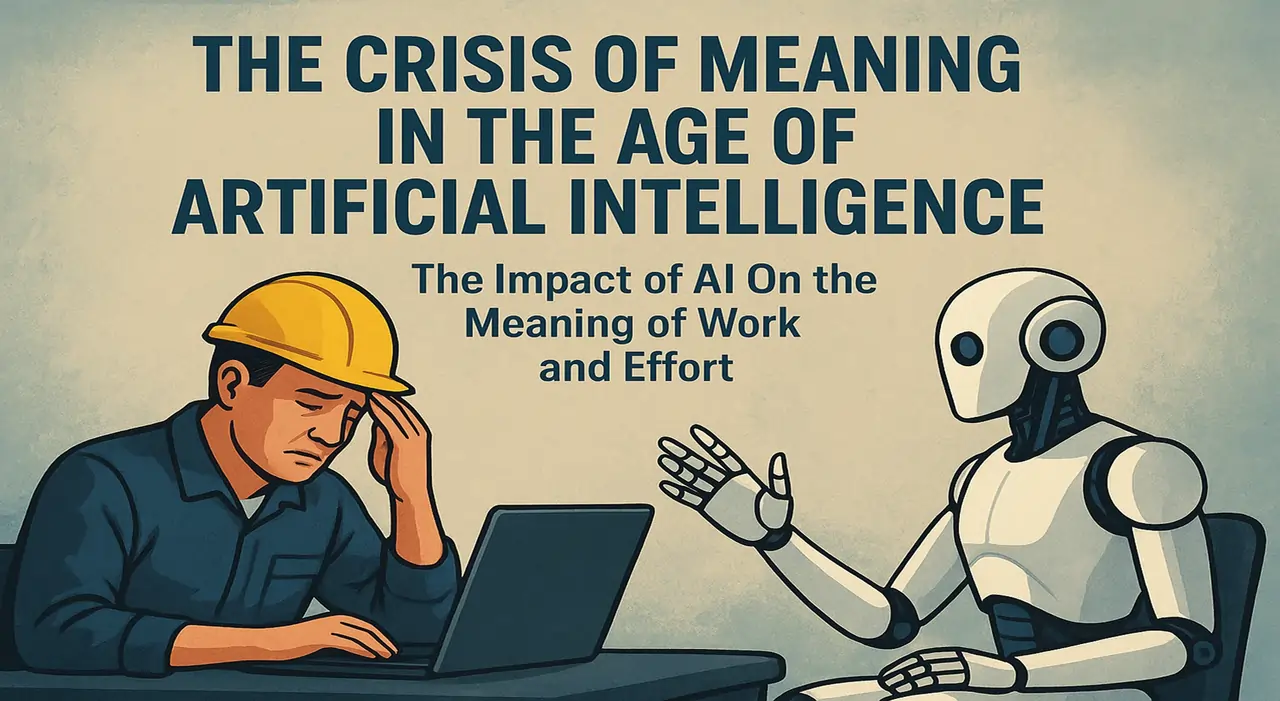
سوال اینجاست: وقتی ماشینها میتوانند همان کاری را که ما انجام میدهیم، سریعتر، بهتر و ارزانتر انجام دهند، آیا تلاشهای ما هنوز معنا دارند؟ این پرسش تنها یک نگرانی فلسفی نیست؛ این یک بحران وجودی است که میلیونها انسان را در سراسر جهان تحت تأثیر قرار داده است.
در این مقاله به عمق این بحران میپردازیم. نه با نگاهی سطحی و خوشبینانه بیپایه، بلکه با واقعبینی و درک عمیق از آنچه در حال رخ دادن است. میخواهیم بفهمیم چرا بسیاری احساس میکنند کارشان دیگر ارزشی ندارد، چرا خلاقیت تهدید شده، و مهمتر از همه، چگونه میتوانیم در این دنیای جدید معنا بیابیم.
چرخش پارادایم: از تولید به معنا
دنیای پیش از AI: هویت از طریق عمل
در طول تاریخ، انسانها هویت و ارزش خود را از طریق کارشان تعریف میکردند. یک نجار با ساختن یک میز، یک نویسنده با نوشتن یک کتاب، یک معلم با تربیت یک دانشآموز، به خود معنا میدادند. فرآیند خلق چیزی به اندازه خود محصول نهایی اهمیت داشت.
این چرخه ساده بود:
- تلاش → مهارت
- مهارت → خلق
- خلق → معنا
- معنا → هویت
یک آشپز که سالها صرف یادگیری روش درست پخت یک غذای فرانسوی میکرد، نه تنها غذا را میپخت، بلکه قسمتی از خودش را در آن آفریده بود.
دنیای امروز: هوش مصنوعی به عنوان خالق جایگزین
این تغییر، چرخه معنا را شکسته است:
- تلاش → صفر (AI انجام میدهد)
- مهارت → بیارزش (AI بهتر است)
- خلق → کالایی ارزان (AI بیشتر تولید میکند)
- معنا → ؟؟؟
بحران معنا در حوزههای مختلف
کار و شغل: وقتی کار شما "کافی خوب" نیست
یکی از واضحترین تأثیرات هوش مصنوعی،
تحول صنایع و مشاغل است. اما موضوع فقط از دست دادن شغل نیست؛
کاهش ارزش تلاش است.
مثال واقعی: طراح گرافیک
سارا، یک طراح گرافیک با ۱۰ سال تجربه، روزی ۸ ساعت طراحی میکرد. هر پروژه برایش یک ماجراجویی خلاقانه بود. حالا مشتریهایش میگویند: "چرا به تو ۵۰۰ دلار بدهیم وقتی
DALL-E یا
Flux AI در چند ثانیه همین کار را میکنند؟"
سارا همچنان میتواند طراحی کند، اما:
- درآمدش ۷۰٪ کاهش یافته
- مشتریهایش بیشتر AI را ترجیح میدهند
- احساس میکند مهارتهایش دیگر ارزشی ندارند
این همان بحران معنا است: وقتی آنچه سالها یاد گرفتهاید، دیگر ارزش بازاری ندارد.
| حوزه شغلی | پیش از AI | عصر AI |
| نویسندگی محتوا | ۱۰۰-۵۰۰ دلار/مقاله | ۱۰-۵۰ دلار/مقاله (AI) |
| برنامهنویسی | ۵۰-۱۵۰ دلار/ساعت | ۲۰-۶۰ دلار/ساعت (AI کمکی) |
| ترجمه | ۰.۱۰-۰.۳۰ دلار/کلمه | ۰.۰۱-۰.۰۵ دلار/کلمه (AI) |
| طراحی گرافیک | ۲۰۰-۲۰۰۰ دلار/پروژه | ۵۰-۵۰۰ دلار/پروژه (AI) |
خلاقیت: هنر بدون روح
بحران معنا در حوزه
خلاقیت و هنر عمیقتر است. هنر همیشه
بیان احساسات و تجربیات انسانی بوده است. اما حالا AI میتواند:
این مدل توانایی تولید ویدیوهای سینمایی با کیفیت حرفهای را دارد. کافی است بنویسید: "یک صحنه غمانگیز از یک پیرمرد که در پارک تنها نشسته" و Sora ویدیویی ۶۰ ثانیهای با موسیقی، نور و زاویه دوربین درست میسازد.
اما سوال اینجاست: آیا این ویدیو "هنر" است؟ آیا احساس واقعی دارد؟
یک کارگردان سینما ماهها فکر میکند، فیلمنامه مینویسد، بازیگر انتخاب میکند، صحنه میچیند. این فرآیند جزیی از هویت او است. اما AI این فرآیند را حذف میکند.
نتیجه: هنرمندان احساس میکنند کارشان بیمعنا شده، چون:
- هر کسی میتواند با یک پرامپت، "هنر" تولید کند
- فرآیند خلاقیت (که بخش اصلی معنا بود) حذف شده
- اثر هنری تبدیل به کالایی ارزان شده
تحصیل و یادگیری: چرا باید یاد بگیریم؟
مثال دانشجو:
علی، یک دانشجوی مهندسی کامپیوتر، ماهها وقت میگذارد تا الگوریتمهای پیچیده را یاد بگیرد. او شبها مینشیند و کد مینویسد. اما حالا میبیند که
Claude Sonnet 4.5 میتواند همان کدها را در ثانیهها بنویسد و حتی بهینهتر کند.
علی میپرسد: "چرا باید وقت بگذارم و یاد بگیرم، وقتی AI بهتر از من انجام میدهد؟"
این سوال، بحران معنا در یادگیری است:
- انگیزه یادگیری کاهش مییابد
- احساس "بیهودگی تلاش" رایج میشود
- دانشجویان از خود میپرسند: "آینده من چیست؟"
اما واقعیت این است که
یادگیری در عصر AI نه تنها معنا دارد، بلکه
ضروریتر از همیشه است. نه برای رقابت با AI، بلکه برای
همکاری با آن.
ریشههای روانشناختی بحران معنا
تئوری انگیزش درونی (Intrinsic Motivation)
طبق تئوری روانشناسی، انسانها به سه نیاز اساسی برای انگیزش درونی نیاز دارند:
- خودمختاری (Autonomy): احساس کنترل بر کارها
- شایستگی (Competence): احساس مهارت و توانایی
- ارتباط (Relatedness): احساس تعلق و ارتباط با دیگران
AI هر سه را تهدید میکند:
- خودمختاری: وقتی AI تصمیمات بهتری میگیرد، احساس کنترل از دست میرود
- شایستگی: وقتی AI بهتر از ما عمل میکند، احساس ناتوانی پیدا میکنیم
- ارتباط: وقتی روابط عاطفی با AI شکل میگیرد، روابط انسانی کمرنگ میشود
پارادوکس "افزایش کارایی، کاهش معنا"
یک پارادوکس جالب وجود دارد:
- AI کارایی را افزایش میدهد
- اما معنای کار را کاهش میدهد
مثال: یک نویسنده با استفاده از AI میتواند ۱۰ برابر سریعتر بنویسد. اما رضایت و لذت او از نوشتن کاهش مییابد، چون:
- فرآیند خلاقانه کوتاهتر شده
- احساس "من این را ساختم" کمتر است
- ارتباط عاطفی با متن کاهش یافته
این همان چیزی است که روانشناسان آن را "بحران معنا در بهرهوری" مینامند.
واکنشهای مختلف به بحران معنا
۱. انکار و مقاومت
برخی افراد AI را تهدید میبینند و سعی میکنند از آن دوری کنند:
- "من هرگز از AI استفاده نمیکنم"
- "کارهای دستی من ارزش بیشتری دارند"
مشکل: این رویکرد پایدار نیست. دنیا در حال تغییر است و مقاومت در برابر آن، فقط به عقبماندگی منجر میشود.
۲. تسلیم کامل
گروهی دیگر کاملاً به AI تکیه میکنند:
- "چرا خودم کاری کنم؟ AI بهتر انجام میدهد"
- استفاده افراطی از AI برای هر کار کوچک
مشکل: این منجر به
وابستگی شناختی میشود. مغز انسان مهارتهای خود را از دست میدهد و
توانایی تفکر عمیق کاهش مییابد.
۳. همکاری هوشمند (راه حل توصیهشده)
بهترین رویکرد، همکاری هوشمند با AI است:
- از AI برای کارهای تکراری و وقتگیر استفاده کنید
- خلاقیت، تفکر انتقادی و تصمیمگیری را خودتان انجام دهید
- AI را ابزار ببینید، نه جایگزین
مثال عملی:
یک نویسنده میتواند:
- از AI برای تحقیق اولیه و جمعآوری داده استفاده کند
- خودش ساختار، لحن و پیام اصلی را طراحی کند
- از AI برای ویرایش و بهبود دستور زبان استفاده کند
به این ترتیب، کارایی افزایش مییابد اما معنای کار حفظ میشود.
چگونه معنا را در عصر AI حفظ کنیم؟
۱. تمرکز بر فرآیند، نه فقط محصول
یکی از راههای حفظ معنا، ارزشگذاری بر فرآیند است. لذت خلق چیزی، نه فقط داشتن آن.
مثال: یک آشپز که با عشق غذا میپزد، لذت او از فرآیند پخت است، نه فقط خوردن غذا. همین رویکرد را با کارهایمان داشته باشیم.
۲. پیدا کردن معنای جدید در همکاری با AI
به جای دیدن AI به عنوان رقیب، آن را شریک ببینیم.
مثال: یک طراح میتواند:
- از Stable Diffusion برای ایدههای اولیه استفاده کند
- با دید خلاقانه خود، نتایج را بهبود دهد
- یک اثر هنری منحصر به فرد خلق کند که ترکیبی از AI و خلاقیت انسانی است
این رویکرد، معنای جدید ایجاد میکند: معنای هماهنگی انسان و ماشین.
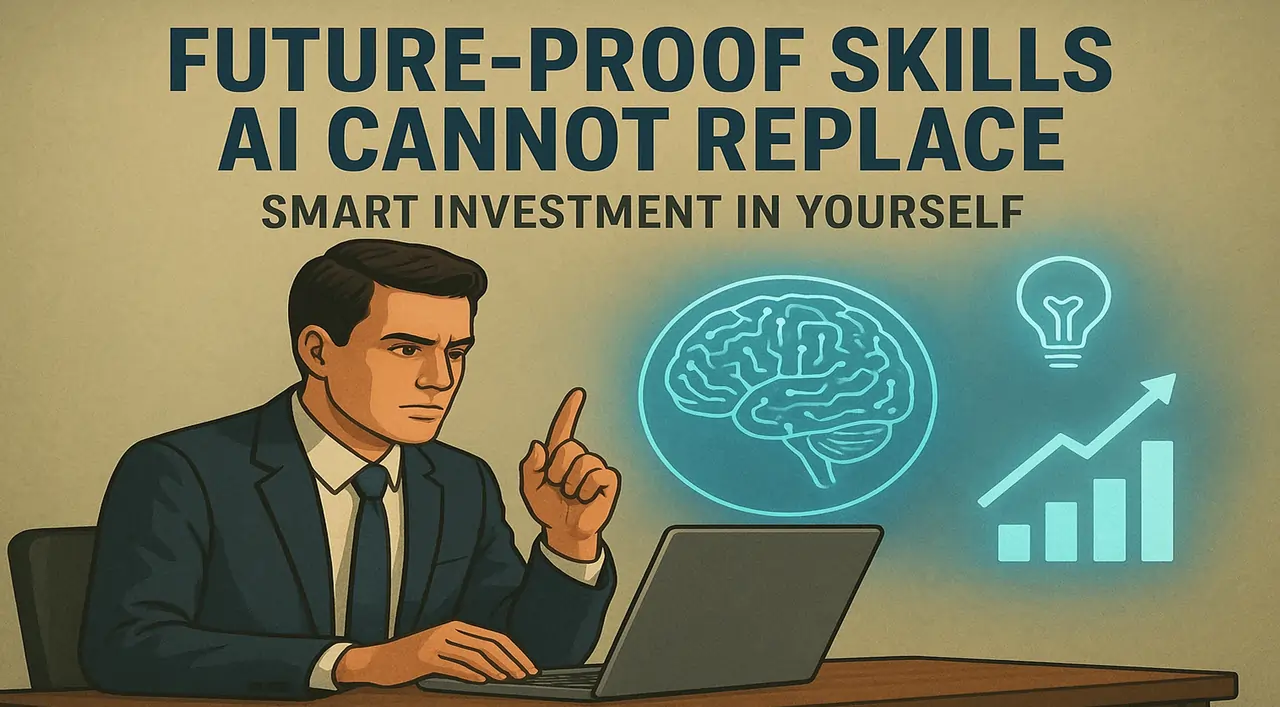
۳. سرمایهگذاری در مهارتهای انسانی
مهارتهایی که AI نمیتواند جایگزین کند:
- همدلی و درک احساسات: AI نمیتواند واقعاً احساس کند
- تفکر انتقادی و ارزشگذاری اخلاقی: AI بر اساس الگوها کار میکند، نه اخلاق
- رهبری و الهامبخشی: مدیریت تیم، ایجاد انگیزه
- خلاقیت بنیادین: ایدههای کاملاً جدید که از تجربه زندگی میآیند
سرمایهگذاری روی این مهارتها، ارزش بلندمدت دارد.
۴. یافتن معنا در روابط انسانی
راه حل: تمرکز بیشتر روی روابط واقعی:
- گذراندن وقت با خانواده و دوستان
- کمک به دیگران و خدمت به جامعه
- ساختن ارتباطات معنادار
این روابط، منبع معنا هستند که هیچ AI نمیتواند جایگزین کند.
۵. پذیرش "کافی بودن"
شاید مهمترین درس این است که کافی بودن را بپذیریم. ما نمیخواهیم با AI رقابت کنیم. ما نمیخواهیم بهترین باشیم.
ما فقط میخواهیم معنادار باشیم.
یک کارگر سادهای که با دست خود یک ظرف سفالی میسازد، شاید هرگز نتواند با کارخانههای اتوماتیک رقابت کند. اما معنای کارش در فرآیند ساخت، در لمس خاک، در احساس خلق چیزی است.
همین برای همه ما صدق میکند.
آیا AI واقعاً باعث بیمعناتر شدن زندگی میشود؟
دیدگاه اول: بله، معنا در حال از دست رفتن است
برخی معتقدند که AI به طور بنیادین ارزش تلاش انسانی را از بین میبرد:
استدلالها:
- کارهای خلاقانه (نویسندگی، هنر، موسیقی) که قبلاً فقط انسانها میتوانستند انجام دهند، حالا توسط AI انجام میشود
- مدلهای زبانی قادرند وظایف پیچیده فکری را سریعتر و دقیقتر انجام دهند
- مشاغل و حرفهها که هویت افراد با آنها گره خورده، در حال ناپدید شدن هستند
- اقتصاد در حال تغییر است به گونهای که نقش انسان کاهش مییابد
نتیجه: احساس بیهودگی و بیمعنایی در حال گسترش است.
دیدگاه دوم: خیر، معنا در حال تکامل است
گروهی دیگر معتقدند که معنا از بین نمیرود، بلکه تغییر شکل میدهد:
استدلالها:
- در طول تاریخ، هر فناوری جدیدی (چاپ، صنعتی شدن، اینترنت) نگرانیهای مشابه ایجاد کرده، اما انسانها همواره معنای جدیدی یافتهاند
- AI کارهای خستهکننده را انجام میدهد و زمان بیشتری برای فعالیتهای معنادارتر ایجاد میکند
- معنا در چگونگی استفاده از ابزار است، نه خود ابزار
- انسان همچنان در مرکز تصمیمگیری، خلاقیت بنیادین، و ارتباطات عمیق است
نتیجه: معنا تغییر میکند، اما از بین نمیرود.
واقعیت: ترکیبی از هر دو
واقعیت پیچیدهتر است. برخی جنبههای معنا در حال از دست رفتن است، اما جنبههای جدیدی هم ایجاد میشود.
| جنبه | در حال از دست رفتن | در حال ظهور |
| معنای شغلی | ارزش مهارتهای سنتی کاهش مییابد | نقشهای جدید: Prompt Engineer، AI Trainer |
| معنای خلاقیت | تولید محتوا کالایی ارزان شده | خلاقیت ترکیبی انسان-AI، مفهومسازی عمیق |
| معنای تلاش | احساس بیهودگی در یادگیری مهارتهای قدیمی | تمرکز بر مهارتهای انسانی، رهبری، همدلی |
| معنای ارتباط | روابط با AI جایگزین روابط انسانی | ارزشگذاری مجدد بر روابط عمیق انسانی |
آینده: معنا در دنیای AGI
سناریو ۱: دنیای بدون کار (اتوماسیون کامل)
تصور کنید دنیایی که همه کارها توسط AI و
رباتیک انجام میشود. انسانها دیگر نیازی به کار ندارند.
چالش معنا: اگر کار نکنیم، معنای زندگی چیست؟
راه حل احتمالی:
- تمرکز بر هنر، فلسفه، و توسعه فردی
- درآمد پایه همگانی (UBI) برای امکان زندگی بدون کار
- تعریف مجدد "موفقیت" و "ارزش"
سناریو ۲: دنیای همکاری انسان-AI
دنیایی که انسانها و AI به طور مکمل کار میکنند:
- AI کارهای تکراری و محاسباتی انجام میدهد
- انسانها تصمیمگیری استراتژیک، خلاقیت بنیادین، و رهبری را برعهده دارند
معنا در این دنیا: ترکیب قدرت محاسباتی AI با حکمت، همدلی، و بینش انسانی.
سناریو ۳: دنیای تقسیمشده
احتمالاً واقعیترین سناریو این است که جامعه تقسیم شود:
- کسانی که با AI همکاری میکنند و رشد میکنند
- کسانی که مقاومت میکنند و عقب میمانند
نتیجه: شکاف معنا ایجاد میشود. برخی افراد معنای جدید مییابند، برخی در بحران عمیقتری فرو میروند.
نتیجهگیری: بازیافت معنا در عصر AI
پاسخ به سوال اصلی این است: بله، AI میتواند باعث بیمعناتر شدن کار، خلاقیت و تلاش شود، اما نه به طور اجتنابناپذیر.
بحران معنا واقعی است، اما راهحل هم وجود دارد:
اقدامات عملی برای حفظ معنا:
- از AI به عنوان ابزار استفاده کنید، نه جایگزین: AI مثل یک دستیار است، نه رقیب
- روی مهارتهای انسانی سرمایهگذاری کنید: همدلی، خلاقیت بنیادین، تفکر انتقادی
- فرآیند را ارج بگذارید، نه فقط نتیجه: لذت از خلق چیزی، نه فقط داشتن آن
- روابط انسانی را تقویت کنید: معنای واقعی در ارتباطات عمیق است
- یادگیری مداوم: دنیا در حال تغییر است، ما هم باید تغییر کنیم
- استفاده بهینه از AI بدون آسیب به مغز
بحران معنا یک فرصت است. فرصتی برای بازتعریف آنچه واقعاً برای ما مهم است. شاید AI به ما یاد میدهد که معنای زندگی در تولید محصول نیست، بلکه در بودن، احساس کردن، و ارتباط با دیگران است.
شاید این سوال درست نیست که بپرسیم: "آیا AI کار ما را بیمعنا میکند؟" بلکه باید بپرسیم: "معنای واقعی زندگی ما چیست، و چگونه میتوانیم آن را در این دنیای جدید حفظ کنیم؟"
پاسخ به این سوال، سفری شخصی است که هر کدام از ما باید آن را پیدا کنیم.



 تأثیرات اجتماعی و آیندهپژوهی
 تأثیرات اجتماعی و آیندهپژوهی
 تأثیرات اجتماعی و آیندهپژوهی
 تأثیرات اجتماعی و آیندهپژوهی
 تأثیرات اجتماعی و آیندهپژوهی
 تأثیرات اجتماعی و آیندهپژوهی